
At Healthy U, we know that mealtimes can sometimes feel like a bit of a juggling act, especially with little ones who are still learning to explore the wonderful world of food. That why we’re thrilled to partner with Ella’s Kitchen, the makers of yummy baby food for every step of your little one’s weaning journey.
This article, written by Claire Baseley, their Infant Nutritionist, is packed with practical tips to help your baby explore new tastes and textures safely and joyfully.
Engaging the Senses at Mealtimes
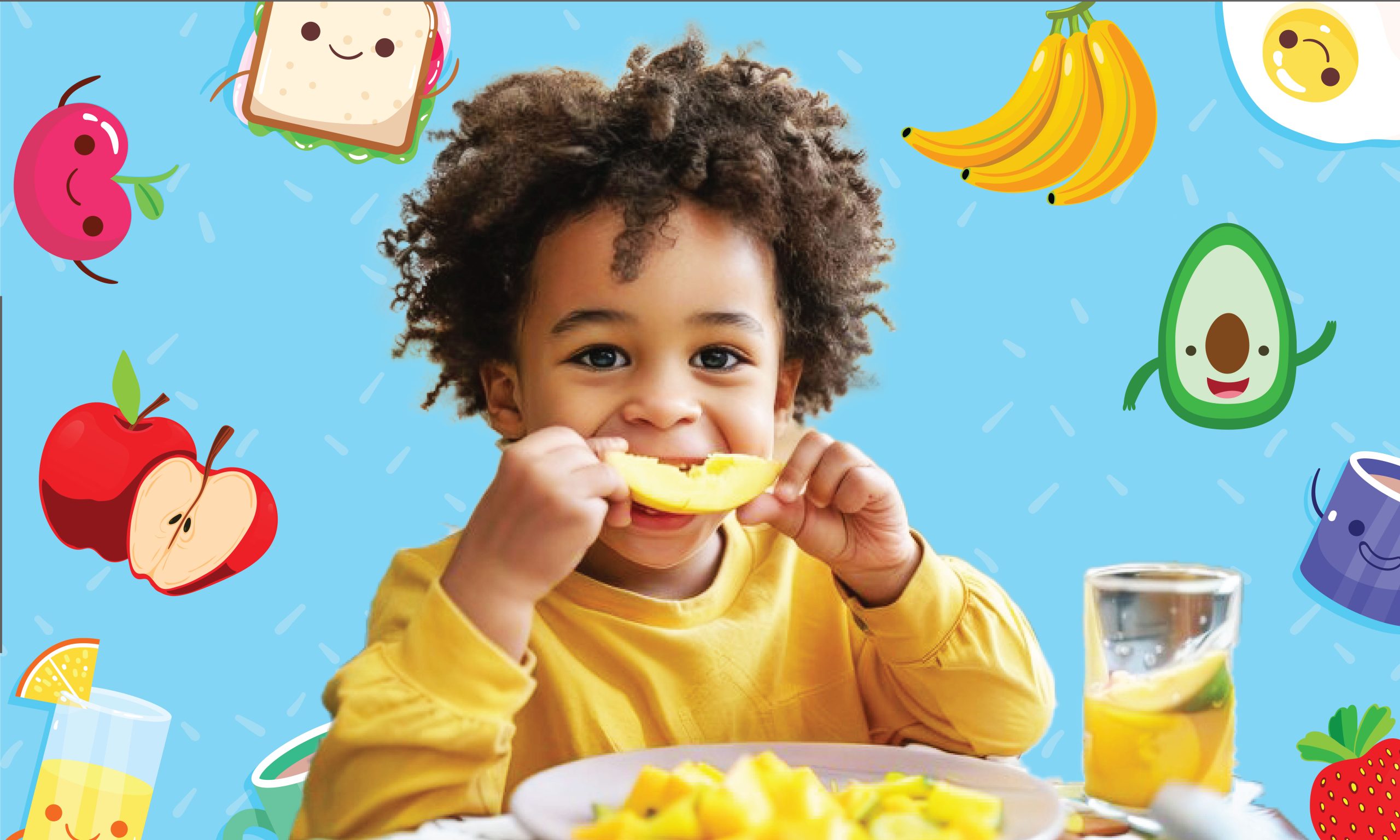
Experiencing foods in lots of fun and different ways can help little ones feel more comfortable trying them and, over time, learn to love them! This can be super handy for children who are a little fussy or sensitive to anything new. Sensory play helps babies learn about different textures, shapes, colours, sounds, tastes and smells in a calm, happy, and fun environment. Babies and toddlers who engage with food using all their senses, both in and outside mealtimes, are more willing to try those foods as they become familiar with them. Here are Claire’s top tips to engage your baby’s senses during mealtimes:- Time for texture: Let little hands explore different food textures as you prepare a meal, like the bumpy skin of an avocado and its silky smooth, creamy inside.
- No foodie faves! Avoid singling out disliked foods (like veggies) during meal time or sensory play as being special or “super healthy.” Treat all foods equally to avoid suspicion from your clever little one!
- Finger food fun: Encourage exploration with finger foods for babies by asking sensory questions like, “Is it squidgy, yummy, hard, or soft?”
- Offer a variety: Let your baby touch, squeeze, sniff, and play without pressure to eat—engagement counts, even if they don’t take a bite!
- Looks yummy: Show off colourful fruits and veggies, even if you’re serving purees, so your baby can explore different shapes and colours with their senses.
Food Safety Tips - What to Avoid During Weaning
As exciting as introducing new foods is, there are some that are best avoided for safety and nutritional reasons during your baby’s weaning journey:- Added Salt Tiny kidneys are just developing, so babies under 12 months of age shouldn’t eat more than one gram of salt a day. Avoid foods with added salt, watch out for processed foods not intended for babies such as stock cubes, pasta sauces, breakfast cereals, salted savoury snacks, or takeaways.
- Added Sugar Little ones are sweet enough! It’s fine to give babies fruit but it’s best to avoid foods with a lot of added sugar like biscuits, cakes, breakfast cereals, ice cream or soda. Lots of sugar isn’t kind to tiny teeth, so it’s important to try and give your baby a balance of vegetables and fruits and go for yoghurts without added sugar.
- Honey Honey is fine in small amounts, but wait until your baby turns 12 months before offering honey to avoid harmful bacteria that can upset their tummy.
- Some Eggs and Cheeses Raw and lightly cooked eggs may cause food poisoning, hence make sure eggs are cooked all the way through. The same goes for mould-ripened cheeses like brie, Roquefort, and unpasteurised cheeses.
- Rice Milk While it’s OK to give your baby cooked rice, it’s best to avoid giving rice milk, as it can contain a contaminant called arsenic. All little ones 6 months and over need to drink with their meals is breast milk or their usual formula and water.