
Did you know that humans possess two types of immune systems? the innate and the adaptive immune system. When harmful germs like bacteria or viruses enter our bodies through the respiratory or digestive systems, our innate immune system kicks into action. This first line of defence sends immune cells to tackle the invaders. These cells work by either engulfing the germs or producing enzymes to destroy them. Often thought of as our immune system's 'memory,' the adaptive immune system plays a crucial role in long-term defence. Once we encounter a specific germ, this part of the immune system remembers it. If the same germ tries to invade again in the future, our adaptive immune system can quickly recognize it and fight it off more efficiently.
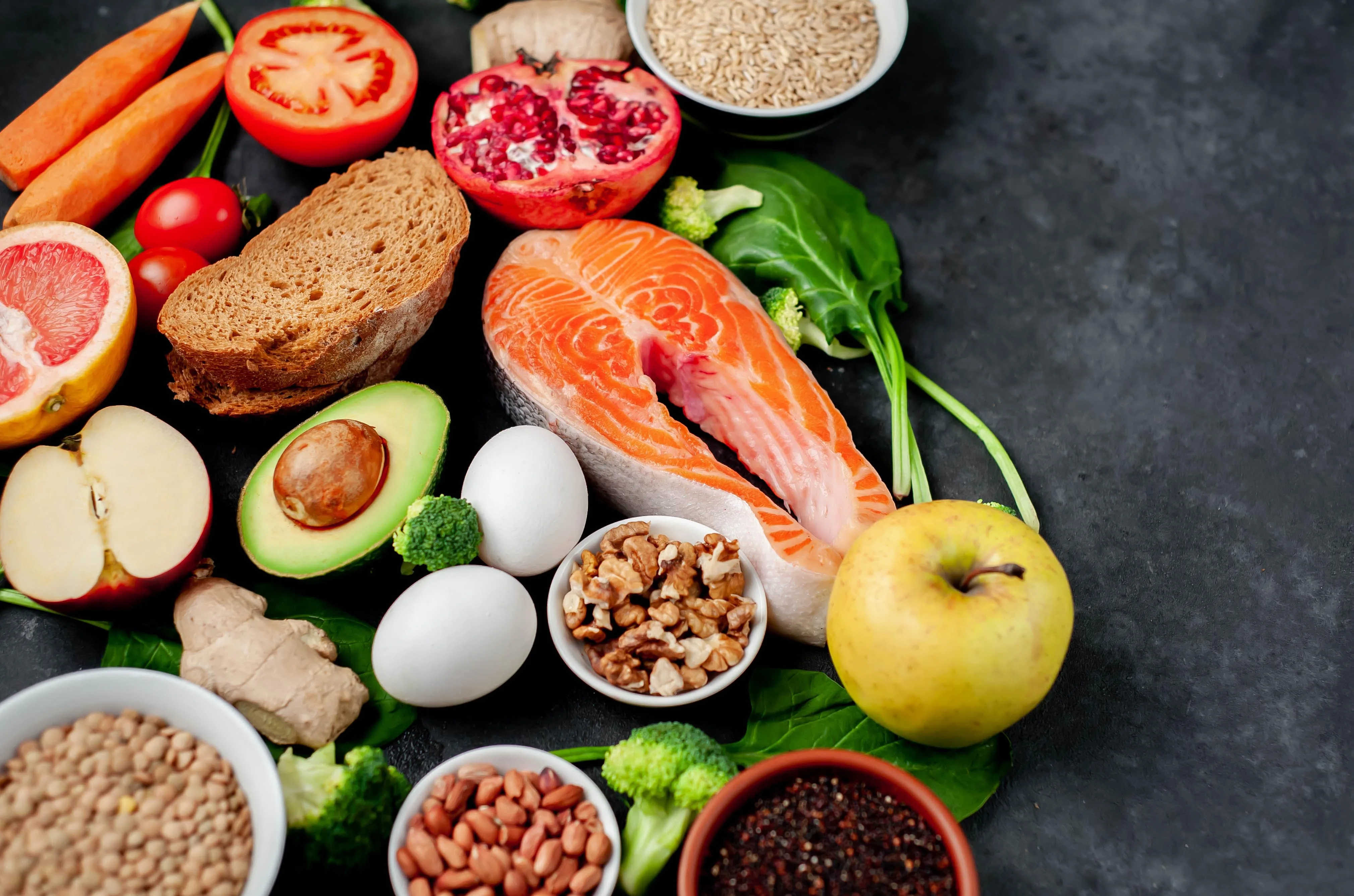
Key Nutrients for Immune Support Vitamin C is a powerful antioxidant that helps protect cells from damage caused by free radicals, including immune cells, ensuring they function properly. It also promotes the production and function of white blood cells, which are crucial in fighting infections. Citrus fruits like oranges and limes, as well as red bell peppers, are top sources of Vitamin C, followed by broccoli, strawberries, cabbage, and tomatoes. Remember, Vitamin C is easily destroyed by heat, so try to consume these foods raw or lightly cooked. Vitamin D plays a vital role in regulating the activity of many different types of immune cells. You can get your Vitamin D from fatty fish like salmon and mackerel, fortified dairy products, liver, and egg yolks. Zinc helps develop and support the cells involved in both the innate and adaptive immune systems. Good sources of zinc include meat, eggs, fish, shellfish, peanuts, pumpkin seeds, legumes, and fortified cereals. Selenium is an essential mineral that supports so called selenoproteins, which are key players in the body's antioxidant defence system. These proteins protect immune cells from damage and enhance their activity. Rich sources of selenium include meats, eggs, nuts, seeds (especially sunflower), seafood, and whole grains. Brazil nuts are particularly notable, as just one nut can satisfy your daily selenium requirements. However, moderation is key, as excessive selenium can lead to issues like brittle hair and nails, skin rashes, and neurological problems. Iron is crucial for the growth and maturation of immune cells in the adaptive immune system. It also helps immune cells create substances that destroy harmful germs. Balancing iron intake is essential; too little iron weakens the immune system, while too much can foster bacterial growth and potentially heighten infection risks. Foods rich in iron include dark green leafy vegetables like spinach and amaranth leaves, as well as groundnuts, beans, soy, seeds, organ meats, chicken, fish, and egg yolks. Many enriched or fortified foods are also excellent sources.Superfoods for a Super Season
Superfoods are like the Swiss Army knives of the pantry—compact, versatile, and incredibly useful. Here are some examples of these nutrient-dense foods that can be incorporated into your diet to fortify your immune system:- Garlic: Known for its compound allicin, garlic enhances the disease-fighting response of certain white blood cells when they encounter viruses. Incorporate garlic into soups, stews, and sauces to not only boost your immune system but also add a burst of flavour to your dishes.
- Ginger: With its powerful anti-inflammatory and antioxidant properties, ginger supports immune health and helps ward off illnesses. Enjoy ginger in a soothing Dawa, blend it into smoothies, or add it to stir-fries for a zesty kick.
- Turmeric: This spice contains curcumin, a compound that reduces inflammation and has antiviral properties. Turmeric's earthy flavour is perfect in curries, soups, and even as a seasoning for roasted veggies. Alternatively, whip up a comforting golden latte.
- Yoghurt is beneficial for gut health due to its probiotics that help maintaining a balance of beneficial bacteria. This dairy delight can enhance your immune systems, as a healthy gut microbiome is well-documented to work in tandem with the immune system to fend off pathogens and boost immune responses. When choosing yoghurt, watch out for added sugars and opt for varieties with live, active cultures, such as Greek yoghurt, to maximise health benefits.
- Regular exercise enhances circulation, allowing your immune cells to move through your body more effectively.
- Getting enough sleep each night is critical for your immune health, as your body produces cytokines—proteins that combat infections and inflammation—while you rest.
- Try stress-reducing practices such as yoga, meditation, or deep breathing in your daily routine to keep stress from sending your immune system on an unplanned vacation.
- Avoid habits that can weaken your immune system, such as smoking and excessive drinking.
- Simple preventive measures like frequent handwashing and thoroughly cooking meats can significantly reduce your risk of infections, keeping your immune system strong.