
Navigating perimenopause and menopause naturally involves understanding the phases, recognising symptoms, and adopting lifestyle changes and natural remedies to ease discomfort.
Understanding perimenopause and menopause
Perimenopause
Perimenopause is the transitional period before menopause, characterised by changes in your menstrual cycle, hormonal fluctuations, and various physical and emotional symptoms. It typically occurs in your 40s but can start earlier and, on average, lasts around four years, although it can be experienced for up to ten years.
Menopause
Menopause is confirmed when you have gone 12 consecutive months without a menstrual period. This phase marks the end of your reproductive years.
Common symptoms
- Hot flashes and night sweats: Sudden feelings of warmth, often followed by perspiration (more so in menopause vs perimenopause).
- Irregular periods: Variations in your cycle length, flow, and frequency.
- Mood changes: Irritability, depression, and anxiety.
- Sleep disturbances: Difficulty falling or staying asleep.
- Vaginal dryness: Discomfort during intercourse and reduced lubrication.
- Weight gain: Changes in metabolism may lead to weight gain, especially around your abdomen.
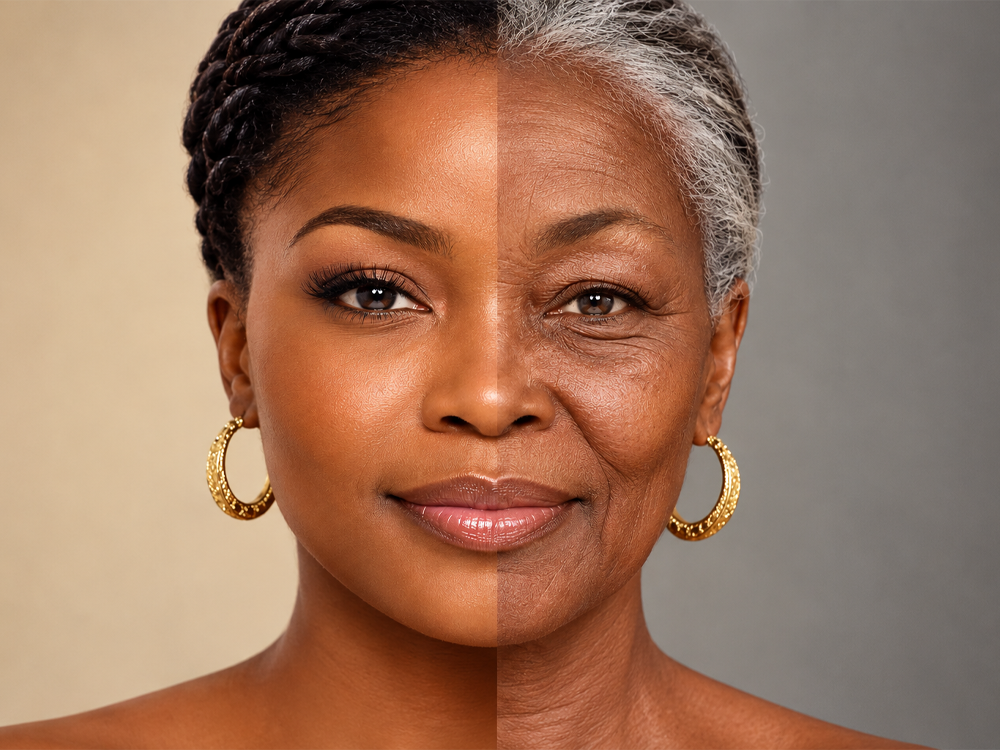
- Hair and skin changes: Thinning hair and dry skin.
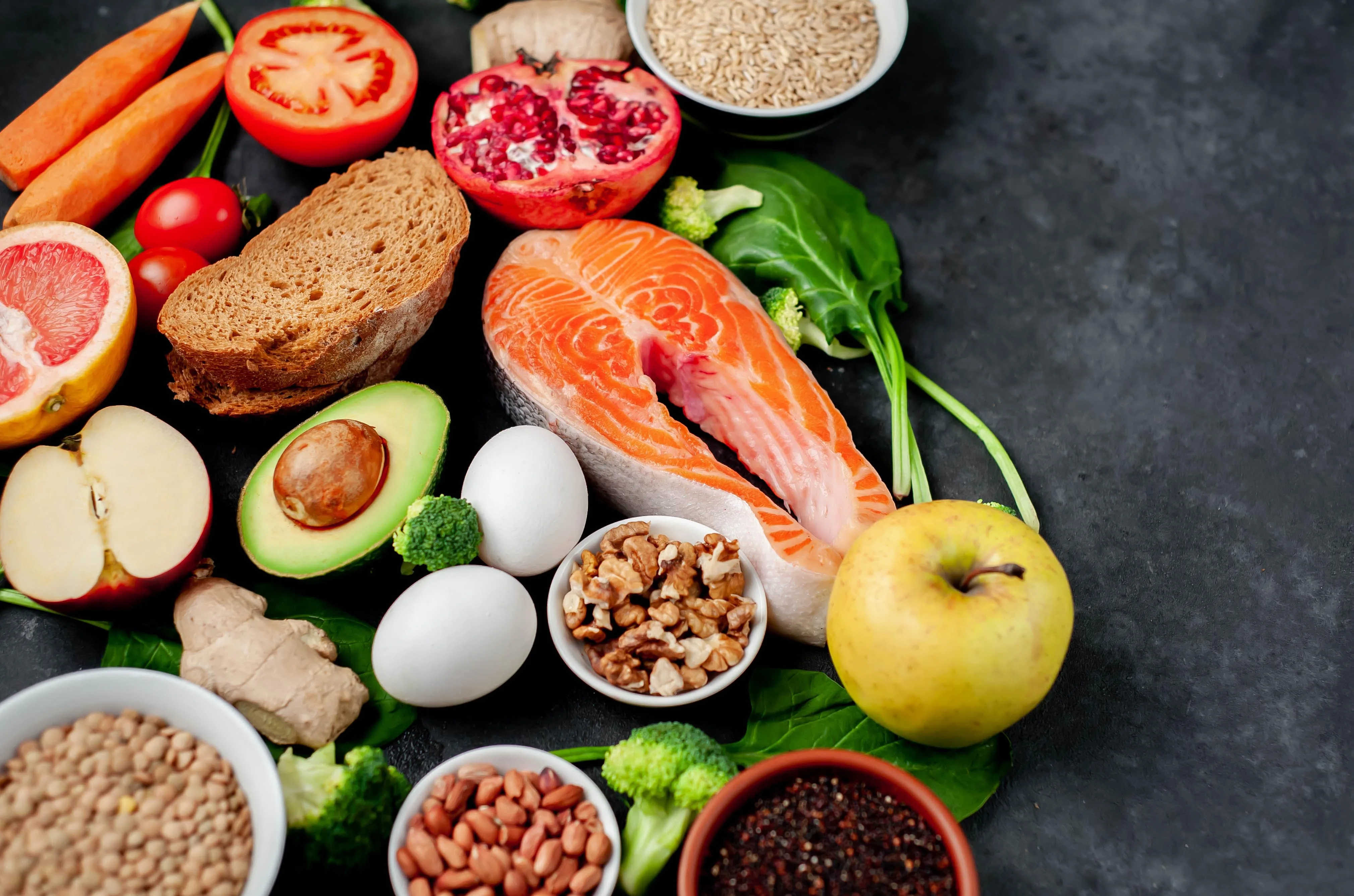
- Enjoy a balanced diet: Focus on fruits, vegetables, whole grains, and lean proteins. Wherever possible, cook from scratch, and strive to include as many plant-based foods as possible. A simple way to achieve this is by adding grated apple to your porridge and topping it with pumpkin seeds, flaxseed, ground cinnamon, or ginger.
- Pay attention to balancing your blood sugar levels: Consume three daily meals that include protein to help stabilise blood sugar levels. Dips in blood sugar can bring about hot flashes or sweats.
- Look for foods with phytoestrogens: Flaxseeds and organic soy (milk, tofu, miso, tempeh) contain compounds that may help balance hormones.
- Incorporate omega-3 essential fatty acids: Eat oily fish (salmon, anchovies, mackerel, sardines, herring, trout) regularly, or snack on walnuts, flaxseed and chia seeds. It’s important to note that while fish sources provide direct forms of DHA and EPA omega-3s, plant sources like flaxseed and chia seeds contain ALA omega-3, which your body must convert into DHA and EPA.
- Include calcium and vitamin D: For optimal bone health, it’s essential to include foods rich in calcium and vitamin D. Some excellent sources of these nutrients include organic dairy products, Greek yoghurt, sesame seeds, figs, tofu, and dark leafy green vegetables.
- Stay hydrated: Drink plenty of water to manage bloating and skin health.
- Limit caffeine, refined sugar and alcohol: These can exacerbate hot flashes and sweats and cause sleep disturbances and mood swings.
- Engage in regular physical activity: Commit to at least 15 minutes of aerobic exercise most days.
- Try strength training: Perform strength training exercises twice a week to maintain muscle mass and bone density.
- Practice yoga and pilates: Improve flexibility, reduce stress, and enhance mental wellbeing.
- Embrace meditation: Reduces stress and improves emotional balance.
- Practice deep breathing: Helps manage hot flashes and anxiety.
- Consider acupuncture: May provide relief from various symptoms.
- Maintain proper sleep hygiene: Create a consistent sleep schedule and a restful environment, limit screen time before bed, use relaxing pillow sprays and take magnesium to help reduce tiredness and fatigue.
- Manage stress levels: Incorporate activities like reading, gardening, or other fulfilling hobbies.
- Dress in layers: Manage hot flashes by wearing lightweight, breathable layers and natural fabrics such as cotton, linen and bamboo.
- Talk openly: Share your feelings and experiences with family and friends.
- Join support groups: Sharing your experiences with others in the same situation can provide emotional support and practical tips.
- Seek professional advice: Look for a healthcare provider that specialises in perimenopause and menopause, and can offer personalised guidance for you as an individual.
- Briskey D and Briskey D: Comparison of the effects of Wild Nutrition Food?Grown® vitamin D3 formulation with two conventional formulations on increasing plasma vitamin D levels in healthy participants: A 72?h, randomised, parallel, comparator study. Int J Funct Nutr 5: 3, 2024.
- The Perimenopause Study. (2022) wildnutrition.com. Wild Nutrition.
- Various (no date) Published Clinical Studies, KSM-66 Ashwagandha. Available here.
- The Perimenopause Study. (2022) wildnutrition.com. Wild Nutrition.