
As a parent, keeping your child healthy is always at the top of your mind. But did you know that much of your child’s immune strength is linked to their gut health?
Let’s explore why your child’s gut plays a crucial role in helping them to grow big, bounce back fast, and keep exploring the world with boundless energy!
The gut microbiome, your child's tiny helpers
Inside your child's tummy lives a whole world of tiny organisms called the “gut microbiome”. Think of it like a bustling little community filled with friendly bacteria, fungi, and other microorganisms. They work hard to help your child digest food and release important nutrients that support growth and well-being.
The microbiome starts developing when your child is still in the womb and continues to evolve throughout childhood. A balanced and diverse microbiome is a sign of good gut health, while an unbalanced one can lead to health problems.
Gut health as the shield for your kid’s defences
Did you know that 70-80% of your child's immune system is in their gut? The gut is like the control centre where the body’s defences gather information about potential invaders like harmful bacteria and viruses. The gut’s protective mucus layer acts like a barrier, keeping harmful microbes out while allowing the immune system to study and prepare for future threats. This “education” helps your child’s immune system respond more effectively to challenges throughout the body.
So, keeping this tiny community thriving is key to your child’s health and happiness!
Probiotics: the gut’s best friends
Probiotics are helpful bacteria that live in our gut and help to maintain a healthy gut environment. These friendly bacteria can be found in certain foods, especially fermented foods such as yoghurt, kefir, miso, tempeh, and kombucha. But there are also supplements with probiotics. While more research is needed, early encouraging studies show that probiotics were more efficient than placebos in reducing episodes of acute upper respiratory tract infections (common colds and runny noses) and reduced antibiotic prescription rates for the same. Probiotics have also shown potential for easing tummy troubles like diarrhoea, gastroenteritis and infantile colic (when babies cry a lot due to discomfort), and constipation.
How to improve your child’s gut health with probiotics
But let’s be honest—most kids aren’t exactly lining up for a plate of fermented goodies. Even when they eat these foods, it’s tough to know how much of the good bacteria actually survived during the processing. That’s why probiotic supplements are a popular option for parents who want to ensure their child’s gut is getting more friendly bacteria.
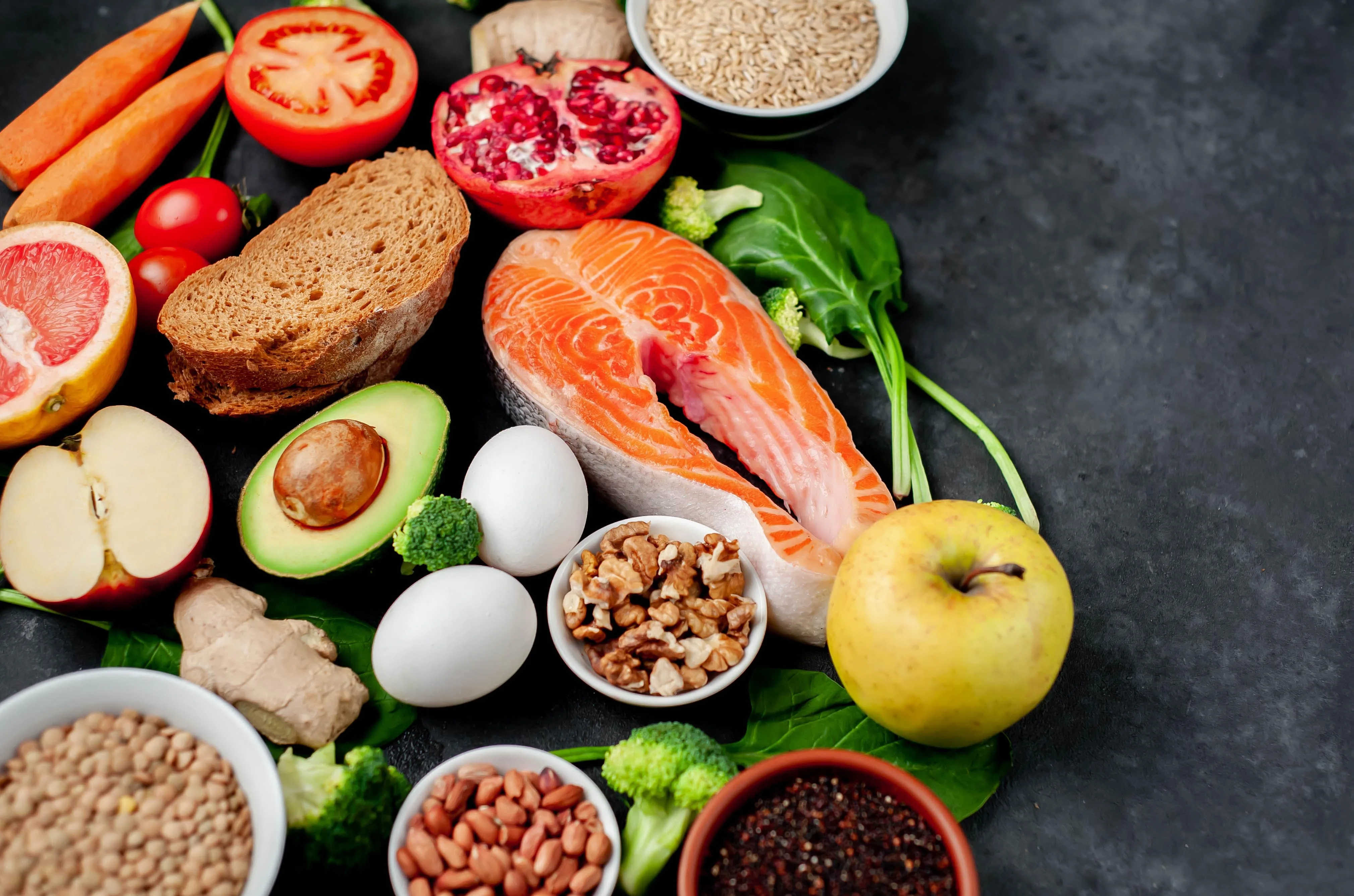
Another way to support your child’s gut health is by feeding the friendly bacteria what they love: fibre (prebiotics)! Gut bacteria subsist on complex carbohydrates and fibres that our own intestinal cells are unable to digest. Those fibrous sources are plant foods, from carrots, leeks and beans to pineapples, bananas and sukuma.
Choosing a probiotic supplement for your child
When selecting a probiotic for your child, it's important to find one that meets their specific needs. Also, not all probiotic brands are created equal. Therefore, it is crucial to select a well-researched probiotic range to ensure quality and effectiveness.
Here are some tips to help you choose:
- Probiotics come in many forms, such as gummies, powders, chewable tablets. Pick the form that’s easiest for your child to take.
- Probiotics contain something called CFUs (colony-forming units). For kids, a range of 10 million to 10 billion CFUs is generally considered safe. However, it’s best to consult your paediatrician for advice.
- Different strains of probiotics are suited to different health concerns. If your little one is dealing with something specific, like an upset tummy, it’s best to choose a probiotic that includes strains targeted for that issue (with guidance from a nutritionist to ensure it’s the right choice). Always be sure to pick a brand that clearly lists all strains on the label.
- If your child has allergies or dietary restrictions, make sure to choose a supplement that’s suitable for their needs.