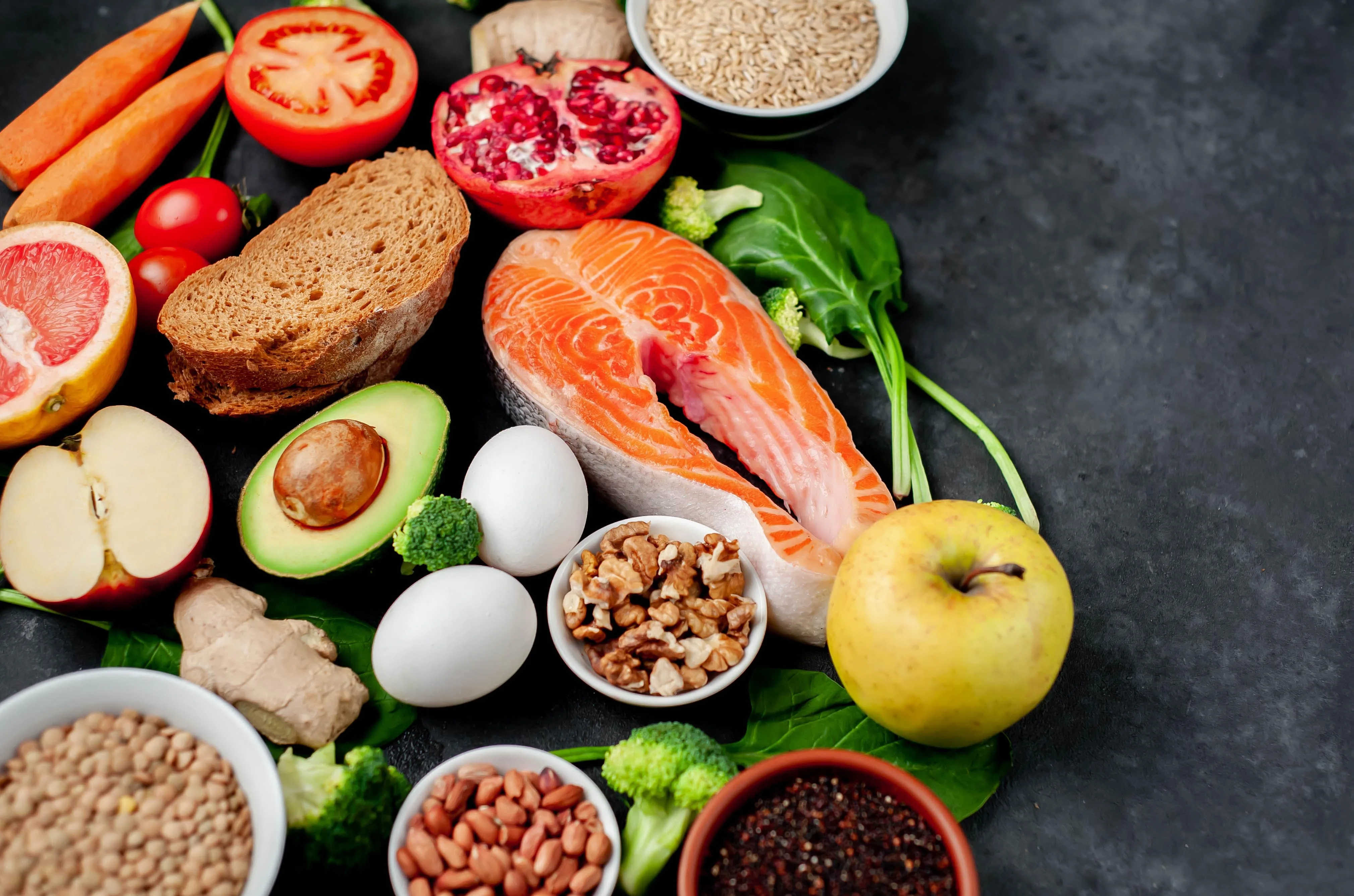

Food is more than fuel. It’s part of family traditions, moments of comfort, and the way we connect with others. Because of this, how we think and feel about food has a big impact on our wellbeing. A healthy relationship with food isn’t about chasing the “perfect” diet or reaching a number on the scale. In practice, a healthy relation with food means eating in a way that feels nourishing and enjoyable, without guilt or shame attached. It’s being able to enjoy a wide variety of foods, from everyday staples to occasional treats, without labelling them as “good” or “bad.” It’s listening to your body’s hunger and fullness cues rather than following rigid rules, and seeing food as something to be savoured, not feared.
By contrast, an unhealthy relationship with food can feel heavy and limiting. It might mean sticking to strict rules, always restricting, or feeling “out of control” when eating. Sometimes food becomes a way to cope with stress, sadness, or boredom. These patterns are common, but they can take the joy out of eating.
There are also plenty of reasons why balance is hard. Diet culture pushes unrealistic standards and rules. Stress and loneliness make us reach for food when we’re not physically hungry. Busy routines make convenience the easy choice. And social media often shows an impossible picture of what “healthy eating” looks like. Recognising these challenges is the first step — and the hopeful part is that there are gentle ways to reshape your relationship with food.
The following steps are inspired by the principles of Intuitive Eating*, an evidence-based framework that encourages self-care and a kinder, more trusting relationship with food.
Step 1: Respect your hunger
One of the most powerful ways to rebuild trust with your body is to stop ignoring its hunger signals. Hunger isn’t just a rumbling stomach — it can also show up as irritability, brain fog, a dip in energy, or a headache. When you push past these cues, your body fights back, driving you to eat quickly or to the point of discomfort. Respecting hunger is about honouring those early whispers instead of waiting until they become shouts. That might mean carrying snacks, taking a pause to eat on a stressful day, or simply admitting: “I need fuel right now.”
Step 2: Honour your fullness
Fullness doesn’t have to mean feeling stuffed — it’s about noticing when you feel comfortable and satisfied. Pausing during a meal to ask if the food still tastes good, or whether you’d be happy to stop now, helps catch those signals before they’re drowned out. And here’s something many people don’t realise: fullness is harder to find if you restrict too much, or keep too little food in the house. Your body can’t relax if it feels food is scarce. Trusting that there will always be another meal allows you to stop at “enough” instead of pushing past your own signals.
Step 3: Be kind to your emotions
Restricting food — through strict rules or harsh self-talk — often backfires, leaving us more vulnerable to emotional eating. In the moment, food can soothe or distract, but it doesn’t solve what’s really going on. The first step is to pause and ask yourself: “Am I biologically hungry, or am I needing something else right now?”
Feelings like anxiety, loneliness, boredom, or anger are part of being human. Even if food is sometimes used for comfort, it doesn’t make you a failure — it simply shows you were trying to cope. What matters is broadening your coping toolbox. That might mean resting, journaling, reaching out to someone you trust, or simply letting yourself feel the emotion.
Step 4: Move in ways that feel good
Movement isn’t a punishment or just a way to burn calories — it’s about how it makes you feel. Even small choices, like taking the stairs or going for a short walk, can lift your energy and clear your head. Notice the difference between how your body feels after moving and after staying still; often it’s the little bursts of activity that matter most. Exercise doesn’t have to be intense or perfect to count. Find something you enjoy — walking with a friend, dancing, or stretching — and let it be self-care, not self-criticism. Rest is part of the process too, giving your body time to recharge.
Step 5: Reframe your language around food
The words we use around food shape how we feel about eating. Harsh or rule-like language fuels guilt and makes us believe we’ve “failed.” Shifting to gentler words helps create a language that supports — rather than punishes — your relationship with food. For example:
Instead of: “I was bad for having dessert.”
Try: “I enjoyed dessert — and balance comes from patterns, not one choice.”
Instead of: “I need to burn this off.”
Try: “Moving my body helps me feel energised.”
Swap “good/bad foods” ? foods I eat more often / less often.
Swap “cheat meal” ? treat or social meal.
These shifts aren’t about “positive thinking” for its own sake — they’re about loosening the grip of diet culture and creating a language that supports, rather than punishes, your relationship with food.
When to seek extra support
If food feels overwhelming, all-consuming, or tied up with guilt and stress, you don’t have to work through it alone. Talking with a nutrition professional, counsellor, or trusted friend can make the journey easier. And if this way of thinking about food resonates with you, there are excellent resources on intuitive eating* that dive deeper into these principles. Exploring them can give you more tools and reassurance as you continue building a kinder, healthier relationship with food.
* Intuitive Eating, created by dietitians Evelyn Tribole and Elyse Resch in 1995, is a weight-inclusive, evidence-based framework with a validated assessment scale and over 100 published studies.
For more information: https://www.intuitiveeating.org/
Food is more than fuel. It’s part of family traditions, moments of comfort, and the way we connect with others. Because of this, how we think and feel about food has a big impact on our wellbeing. A healthy relationship with food isn’t about chasing th...