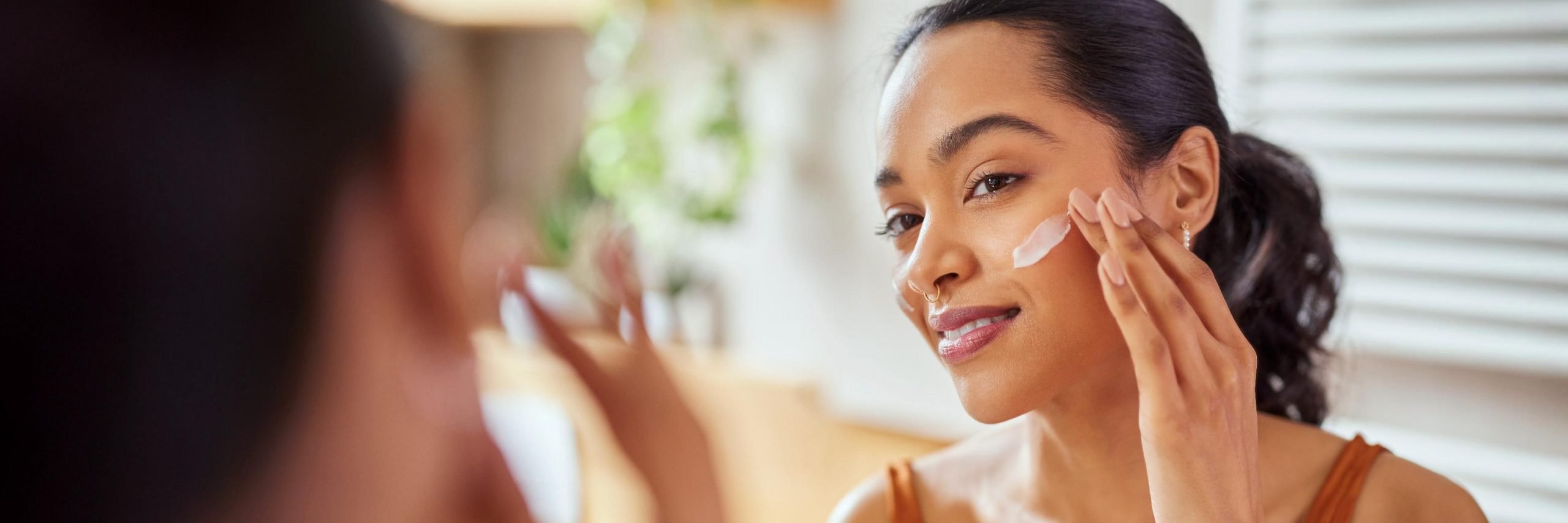

In today’s world, where wellness and sustainability are more important than ever, clean beauty has emerged as a leading movement in the beauty industry. But what exactly is clean beauty? And why should it matter to you?
What is Clean Beauty?
Clean beauty refers to beauty products that are formulated without harmful chemicals, toxins, or ingredients that could pose risks to your health or the environment. The focus is on using non-toxic, natural, and organic ingredients that are safe for both your skin and the planet. Essentially, clean beauty is about making informed choices and choosing products that prioritise your well-being. When a product is labeled as "clean," it often means that it is free from parabens, sulfates, phthalates, synthetic fragrances, colours, preservatives and other potentially harmful additives.
Why Choose Clean Beauty?
- Better for Your Skin Clean beauty products, use high-quality ingredients that nourish and support your skin's health.
- No Harsh Chemicals Clean beauty products prioritize safe, non-toxic ingredients, which means fewer chemicals and fewer potential risks for your skin and overall health.
- Environmentally Friendly The clean beauty movement isn't just about what’s inside the bottle — it’s also about the packaging. Many clean beauty brands opt for eco-friendly packaging, such as glass containers, recycled plastic, or even biodegradable materials.
- Cruelty-Free and Ethical Most clean beauty brands advocate for cruelty-free practices. They ensure that their products aren’t tested on animals, supporting a more ethical approach to beauty. Additionally, many clean beauty brands are committed to fair labor practices and sustainability, meaning they care about the entire life cycle of their products, from ingredient sourcing to manufacturing.
- Naturally occurring/Plant based ingredients: Good moisturisers should contain natural humectants/emollients that are naturally occuring or plant based such as glycerin, aloe, honey, hyaluronic acid, shea and oils such that they hydrate, soothe and maintain the skin barrier
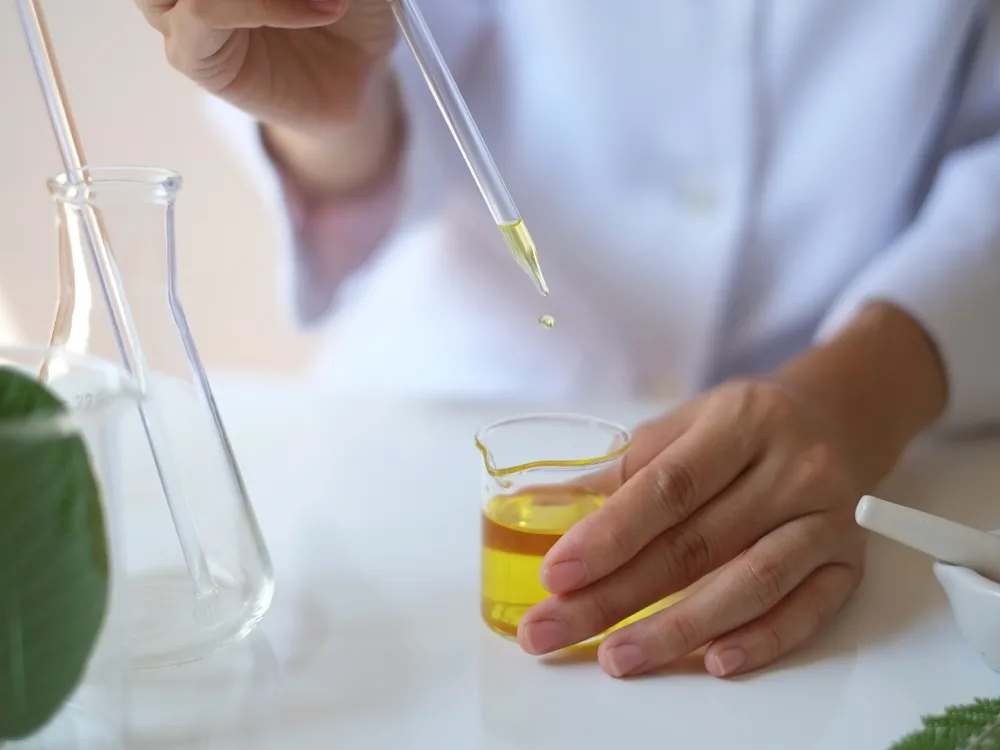
- Natural oils: Oils are naturally full of vast benefits to skin, hydrating, anti-aging, ant-inflammatory, acne treating and skin brightening. These include rosehip, Jojoba, carrot, sweet almond, grape seed, baobab, castor, argan, and tea tree.
- Vitamins: Vitamin A, C, D, E and K are among the best vitamins for skin. They have vast advantages to skin and can be used for treatment of skin issues like eczema, psoriasis, acne, anti-aging, anti inflammatory and skin brightening
- Vitamin C-helps synthesis collagen, evens skin tone, protects skin from UV and environmental damage.
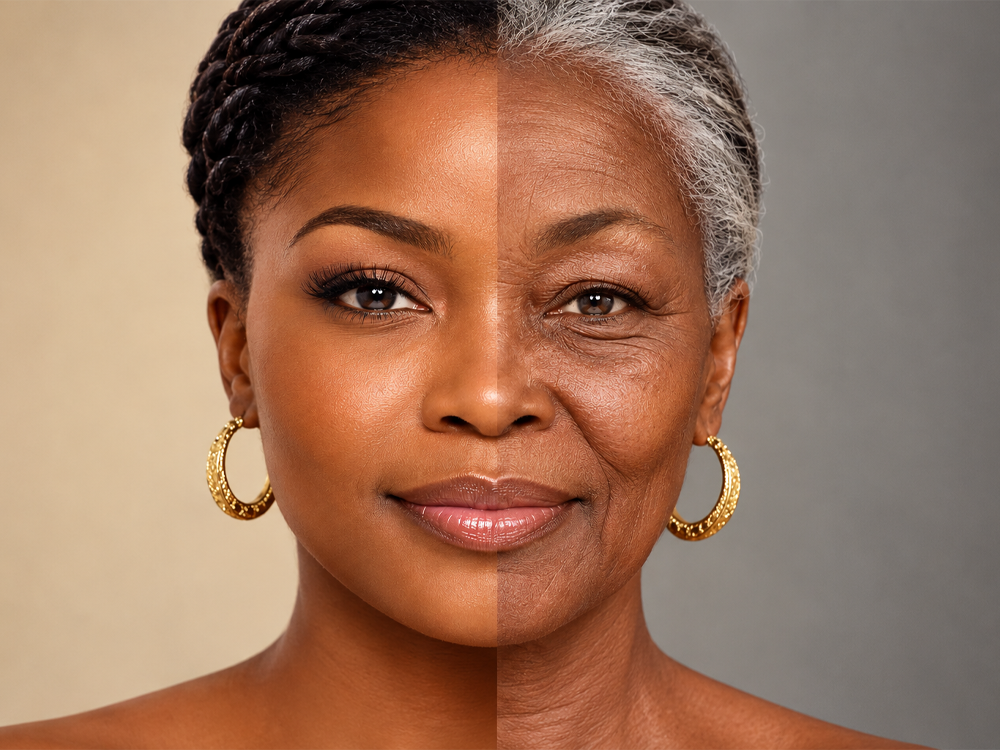
- Vitamin A-Helps with anti - aging by promoting cell turn over, Treats psoriasis and also helps minimize skin pigmentation.
- Vitamin E- Strenghtens our skin barrier, helps protect your skin against environmental pollution and UV damage.
- Vitamin K-Helps appearance of dark circles, healing of wound and scars, improves skin elasticity minimize appearance of vein(spider webs) and broken capillaries.
- Vitamin D-Helps protect psoriasis and eczema skin conditions also an anti- inflammatory.
- Antioxidants: Antioxidants have major benefits to the skin like protecting skin from photo aging, soothe inflammation, reduce signs if aging brighten and even out skin tone., common ones are, Vitamin C, Vitamin E, Retinol (Vitamin A), Niacinamide, Resveratrol, green tea, ferulic acid and Co- enzyme Q10
- Parabens: Preservatives linked to hormonal disruptions.
- Sulfates: Stripping agents that can irritate skin and dry out hair.
- Phthalates: Plasticizers that may contribute to health risks, including hormone disruption.
- Synthetic Fragrances: Can cause allergic reactions and skin sensitivities.
- Formaldehyde: A known carcinogen and preservative found in some products.
- Mineral oils/paraffinum liquidum.
- Start with the basics: Swap out a few everyday essentials like your moisturiser, cleanser, or shampoo with clean alternatives. These are products that you use daily, so making the change will have the most impact.
- Do your research: Look for brands that have transparent ingredient lists and certifications (such as cruelty-free or organic). This will give you confidence that the products you choose meet clean beauty standards.
- Gradually phase out old products: You don’t have to replace everything all at once. As you run out of products, consider replacing them with clean beauty options.
- Pay attention to your skin’s response: Every skin type is different. When you make the switch, observe how your skin reacts to ensure you’re getting the benefits of the clean beauty ingredients you’re using.