
GLP-1 medications such as Ozempic, Wegovy, and Mounjaro help manage blood sugar, appetite, and weight. They work by promoting fullness and slowing digestion — but nutrition and hydration still play a big part in how well you feel while using them, and how effectively these treatments work.
Good nutrition can make the experience smoother, supporting muscle strength, digestion, and steady energy levels. To make this easier, clinicians from JAMA Internal Medicine [1] developed the MEAL framework (below) — focusing on Muscle maintenance, Energy balance, Avoiding side effects, and Liquid intake.
 Below, we unpack each pillar of the framework — inspired by JAMA Internal Medicine [1] and complemented by recent dietary guidance from the American Journal of Clinical Nutrition (2025) [2] — to show how a few simple choices can support your GLP-1 journey.
M = Muscle Maintenance (Protein & Collagen)
Because GLP-1 medicines often reduce appetite, it can be easy to eat too little protein. Over time, that may mean losing not only fat, but valuable lean muscle. Protecting your muscles helps you stay strong, keeps your metabolism steady, and supports long-term health. Regular resistance training — ideally at least three times a week — combined with adequate protein intake is the most effective way to maintain lean muscle and metabolic health while using GLP-1 medication.
Below, we unpack each pillar of the framework — inspired by JAMA Internal Medicine [1] and complemented by recent dietary guidance from the American Journal of Clinical Nutrition (2025) [2] — to show how a few simple choices can support your GLP-1 journey.
M = Muscle Maintenance (Protein & Collagen)
Because GLP-1 medicines often reduce appetite, it can be easy to eat too little protein. Over time, that may mean losing not only fat, but valuable lean muscle. Protecting your muscles helps you stay strong, keeps your metabolism steady, and supports long-term health. Regular resistance training — ideally at least three times a week — combined with adequate protein intake is the most effective way to maintain lean muscle and metabolic health while using GLP-1 medication.
 Below, we unpack each pillar of the framework — inspired by JAMA Internal Medicine [1] and complemented by recent dietary guidance from the American Journal of Clinical Nutrition (2025) [2] — to show how a few simple choices can support your GLP-1 journey.
M = Muscle Maintenance (Protein & Collagen)
Because GLP-1 medicines often reduce appetite, it can be easy to eat too little protein. Over time, that may mean losing not only fat, but valuable lean muscle. Protecting your muscles helps you stay strong, keeps your metabolism steady, and supports long-term health. Regular resistance training — ideally at least three times a week — combined with adequate protein intake is the most effective way to maintain lean muscle and metabolic health while using GLP-1 medication.
Below, we unpack each pillar of the framework — inspired by JAMA Internal Medicine [1] and complemented by recent dietary guidance from the American Journal of Clinical Nutrition (2025) [2] — to show how a few simple choices can support your GLP-1 journey.
M = Muscle Maintenance (Protein & Collagen)
Because GLP-1 medicines often reduce appetite, it can be easy to eat too little protein. Over time, that may mean losing not only fat, but valuable lean muscle. Protecting your muscles helps you stay strong, keeps your metabolism steady, and supports long-term health. Regular resistance training — ideally at least three times a week — combined with adequate protein intake is the most effective way to maintain lean muscle and metabolic health while using GLP-1 medication.
- Protein needs during active weight loss typically range between 1.2 and 1.6 grams per kilogram of body weight per day, a level shown to support muscle preservation.
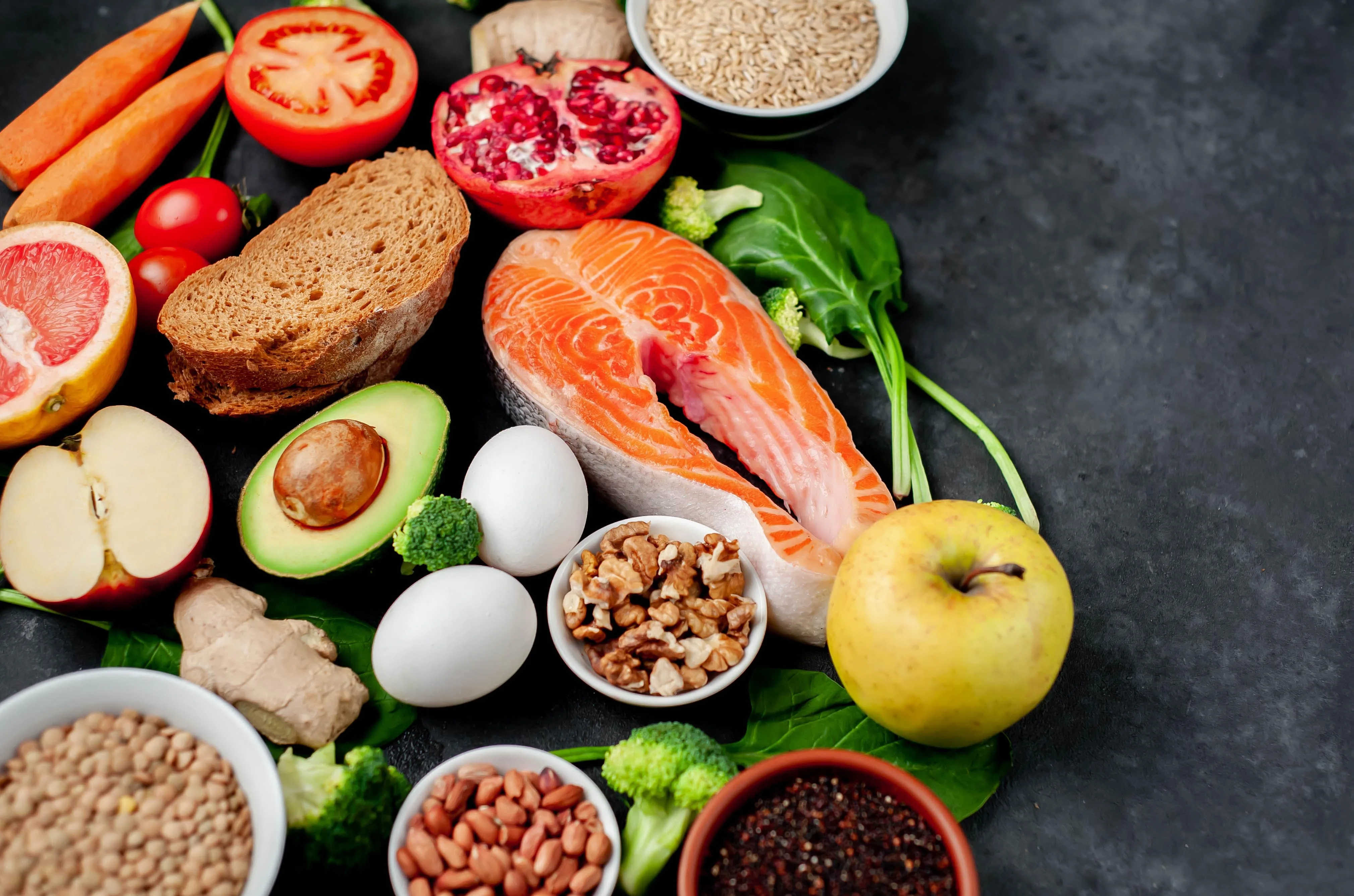
- Start each meal with protein. Choose foods like beans, nuts, lentils, dairy, fish, or eggs while red and processed meats should be limited.
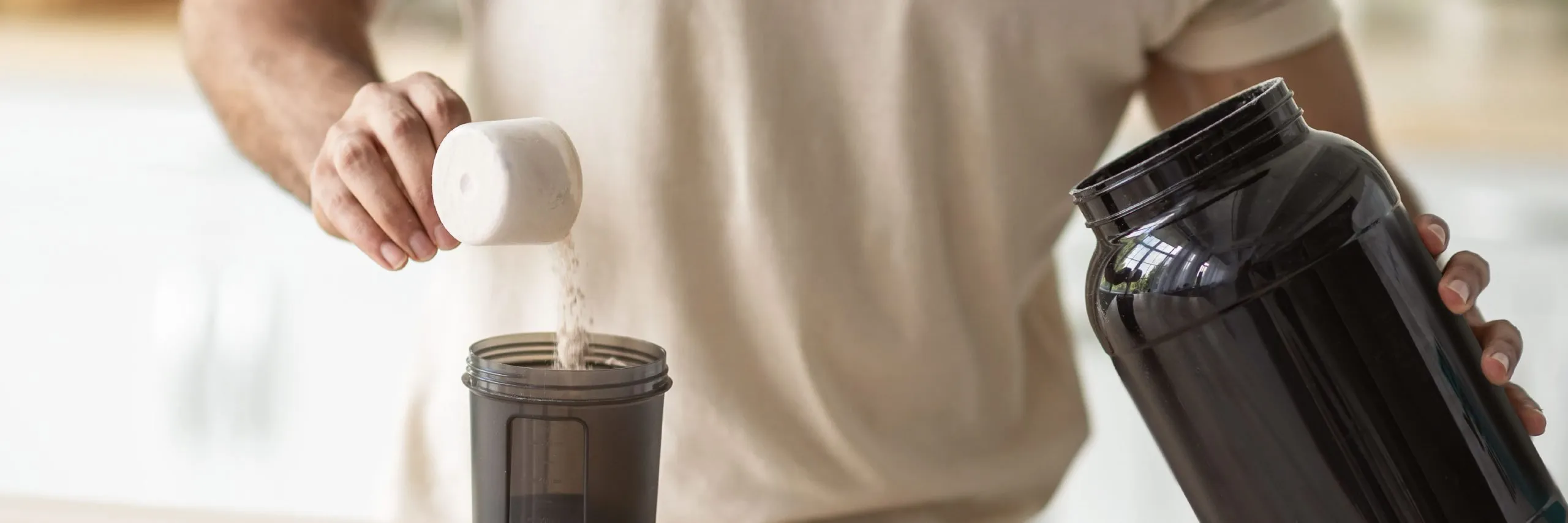
- If appetite is low, lean on convenient sources. High-protein shakes, bars, or fortified foods can make it easier to meet your daily targets.
- Collagen peptides blend easily into smoothies or coffee and complement your main protein source supporting joints, skin, and connective tissue.
- Choose slow-digesting carbohydrates. Oats, quinoa, and brown rice release energy gradually, helping to avoid blood sugar dips that can leave you tired or dizzy.
- Add healthy fats for fullness. Olive oil, avocado, nuts, and seeds make meals satisfying and support nutrient absorption — a small drizzle or handful goes a long way.
- Eat smaller, balanced meals more often. Three modest meals plus one or two nutrient-dense snacks can sustain energy without overwhelming your digestion.
- Eat smaller, slower meals. Pause between bites and stop when you feel comfortably full. This helps reduce nausea and keeps digestion gentle.
- Limit heavy, high fat or spicy foods. Fried foods, creamy sauces, and strong spices can worsen nausea or heartburn. If you’re prone to heartburn, stay upright after meals to help digestion.
- Add fibre gradually. A mix of soluble fibre (found in oats, chia, and apples) and insoluble fibre (from vegetables, whole grains, and nuts) helps relieve constipation. Increase fibre slowly and pair it with plenty of fluids. If dietary changes are not enough, fibre supplements or magnesium-based products can be used for gentle GI support.
- For nausea, try ginger tea. Its natural compounds can soothe the stomach and make meals feel easier to tolerate.
- Aim for 2–3 litres of fluid daily. Fluids can come from many sources — water, soups, herbal teas, or water-rich foods like cucumber, watermelon, and oranges all contribute to your daily hydration.
- Include electrolytes when needed. Electrolyte drinks can be useful during periods of poor appetite or fluid loss to help replace lost minerals and support hydration.
- Go easy on caffeine and alcohol. Both can have a dehydrating effect and may worsen nausea or reflux for some people.
References
- JAMA Internal Medicine (2024). “Patient Page: What to Eat While Taking GLP-1 Medications.”
- The American Journal of Clinical Nutrition (2025). “Dietary guidance for individuals using GLP-1 receptor agonists.”