
Everyone envisions having a long, healthy and quality life.
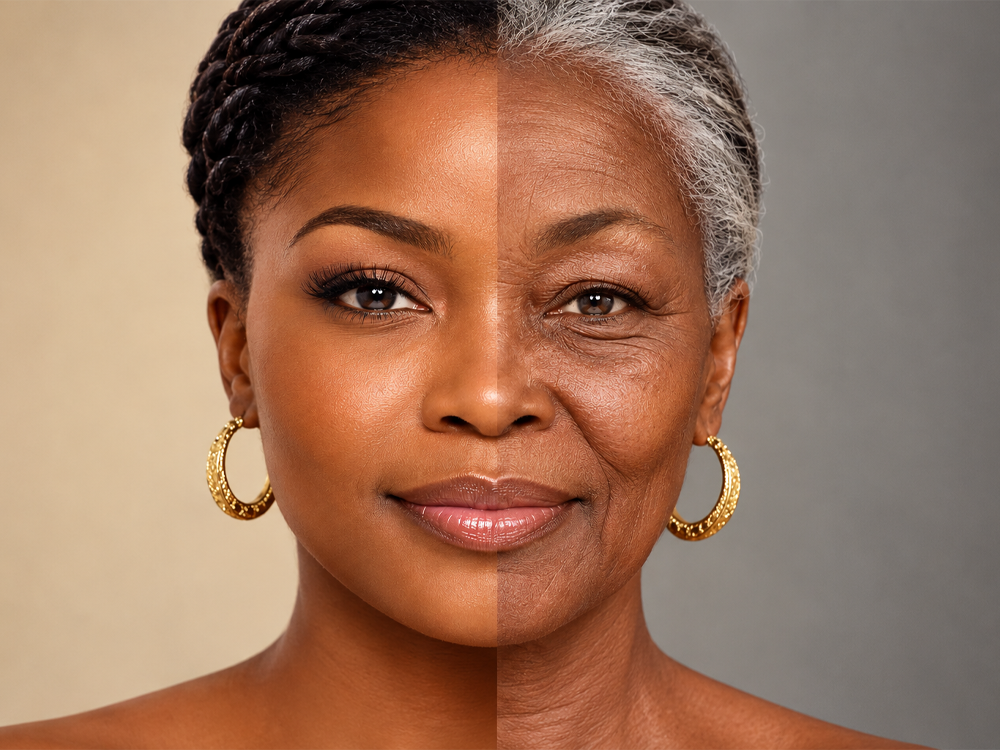
A long life is a gift and aging is the inevitable process that comes with. Graceful aging is about being healthy physically, emotionally and having commitment to self-care. The skin is one main organ that can outwardly display a healthy or an aging skin since it's the largest organ of the body.
The skin is made up of three layers; dermis, epidermis and subcutaneous layers. There are physiological changes that come with aging. The skin, especially the epidermis, loses fat, strength & elasticity and no longer looks plump and smooth. This combined with too much exposure to the sun causes fine lines and wrinkles, dryness, age spots and even cancer.
The primary cause of skin aging is the dysfunction in keratinocytes, decreased regenerative ability of stem cells in the basal layer of the epidermis leading to a decline in skin renewal and repair ability.
The second one is oxidative stress. This plays an important role in skin aging and skin damage processes since it increases intracellular Reactive Oxygen Species (ROS). This can overwhelm the cellular antioxidant defence system and thus lead to oxidative damage of nucleic acids, proteins and fats.
Diet and sugar have a high correlation with influencing skin aging. High sugar consumption can lead to formation of advanced glycation end products (AGE’s) which cause functional and structural damage resulting in accelerated aging. Sugar damages collagen and elastin proteins of the skin contributing to wrinkles, dryness and signs of aging.
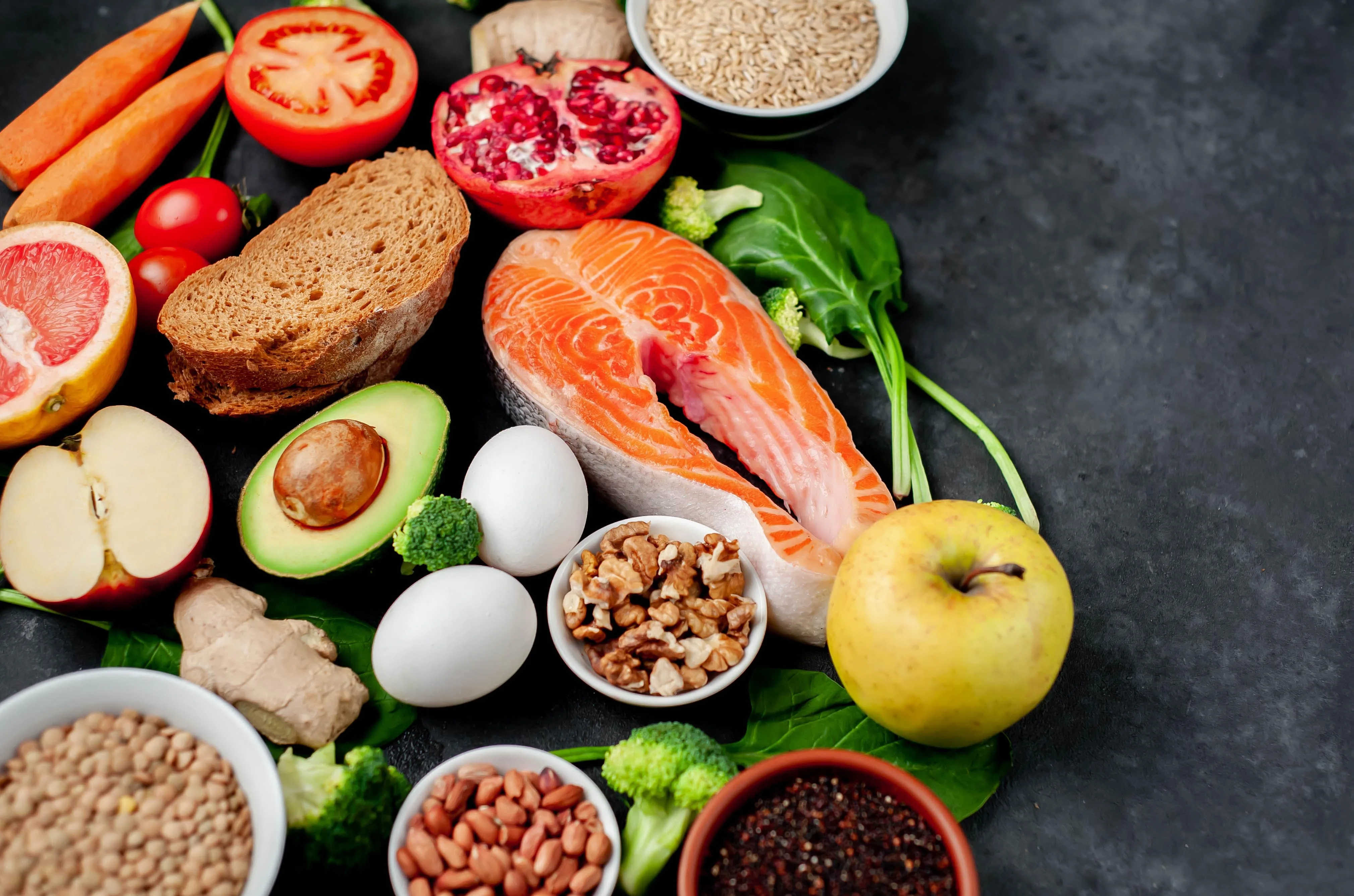
The following nutrients can help to reduce the process of aging;
- Water– It’s essential in hydrating the skin as well as maintaining skin internal balance and tissue function.
- Collagen– It helps with the repair of skin tissues, promoting skin elasticity, firming and strengthening the skin thus reducing visible signs of wrinkles and increases blood flow to the skin.
- VitaminA - It prevents skin aging by increasing the production of collagen.
- B Vitamins- They help with reducing skin stress levels and inflammation. Also helps with regulating skin pigmentation.
- Vitamin C– It’s involved in skin collagen synthesis and elimination of intracellular reactive oxygen species.
- Vitamin D– It reduces skin DNA damage, inflammation and carcinogenesis.
- Vitamin E– It prevents skin aging by inhibiting skin peroxidation.
- Zinc & Copper– Thye play a key role in the proliferation and differentiation of epidermal keratinocytes.
- Selenium- It’s essential for the development and function of skin keratinocytes and increasing antioxidant enzyme activity.
- Iron- It is also related to the activity of antioxidant enzyme in skin cells.