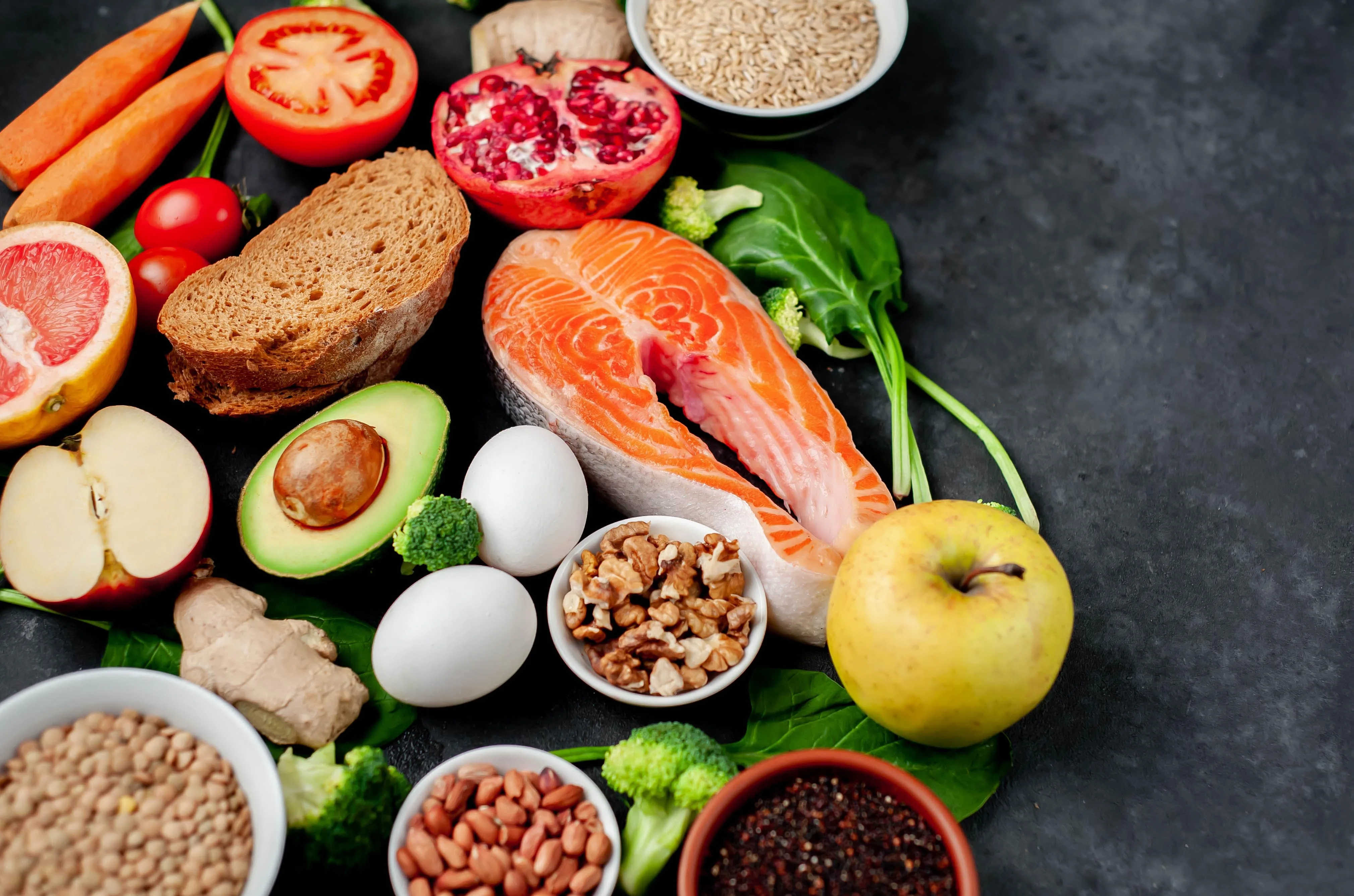

In recent years, the buzz around plant-based eating has grown louder, resonating with individuals seeking to nourish their bodies while treading lightly on the planet. From celebrities to athletes to entire companies, including Google, and governments of countries as big as China, the embrace of plant-based diets reflects a global shift towards healthier, more sustainable lifestyles.
What exactly is plant-based eating? It's not just a diet; it's a celebration of nature's bounty. Picture a table adorned with a kaleidoscope of colors—vibrant greens, luscious fruits, and hearty grains—all celebrating the essence of life. Plant-based eating emphasizes foods derived from plants while allowing flexibility in dietary choices. Unlike strict veganism, which excludes all animal products, plant-based eating invites you to savor the diversity of plant foods as the foundation of your meals, with occasional incorporation of animal products if suitable and desired.
There are numerous misconceptions about plant-based diets. Start your journey with an open mind and forget all the negative annotations you have heard about plant-based diets (e.g., it being too complicated, expensive, or not tasty). Consider switching to a plant-based lifestyle as ‘adding’, not taking away. This shift is an opportunity to explore new flavors, trying innovative recipes, and nourishing your body with wholesome plant-based foods. Navigating social gatherings or dining out might seem challenging due to limited plant-based options. However, these situations can become opportunities to advocate for plant-based choices and inspire others with the joys of plant based cuisine.
Nature's Prescription for Health
Research underscores the role of plant-based diets in reducing the risk of chronic diseases, enhancing digestion, and supporting sustainable weight management.
- Numerous studies support the protective effects of plant-based diets against chronic diseases. Diets rich in whole grains, fruits, vegetables, legumes, and nuts are associated with a lower risk of cardiovascular conditions. The abundance of fiber in plant-based foods helps to lower "bad" cholesterol levels, reducing the risk of heart disease. Additionally, the antioxidants present in plant foods combat free radicals, contributing to overall health and disease prevention.
- Fiber-rich plant foods promote healthy digestion by supporting gut health and regular bowel movements. Furthermore, the high fiber content of plant-based diets contributes to feelings of fullness and satiety, aiding in weight management and potentially reducing the risk of obesity-related conditions.
- The World Cancer Research Fund International recommends incorporating whole grains, vegetables, fruits, and legumes into daily diets while limiting the consumption of red and processed meats. The fiber in plant-based foods binds carcinogens and supports gut health, reducing the risk of colorectal cancer. Additionally, the antioxidants found in fruits and vegetables help protect cells from damage that can lead to cancer.
- Plant-based diets are naturally low in refined sugars and high in complex carbohydrates and fiber, which help regulate blood sugar levels. This makes plant-based eating particularly beneficial for individuals with diabetes or those at risk of developing the condition.