
As more consumers take a closer look at what’s in their glass, a new trend is taking shape. In 2025, there’s growing interest in raw, grass-fed dairy — a return to milk from cows that graze on pasture, producing a more natural and nutrient-rich product. This rise reflects a shift towards foods that are less processed and closer to nature, even as plant-based alternatives continue to hold a strong place in the market.
What’s the Difference?
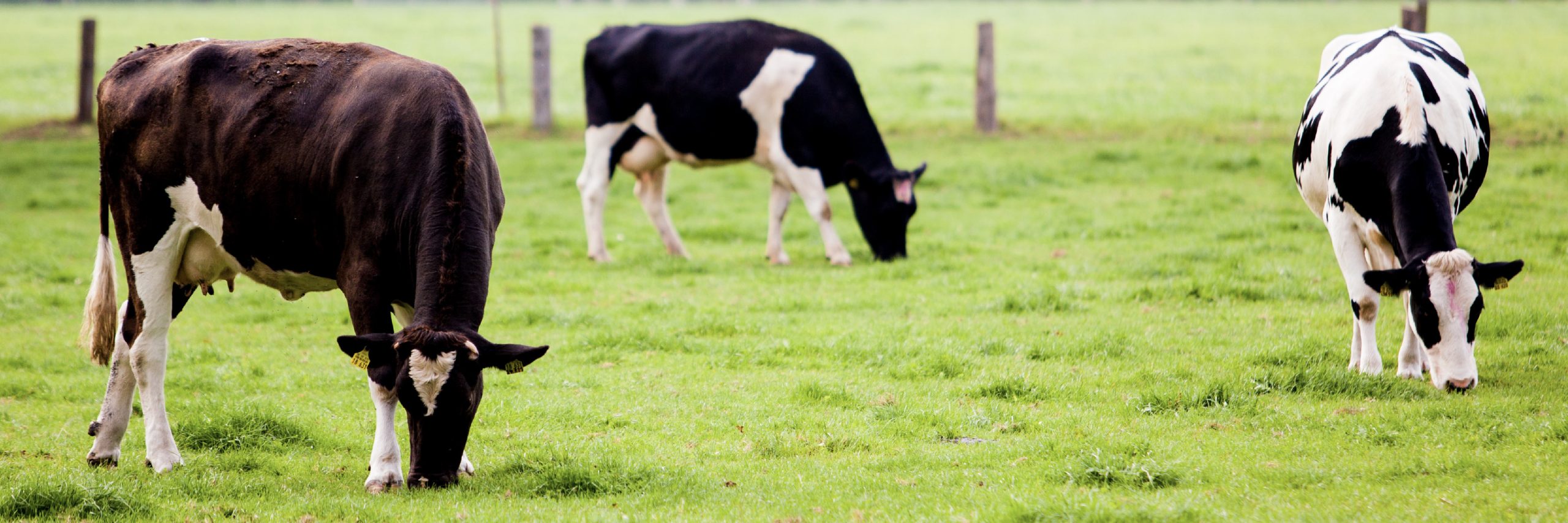
Grass-fed dairy comes from cows that graze on pasture, producing milk that’s naturally richer in nutrients and beneficial fats than conventional dairy.
Plant-based alternatives, on the other hand, are made from a range of sources such as nuts, seeds, grains, and legumes — think oat, almond, soy, pea, and rice milk.
The Protein Advantage
Protein is a key driver of the grass-fed movement. A single serving of grass-fed dairy provides around 8g of protein, compared to 1–4g in most plant-based milks.
Even more importantly, dairy protein is “complete”, meaning it contains all nine essential amino acids your body needs — and it’s more bioavailable, so your body can use it more efficiently.
That said, some plant proteins like soy are already complete, and combining others — such as pea and rice — can also deliver all nine essential amino acids.
More Than Just Protein
Grass-fed dairy also stands out for its nutrient density, offering beneficial fats such as CLA (conjugated linoleic acid), plus vitamins and antioxidants that support overall health.
Plant-based milks vary in their nutrient profiles — they’re often fortified with vitamins like B12, D, and calcium to match dairy’s natural content, but may provide other micronutrients such as vitamin E or magnesium, depending on the base ingredient.
Sustainability and Health Considerations
Plant-based milks offer a different set of benefits. They’re typically lower in saturated fat, though their calorie and carbohydrate content can vary widely depending on the type and whether they’re sweetened. They also tend to have a smaller environmental footprint compared to animal-based milk.
Meanwhile, raw, grass-fed milk appeals to those who prefer minimally processed, natural foods, although it’s important to handle and source it safely, as unpasteurised milk can contain naturally occurring microbes or become contaminated if not properly managed.
The Bottom Line
Both grass-fed dairy and plant-based milks have their advantages — from nutrition and digestibility to environmental and ethical factors. Ultimately, the choice depends on what matters most to U.
As more consumers take a closer look at what’s in their glass, a new trend is taking shape. In 2025, there’s growing interest in raw, grass-fed dairy — a return to milk from cows that graze on pasture, producing a more natural and nutrient-rich product...