
East Africa has taken centre stage in global nutrition science. A new clinical trial, run with Tanzanian researchers at the Kilimanjaro Christian Medical Univeristy College (KCMC) and Radboud University Medical Center in the Netherlands, has shown how quickly food can transform our biology. Within two weeks, switching from a Western-style diet to a traditional Kilimanjaro diet changed key markers of immune function, inflammation, and gut health.
What the study tested
Published in Nature Medicine — one of the world’s top medical journals — the study brought together 77 healthy young Tanzanian men from both urban Moshi and rural Kilimanjaro. It’s the first randomised controlled trial to explore how an African heritage diet affects the body. For two weeks, rural participants swapped their traditional meals for a Western-style menu of refined grains and processed foods, while the urban group did the opposite — switching to a traditional regional diet rich in fermented foods, legumes, ancient grains like millet and sorghum, and leafy greens. A third group kept their Western diet but added mbege, a locally fermented banana-and-millet drink. Researchers analysed blood and microbiome samples before and after each phase, and again four weeks later, to see how long the effects lasted. What they found The changes were dramatic. When participants moved to a Western-style diet, their immune systems became overactive yet less effective at fighting harmful microbes such as salmonella or tuberculosis. Within two weeks, their blood showed higher levels of inflammatory proteins and disruptions in metabolic pathways linked to non-communicable diseases. Those who switched in the opposite direction—from Western to traditional—showed reduced inflammation and better immune balance. Even the group that kept their Western diet but added the fermented banana drink experienced anti-inflammatory effects. One key difference was fibre: the traditional meals provided around 90 grams a day, triple that of a Western diet. Extra fibre feeds beneficial gut microbes, which help regulate immunity and inflammation. Some of the positive changes persisted at follow-up, suggesting that the benefits last beyond the short-term intervention. East Africa has taken centre stage in global nutrition science. A new clinical trial, run with Tanzanian researchers at the Kilimanjaro Christian Medical Univeristy College (KCMC) and Radboud University Medical Center in the Netherlands, has shown how quickly food can transform our biology. Within two weeks, switching from a Western-style diet to a traditional Kilimanjaro diet changed key markers of immune function, inflammation, and gut health.What the study tested
Published in Nature Medicine — one of the world’s top medical journals — the study brought together 77 healthy young Tanzanian men from both urban Moshi and rural Kilimanjaro. It’s the first randomised controlled trial to explore how an African heritage diet affects the body. For two weeks, rural participants swapped their traditional meals for a Western-style menu of refined grains and processed foods, while the urban group did the opposite — switching to a traditional regional diet rich in fermented foods, legumes, ancient grains like millet and sorghum, and leafy greens. A third group kept their Western diet but added mbege, a locally fermented banana-and-millet drink. Researchers analysed blood and microbiome samples before and after each phase, and again four weeks later, to see how long the effects lasted. What they found The changes were dramatic. When participants moved to a Western-style diet, their immune systems became overactive yet less effective at fighting harmful microbes such as salmonella or tuberculosis. Within two weeks, their blood showed higher levels of inflammatory proteins and disruptions in metabolic pathways linked to non-communicable diseases. Those who switched in the opposite direction—from Western to traditional—showed reduced inflammation and better immune balance. Even the group that kept their Western diet but added the fermented banana drink experienced anti-inflammatory effects. One key difference was fibre: the traditional meals provided around 90 grams a day, triple that of a Western diet. Extra fibre feeds beneficial gut microbes, which help regulate immunity and inflammation. Some of the positive changes persisted at follow-up, suggesting that the benefits last beyond the short-term intervention.Why it matters
Across East Africa, rates of obesity, diabetes, and heart disease are climbing as urbanisation and globalisation accelerate the shift toward processed foods. The rise in processed food consumption isn’t just changing what’s on our plates — it’s changing what’s happening inside our bodies, affecting both our immune systems and how we process energy. It demonstrates that a traditional, plant-rich, fermented, and minimally processed diet can rebalance inflammation within days, and that some of these benefits persist even weeks after the change. It reminds the world that African heritage diets are powerful models in their own right—every bit as worthy of study as the famous Mediterranean diet.Five smart shopping rules inspired by the study
- Choose whole and unrefined: Go for whole-grain flours such as sorghum, millet, teff, or maize with the bran intact. These traditional grains provide more fibre and nutrients than refined options.
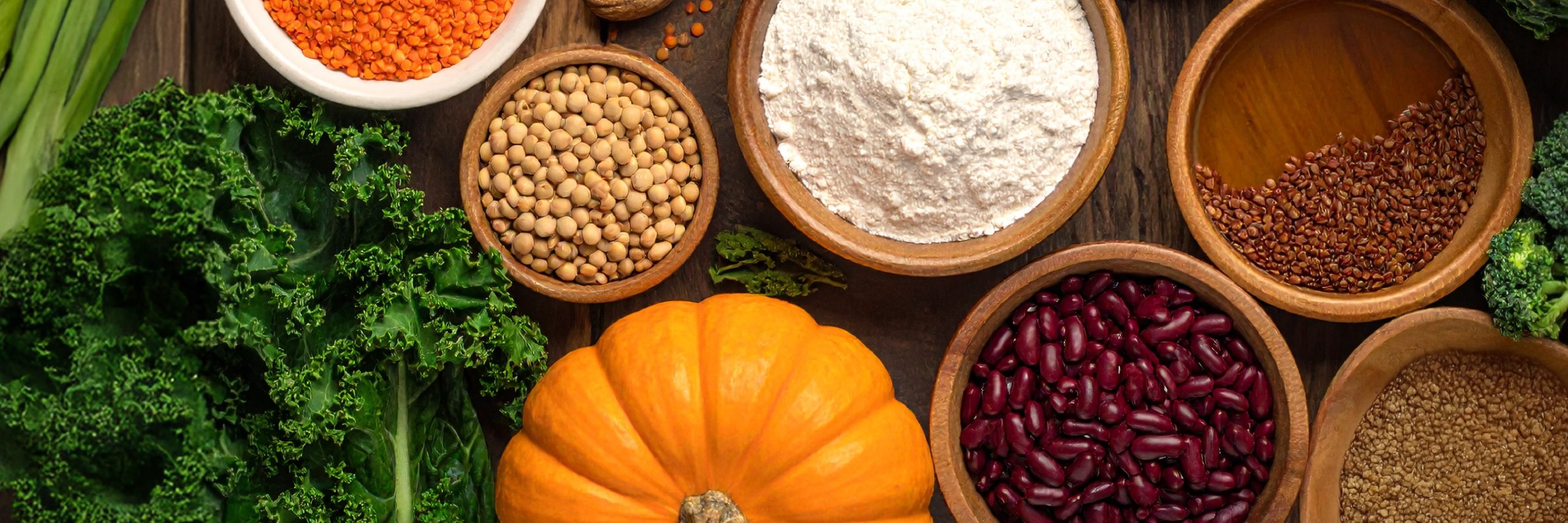
- Make legumes a daily habit: Njahi, ndengu, beans, chickpeas, and lentils deliver plant protein and feed your gut microbes—core elements of heritage diets.
- Mix your grains and greens: Combine different grains and plenty of indigenous vegetables like sukuma wiki, kunde, and managu. Diversity is key to nourishing a wider range of beneficial gut bacteria.
- Prioritise colour and freshness: Brightly coloured produce—orange pumpkins, purple yams, dark leafy greens, and seasonal fruits—are rich in polyphenols that calm inflammation.
- Include ferments regularly: Enjoy maziwa lala, fermented uji, togwa, kimchi, kefir, or kombucha (low sugar). Fermented foods introduce beneficial microbes that help keep your gut and immune system balanced.