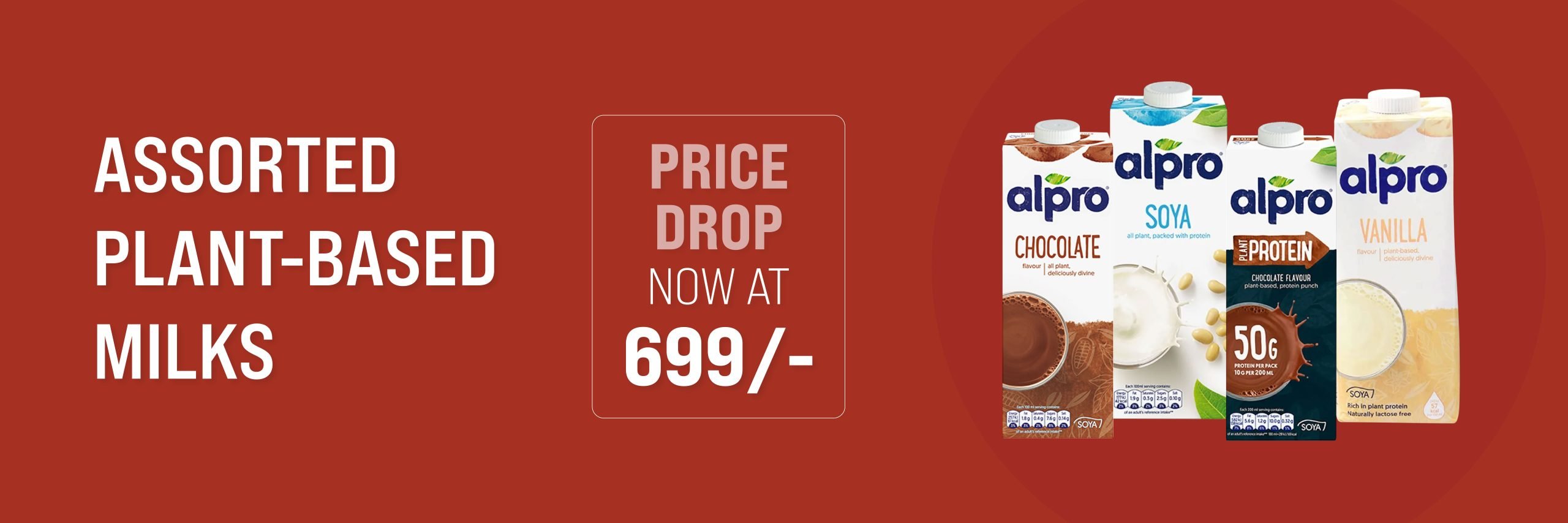

More and more people are switching from dairy milk to plant-based alternatives, and this shift is becoming a widespread movement. Let’s explore some of the main reasons behind this trend and some tips on how to select a plant-based option.
Lactose intolerance and dairy allergies
Many people ditch dairy because they are lactose intolerant or have dairy allergies. Lactose intolerance, where the body cannot (fully) digest lactose (the sugar in dairy), often leads to bloating, gas, and discomfort after consuming dairy. Similarly, milk allergies can trigger severe reactions. For these individuals, plant-based options like almond or soy milk provide relief, as they are naturally lactose-free.
Health and wellness
People are becoming increasingly aware of the potential health benefits of plant-based milk. These alternatives are typically lower in saturated fat and contain no cholesterol, making them a heart-friendly option. Many are fortified with nutrients like calcium and vitamins D and B to match or even exceed the nutritional profile of dairy milk—though this varies by brand. It’s important to keep an eye on the sugar content, as some varieties can contain added sugars. Some people also find that cutting out dairy helps reduce skin conditions such as acne and inflammation.
Environmental impact
One major reason people switch to plant-based milk is concern for the environment. Producing dairy requires significant resources, including water and vast amounts of feed to keep cows going. Almonds, on the other hand, don't need to munch their way through tonnes of food! Plus, cows’ farts (yes, really!) contribute to greenhouse gas emissions. Plant-based alternatives, such as oats or almond milk, are more sustainable choices, requiring fewer resources to produce. Brands like Alpro also emphasise sustainable sourcing, ensuring that zero deforestation is associated with their soy.
Ethical concerns
For those following vegan or vegetarian lifestyles, ethical concerns about animal welfare are significant. The dairy industry’s practices, such as the separation of calves from their mothers and the overall treatment of dairy cows, lead many people to seek plant-based alternatives that align with their values.
Variety and flavour
- The growing variety of plant-based milk options offers a wide range of flavours and textures. Almond, oat, coconut, cashew, rice, pea, and hazelnut milks each provide unique tastes, making them easy to incorporate into various meals and drinks. For coffee lovers, brands like Ecomil and Alpro even offer Barista versions, specially designed to help you craft the perfect cappuccino or caffe latte.
- With so many options, what should you look for when selecting plant-based milk?
- Flavour: Choose one that complements your recipe, such as almond or cashew for a nutty taste. Unsweetened versions are ideal for baking, allowing you to control the sweetness.
- Texture: Thickness and creaminess vary. Oat and soy milk have a consistency similar to dairy milk, making them perfect for baking or frothing in coffee.
- Nutrition Profile: Check the nutritional content and look for added nutrients like calcium and vitamins B and D. Soy milk is protein-rich (about 8 grams per cup), comparable to dairy milk, whereas options like almond or rice milk contain much less protein.
- Allergies: If you have food allergies, choose a milk that avoids ingredients like soy or nuts, depending on your sensitivity.