
Ultra-processed foods (UPFs) are everywhere. From fizzy drinks and packaged snacks to ready-made meals and sweetened cereals, they make up a large share of what’s on supermarket shelves today. Almost every dietary recommendation now reminds us to cut back on them. Yet, there’s still a lot of confusion — both for consumers and even within the scientific community. The criteria for what exactly counts as “ultra-processed” aren’t always clear, and there’s nuance that makes it tricky.
Processing itself isn’t new. People have been processing food for thousands of years — think milling grain into flour, salting fish, or fermenting vegetables. But ultra-processed foods are different. These are products that result from a series of industrial processes and are made mostly from ingredients you wouldn’t use in a home kitchen — things like refined starches, hydrogenated oils, sweeteners, flavour enhancers, emulsifiers, and colourings. They usually contain little, if any, whole food. They’re designed to be tasty, cheap, and convenient — but they’re also the foods most strongly linked to poor health outcomes.
Why are foods ultra-processed in the first place?
It’s worth remembering that not all the reasons behind ultra-processing are “bad.” Many steps are there to increase shelf life, which makes food cheaper and more accessible to many households. Using manufactured flavourings instead of natural flavour ingredients also lowers production costs. But while these methods help industry, they don’t always help our health. This blog takes a closer look at why ultra-processed foods can harm our health.
What ultra-processing add in
Ultra-processed foods are typically high in added sugar, salt, and unhealthy fats — and on top of that, they’re loaded with additives. These include:
- Colourings — some linked to hyperactivity in children.
- Emulsifiers — which help ingredients like oil and water stay mixed in foods such as sauces, bread, or ice cream.
- Artificial sweeteners, flavourings, and stabilisers — used to improve taste, texture, or shelf life.
- Fibre that supports digestion, blood sugar control, and satiety.
- Bioactive compounds like polyphenols, which protect against inflammation and chronic disease.
- Vitamins and minerals, which are often reduced in processed foods — meaning you get more calories but less nutrition per bite.
- Weight gain and obesity – even when calorie intake is controlled.
- Type 2 diabetes and heart disease – due to high sugar, salt, and fat, plus the lack of protective nutrients.
- Gut health problems – as additives and lack of fibre disturb the microbiome.
- Cognitive decline and early death – research has found associations with dementia, stroke, and premature mortality.
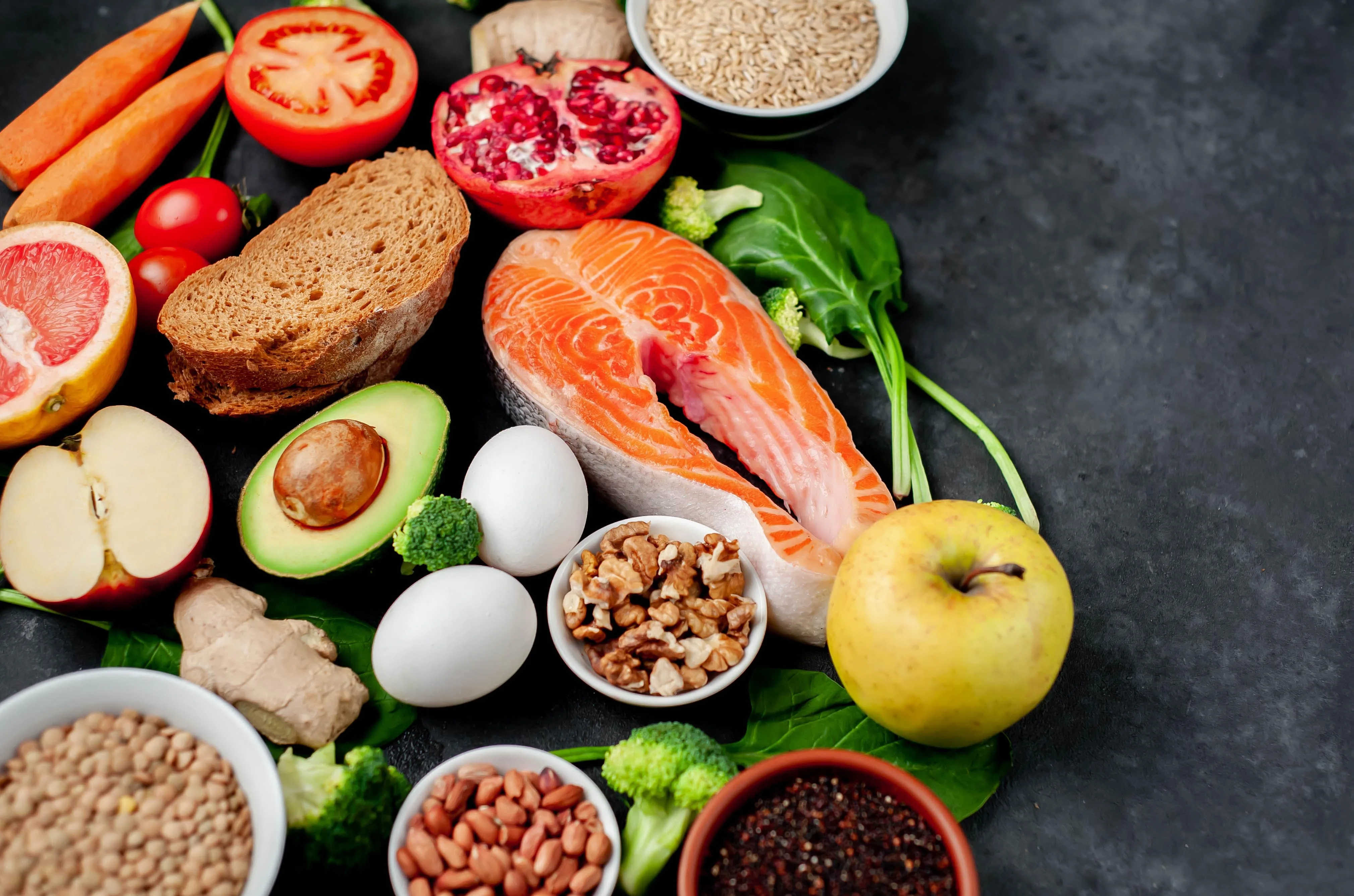
- Prioritise whole foods: Eat more fruits, vegetables, whole grains, and lean meats in their natural state.
- Read labels: Check for hidden sugars, unhealthy fats, and long lists of additives.
- Swap smart: Try whole-wheat pasta instead of white, plain yoghurt with fruit instead of sweetened yoghurts, sparkling water with a slice of lemon instead of fizzy drinks.
- Eat mindfully: Slow down, savour your meals, and tune into hunger and fullness cues.
- Make gradual changes: Focus on consistency, not perfection.
- Be informed: Understanding what goes into food empowers you to make confident choices