
Eat in a Way That Supports Your Brain
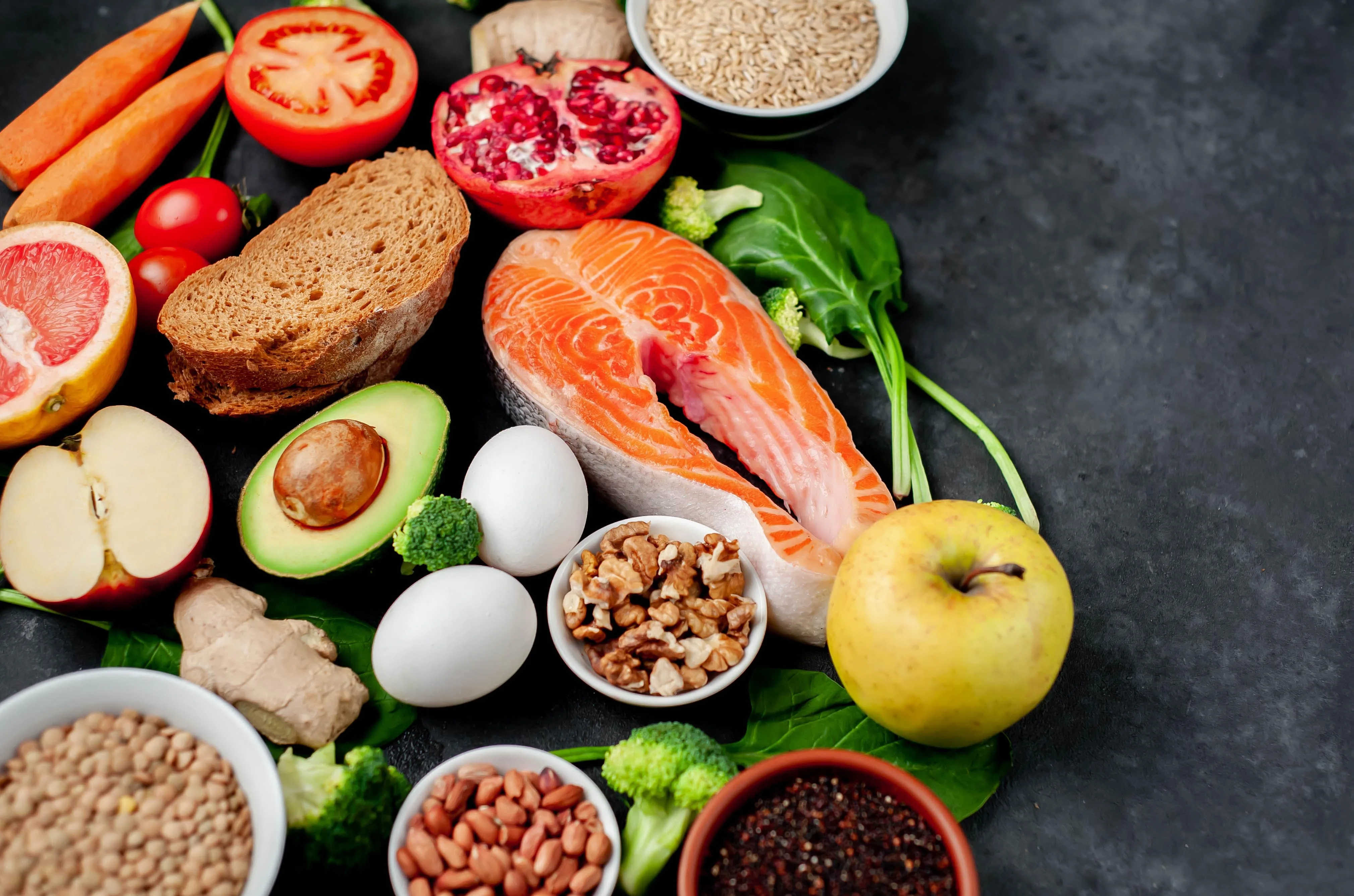
There is no single magic food that guarantees a sharper mind. What matters most is your overall eating pattern. One eating pattern that has received plenty of attention for brain health is the Mediterranean-DASH Intervention for Neurodegenerative Delay, the MIND diet. It brings together the best of the Mediterranean and DASH* diets, with a focus on foods that nourish the brain and support healthy ageing. The MIND diet is supported by growing scientific evidence; people who follow it closely have a significantly lower risk of Alzheimer’s disease and slower cognitive decline.The MIND diet encourages more of the foods we already know are good for us and at the same time, it suggests cutting back on fried foods, pastries, excess butter and large amounts of red meat.
Based on the MIND diet, a few brain-friendly foods to include more often:
Leafy greens
Think spinach, kale, broccoli and collard greens. These vegetables are packed with nutrients that help support brain function, so they are well worth including regularly.
Fatty fish
Fatty fish like salmon, sardines, cod and tuna are excellent sources of omega-3 fatty acids, which help maintain healthy brain cell membranes and support communication between neurons. Omega-3 fats have also been linked to lower levels of beta-amyloid, a protein associated with Alzheimer’s disease.
Aim to include fish at least twice per week, and include plant sources such as flaxseeds, walnuts and avocados. If you don’t eat fatty fish at least twice per week, an omega-3 supplement can help support your intake — ideally taken with a meal to improve absorption.
Berries
Berries are one of the stars of the MIND diet, because they are rich in flavonoids, natural compounds that support brain health. They are colourful, versatile and an easy way to add more plant goodness to your day. You could stir Naturalli Blueberries into your breakfast or add them to yoghurt for a simple brain-friendly snack.
Nuts and seeds
Nuts and seeds are an easy win when it comes to brain-smart eating. They bring healthy fats, fibre and important nutrients to meals and snacks. Naturalli Walnuts, Naturalli Chia Seeds, Naturalli Pumpkin Seeds or VP Walnuts are all easy options to sprinkle over porridge, salads or smoothies.
Whole grains
Whole grains help provide steady energy, which your brain appreciates. A bowl made with VP Jumbo Oats or VP Porridge Oats, topped with berries and seeds, is a simple way to start the day well. Quinoa is another useful option, and products like Naturalli White Quinoa Grain work beautifully in salads and grain bowls.
Beans and legumes
Beans, lentils and chickpeas are filling, affordable and full of goodness. Naturalli Black Eye Beans or VP Chick Peas are easy ways to add more plant-based protein and fibre to everyday meals.
Tea and coffee
Your morning coffee or tea might be doing more than waking you up. Moderate consumption of coffee (2-3 cups/day) or tea (1-2 cups/day) is associated with an 18% lower risk of dementia, particularly due to caffeine and polyphenols reducing inflammation and improving vascular health. The aim is not to overhaul everything overnight. Even a few small swaps can move you in the right direction.
Move Your Body, Help Your Brain
Regular movement improves blood flow to the brain and supports the growth of new neural connections. Large population studies suggest that around 10,000 steps per day may reduce dementia risk by up to 50%. The good news is that movement does not need to be intense to be beneficial. Walking, dancing, swimming, strength training or simply moving more throughout the day can all help support long-term brain health. The most important thing is consistency — finding ways to stay active that fit naturally into your routine.Prioritise Sleep
Sleep is one of the most important foundations for brain health. During sleep, the brain activates the glymphatic system — a natural cleaning process that helps remove waste products that accumulate during the day. Getting enough good-quality sleep helps support memory, focus, mood and overall wellbeing.Protect Your Heart to Protect Your Brain
Our brain relies on a healthy network of blood vessels to deliver oxygen and nutrients. What is good for the heart is often good for the brain too. A lifestyle that supports cardiovascular health can also support memory, focus and healthy brain ageing. That is why habits like balanced eating, regular movement, healthy sleep and stress management play such an important role in long-term cognitive health.Stay Connected and Keep Challenging Your Mind
Meaningful social connection helps keep us emotionally well and mentally engaged. At the same time, learning new things can help build cognitive reserve — the brain’s ability to adapt and stay resilient with age. Reading, conversation, puzzles, strategy games, creative hobbies, learning a language or trying a new skill all help challenge the brain in positive ways.The Bottom Line
The brain is a wonderfully complicated organ. Fortunately, looking after it is not: good food, good sleep, a bit of movement and something interesting to think about.Brain-Boosting Breakfast Idea
Try a bowl of VP Jumbo Oats topped with Naturalli Blueberries, Naturalli Walnuts and a sprinkle of Naturalli Chia Seeds. This simple combination provides fibre, healthy fats and antioxidants — nutrients that support brain health and steady energy throughout the morning.*DASH stands for Dietary Approaches to Stop Hypertension
[1] Morris MC, Tangney CC, Wang Y, Sacks FM, Barnes LL, Bennett DA, Aggarwal NT. MIND diet slows cognitive decline with aging. Alzheimers Dement. 2015 Sep;11(9):1015-22. doi: 10.1016/j.jalz.2015.04.011. Epub 2015 Jun 15. PMID: 26086182; PMCID: PMC4581900.