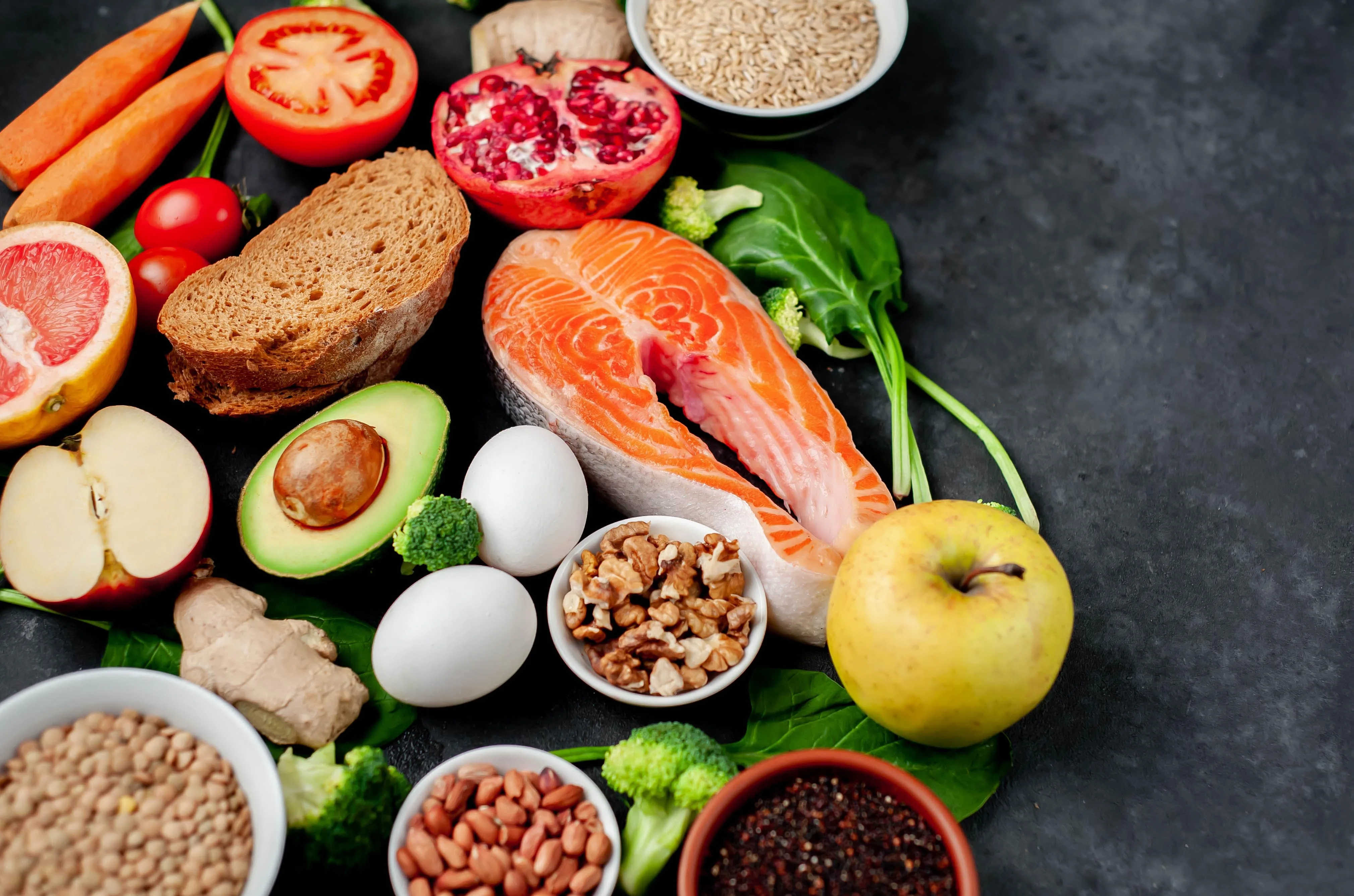
1. Choose complex carbs for longer-lasting energy Not all carbs behave the same. Simple carbs break down fast and spike blood sugar. Complex carbs digest slowly and keep you fuelled for longer. Try: oats, quinoa, brown rice, buckwheat, millet, sorghum....
1 min Read|by huadmin
1. Choose complex carbs for longer-lasting energy Not all carbs behave the same. Simple carbs break down fast and spike blood sugar. Complex carbs digest slowly and keep you fuelled for longer. Try: oats, quinoa, brown rice, buckwheat, millet, sorghum. 2. “Dress your carbs” for a smoother energy release Pairing carbs with protein and fats slows down how quickly glucose enters your bloodstream. Examples:
  • Toast: Add avocado or boiled egg
  • Cereals: Stir in nut butter, chia seeds, or berries
  • Rice crackers: Spread with hummus
  • Pasta: Add lean protein like chicken or beef and plenty of vegetables.

3. Use meal order to your advantage Start with fibre (salad or vegetables), then protein and healthy fats, and enjoy carbs last. This simple shift helps your body release glucose more slowly. 4. Move gently after meals A 10–15 minute walk after eating helps muscles absorb glucose. Any gentle activity counts — walking, stretching, tidying up. Walking within 30 minutes to 2 hours of eating is ideal. 5. Choose protein-rich snacks to avoid crashes Protein-rich snacks support steady energy and reduce cravings. Choose low-sugar options from Healthy U’s protein snack range. 6. Add vinegar to your starter Add a splash of vinegar to the vegetables you eat at the start of your meal. This pairs perfectly with the “fibre first” approach and can help reduce post-meal glucose spikes in a gentle, food-based way. Apple cider vinegar is a popular choice. 7. Stay well hydrated throughout the day Dehydration can make blood sugar harder to manage. Keep a reusable bottle nearby and try electrolyte drinks if you’re very active or in hot weather. 8. Prioritise low-GI foods Low-GI foods release energy slowly — think legumes, nuts, seeds, whole grains, and lower-sugar fruits like berries and oranges — but avoid turning these fruits into juice, as berry or orange juice behaves in the opposite way and causes a fast rise in blood sugar. 9. Manage stress to support steadier energy Stress raises cortisol — and blood sugar. Aromatherapy, calming teas, or magnesium can support relaxation. 10. Protect your sleep for better balance Poor sleep raises hunger hormones and affects insulin sensitivity. Aim for 7–9 hours of consistent, high-quality sleep. 11. Nourish your gut for healthier glucose responses A healthy gut microbiome supports better glucose metabolism. Try fermented foods or probiotic supplements. 12. Natural compounds with glucose-support benefits Helpful compounds with the strongest evidence include berberine, cinnamon bark extract, chromium, magnesium (such as magnesium glycinate), and alpha-lipoic acid (ALA). These have been shown in human studies to support insulin sensitivity and help maintain healthy blood sugar levels.