
The beginning of a new year invites us to take stock and gently refocus on the habits that help us feel balanced, energised, and well— We’re sharing our favourite steps to help you become the best version of yourself.
Step 1: Prioritise Restorative Sleep for Energy, Immunity, and Focus
Sleep is one of the most powerful yet often overlooked pillars of health. While you rest, your brain is hard at work—consolidating memories, supporting learning, and sharpening decision-making. Quality sleep also restores emotional balance, strengthens the immune system, regulates metabolism, and helps keep appetite hormones in check.
Dreaming, an essential part of sleep, plays a role in processing emotions and boosting creativity by connecting past experiences with present insights. In other words, sleep doesn’t just help you recover—it helps you grow.
Consistency is key. Aim to go to bed and wake up at the same time every day, even on weekends, to stabilise your internal body clock. Create a calming bedtime routine that signals it’s time to wind down—light stretching, meditation, or gentle aromatherapy can make a big difference.
Be mindful of sleep saboteurs. Avoid caffeine after midday, as it can significantly reduce deep sleep. Limit alcohol in the evening and skip naps after 1pm to preserve natural sleep pressure. As night falls, dim the lights and reduce screen time to support natural melatonin production.
Your sleep environment matters too. Keep your bedroom cool (around 18–20°C), dark, and quiet. A warm bath before bed can help lower your core body temperature, making it easier to fall asleep. And if sleep doesn’t come within 20–25 minutes, get out of bed and do something relaxing under dim light until you feel sleepy again. These small habits can transform how refreshed you feel each morning.
Step 2: Hydrate for Health, Focus, and Physical Performance
Water truly is the essence of life, making up around 50–70% of the human body. Staying hydrated isn’t just a wellness cliché—it’s foundational to feeling and functioning well.
Adequate hydration supports physical performance by regulating body temperature and reducing fatigue. Even mild dehydration can make exercise feel harder, both physically and mentally. Water also plays a vital role in digestion, helping prevent constipation and supporting regular bowel movements.
Your kidneys rely on sufficient fluid intake to function optimally. Drinking enough water helps dilute minerals and salts in the urine, reducing the risk of kidney stones. For those focusing on weight management, water can increase feelings of fullness and may support metabolism, particularly when consumed about 30 minutes before meals.
Hydration also affects your brain. Research shows that even mild dehydration can impair mood, memory, and concentration in both children and adults. Headaches—a common sign of dehydration—can often be eased simply by drinking more water.
Hydration needs vary depending on climate, activity level, diet, health, and life stage. Hot weather, exercise, illness, pregnancy, and breastfeeding all increase fluid requirements. Rather than relying on thirst alone, aim for pale, clear urine as a practical indicator of good hydration, and sip water consistently throughout the day.
Step 3: Fuel Your Body with Nourishing, Balanced Foods
Think of your body as a vehicle and your heart as the driver. The quality of fuel you choose determines how far—and how well—you can go.
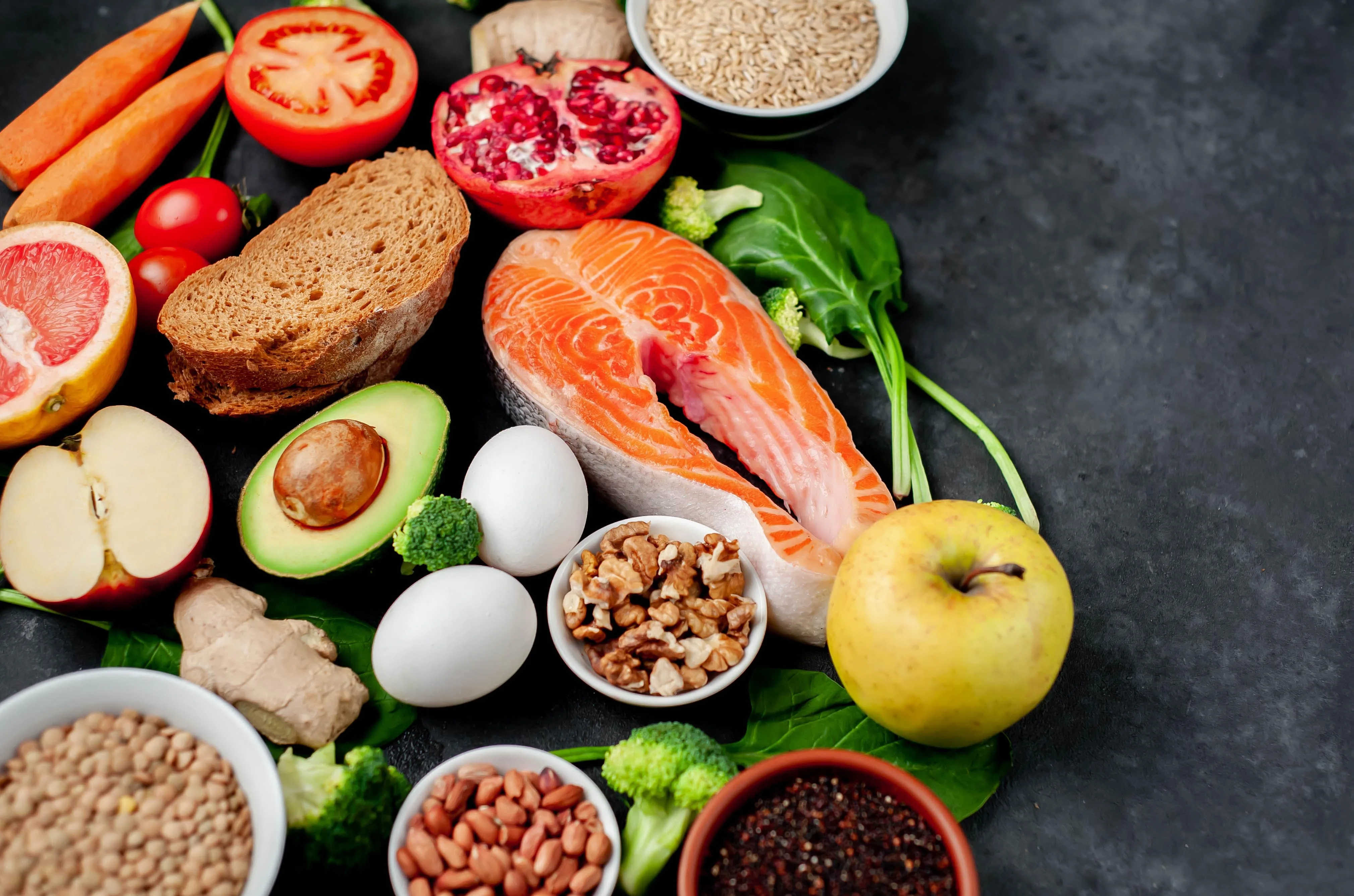
Food fuels your energy, supports your ambitions, and reflects how much you value your well-being. A reliable starting point is following national healthy eating guidelines, which emphasise variety and balance. Include whole or minimally processed starchy foods such as brown rice or wholegrain bread, and fill your plate with fruits and vegetables in a wide range of colours.
Seasonal produce is often fresher, more affordable, and richer in flavour. Pair meals with healthy fats like nuts, seeds, or olive oil to enhance the absorption of fat-soluble vitamins.
Protein is essential for building and repairing tissues. Plant-based options include legumes, tofu, nuts, and seeds, while animal sources such as fish, eggs, poultry, and lean meats are also valuable. Dairy and yoghurt can contribute protein too—opt for unsweetened versions where possible.
Moderation remains key. Limit highly processed foods high in sugar, salt, and trans fats. Use healthier cooking methods like steaming, grilling, or baking, and enhance flavour naturally with herbs, spices, lemon, or garlic. A nourishing diet is not about restriction—it’s self-care in action.
Step 4: Embrace Personal Growth and Lifelong Learning
Loving yourself means staying open to growth at every stage of life. It’s never too late to learn something new or explore a hidden passion. You are not defined by your job title, age, gender, or background—your curiosity and willingness to grow matter far more.
Adopting a growth mindset—the belief that abilities can be developed through effort and practice—helps you navigate setbacks with resilience. Challenges become opportunities, not limitations. Be mindful of negative self-talk; even brief moments of self-doubt can hold you back. With patience, curiosity, and consistency, growth remains possible at any age.
Step 5: Move Your Body to Boost Mood, Resilience, and Connection
Movement is about far more than fitness. During sustained physical activity, the brain releases feel-good chemicals that boost mood and reduce stress. This effect isn’t limited to running—it can happen during swimming, cycling, dancing, or even brisk walking.
Regular movement builds physical strength and mental resilience, helping you feel more capable in daily life. It also has a powerful social dimension. Exercising with others—whether in classes, team sports, or simple walks—strengthens connection and creates a sense of belonging.
The key to consistency is enjoyment. Choose activities that align with what you love, whether that’s being outdoors, moving to music, or sharing an experience with friends.
Step 6: Stay True to Who You Are for Long-Term Well-Being
Authenticity is at the heart of well-being. Becoming the best version of yourself isn’t about fitting into someone else’s expectations—it’s about listening inward and honouring what genuinely resonates with you.
True authenticity means making choices rooted in self-awareness rather than pressure or fear of missing out. It takes courage to peel back societal labels and stay aligned with your values, but this is where real fulfilment lives.
When you stay true to who you are, you build a life that feels meaningful, grounded, and uniquely yours.
The beginning of a new year invites us to take stock and gently refocus on the habits that help us feel balanced, energised, and well— We’re sharing our favourite steps to help you become the best version of yourself. Step 1: Prioritise Restorative Sle...