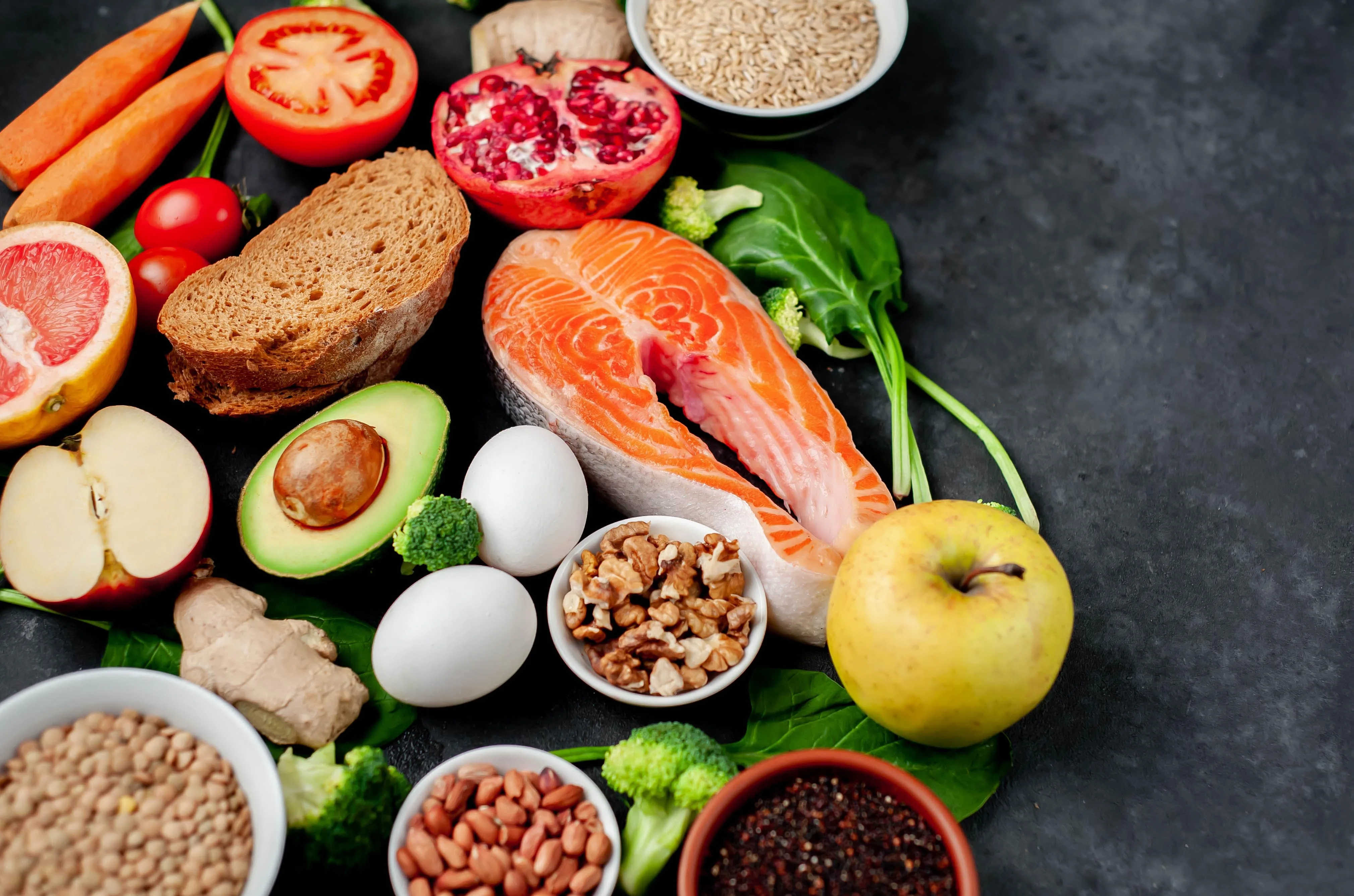

Each year, on 14 November, we celebrate World Diabetes Day – a time to raise awareness and support those with diabetes. At Healthy U, we're here to help guide you through lifestyle choices that can make a difference. Today, we’ll take a look at the basics for a balanced diet for diabetes.
When it comes to diabetes, there’s no one-size-fits-all diet. However, the choices you make can significantly impact your glucose levels, energy, mood, and overall well-being. The key? Focus on balance and variety by including foods from all the main food groups.
Fruits and vegetables: Colour your plate
Many think diabetes means cutting out all fruit – but not true! Fresh fruits and vegetables are packed with vitamins, minerals, and fibre. Aim for a colourful mix to get a range of nutrients. Just keep portions in mind, and try to avoid fruit juices and smoothies, as they can spike blood sugar.
Tip: Going for whole fruits rather than juices helps you retain fibre, which supports smoother blood sugar control. Example of high fibre fruits and vegetables are broccoli, squash, carrot, avocado, passion fruit and most berries.
Starchy foods: Choose wisely
Starchy foods, like, ugali, (sweet) potatoes, rice, and bread, are an important part of many diets. But did you know they affect blood sugar differently based on the type? For a more balanced option, choose starchy foods with a low glycaemic index (GI) – like wholegrain bread, brown rice, or whole-wheat pasta. These release energy more slowly, helping keep blood sugar levels steady.
Healthy Swap: Try swapping white bread for wholegrain bread, white rice for brown rice and cornflakes for bran flakes. Use almond flour, oat flour, spelt flour or chickpea flour instead of white flour for baking. Small changes like these can make a big difference!
Protein: Balance is Key
Protein is essential for muscle health and plays a crucial role in balancing blood sugar by slowing gastric emptying and helping you feel fuller for longer. Lean proteins like chicken and fish are excellent choices, though it’s wise to limit red and processed meats due to their association with heart disease and colon cancer. Plant-based proteins, such as nuts and pulses, are fantastic alternatives that add variety to your meals and help reduce saturated fat intake.
Try This: Incorporate more plant-based proteins into your weekly meals, like lentils or chickpeas, to keep things heart-healthy.
Dairy and alternatives
Dairy is a great source of calcium and protein, but be sure to avoid milk and yoghurts with added sugars, as they often contain surprisingly high amounts. For those who want or need to avoid dairy, there are plenty of dairy-free options like almond or soy. Just remember to choose the unsweetened versions fortified with calcium for the best nutritional boost.
Healthy oils and fats: Go for the good ones
Not all fats are bad – in fact, we need healthy fats for our body to function well. Oils like olive, rapeseed, and those from nuts are great choices. They offer heart-healthy benefits, especially when swapped for saturated fats found in dairy butter or lard.
Foods to minimise
When managing diabetes, it’s helpful to keep certain foods to a minimum to avoid blood sugar spikes and reduce health risks:
- Sugary Foods: Sodas, sweets, pastries, cookies, and ultra-processed sauces can cause blood sugar surges.
- Saturated Fats: Found in red and processed meats, and many ultra-processed foods, these can increase the risk of Type 2 diabetes and heart disease.
- Sodium: Many people with diabetes also have an increased risk of cardiovascular disease, so it’s important to monitor sodium intake. The American Diabetes Association recommends limiting sodium to less than 2,300 mg daily (or 1,500 mg if you have high blood pressure or kidney issues). Ultra-processed foods are often loaded with hidden salt, so check labels!