Your heart never takes a break. It pumps blood every second of every day, delivering oxygen and nutrients to keep you alive and energised. Looking after it is one of the best investments you can make for your long-term health. As the world paused to re...
1 min Read|by huadmin
Your heart never takes a break. It pumps blood every second of every day, delivering oxygen and nutrients to keep you alive and energised. Looking after it is one of the best investments you can make for your long-term health. As the world paused to recognise World Heart Day on 29 September—this year under the theme “Don’t Miss a Beat”—it’s a timely reminder to give your heart some extra care. Alongside movement, rest and stress management, the right nutrition can provide valuable support. In this guide, we highlight four trusted supplement options—CoQ10, resveratrol, aged garlic extract and a targeted blood-pressure blend—together with low-GL choices and heart-friendly superfoods. Always check with your healthcare professional, especially if you take blood-pressure medication, anticoagulants, or are pregnant or breastfeeding.

Supplement shortlist

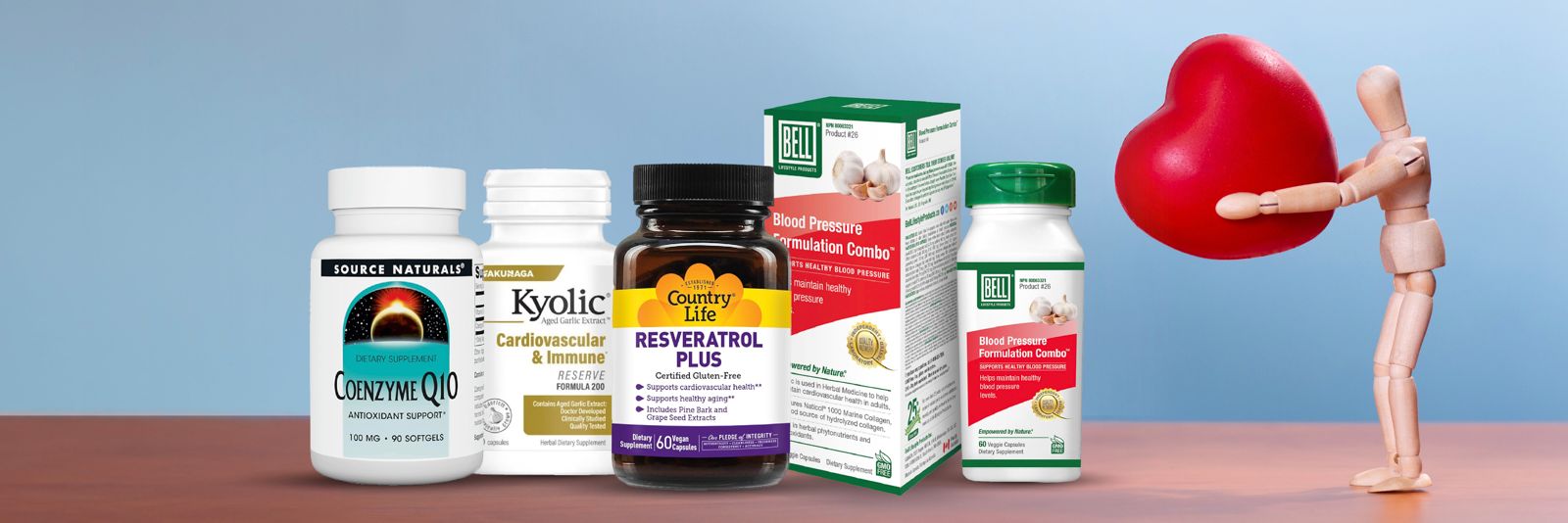
Source Naturals CoQ10 Coenzyme Q10, or CoQ10, is an antioxidant the body naturally makes. It helps protect against cell damage and plays a vital role in energy production. Levels fall with age and can be reduced by medicines such as statins. Supplementing may help restore antioxidant protection and energy support in the heart muscle.
  • Benefits: May improve symptoms in congestive heart failure, and help lower blood pressure and support recovery after exercise.
  • How to take: Adults take 1 to 3 capsules daily, preferably with a meal.
  • Good to know: Effects may take a few weeks to notice.
Country Life Resveratrol Plus Resveratrol is an antioxidant-like compound found in grape skins and seeds. It helps neutralise harmful free radicals in cells, supporting the body’s antioxidant defences. In doing so, resveratrol may aid cardiovascular health and healthy ageing. Country Life Resveratrol Plus combines resveratrol with other supportive nutrients.
  • Benefits: May support circulatory health by protecting blood vessels and reducing oxidative stress.
  • How to take: Adults take 1 capsule daily with food or as directed by a certified nutritionist.
  • Good to know: Supplements provide a more concentrated source than diet alone.
Kyolic Reserve Cardiovascular (Aged Garlic Extract) Garlic has long been valued for health benefits, and when aged it becomes a concentrated source of active compounds. Aged garlic extract supports cardiovascular health by helping regulate blood pressure and cholesterol.
  • Benefits: May support healthy blood pressure, improve circulation, and reduce arterial stiffness. Studies also suggest it can lower total and LDL (“bad”) cholesterol.
  • How to take: Take 1 to 2 capsules, twice daily with a meal.
  • Good to know: The ageing process removes the harsh odour of raw garlic while preserving its compounds.
Bell Blood Pressure Formula This supplement blends garlic, herbs, fish peptides, and antioxidants to help maintain blood pressure naturally. By promoting flexible, relaxed blood vessels, it supports circulation and cardiovascular health.
  • Benefits: Helps maintain healthy blood pressure, supports circulation, assists in lowering blood lipids, and provides antioxidants.
  • How to take: Adults take 3–4 capsules once daily with water, a few hours before or after other medications or health products.
  • Good to know: Includes green coffee bean, garlic, celery, parsley, passionflower, barberry, pomegranate, and hydrolysed collagen (fish peptides).

Eat for your heart

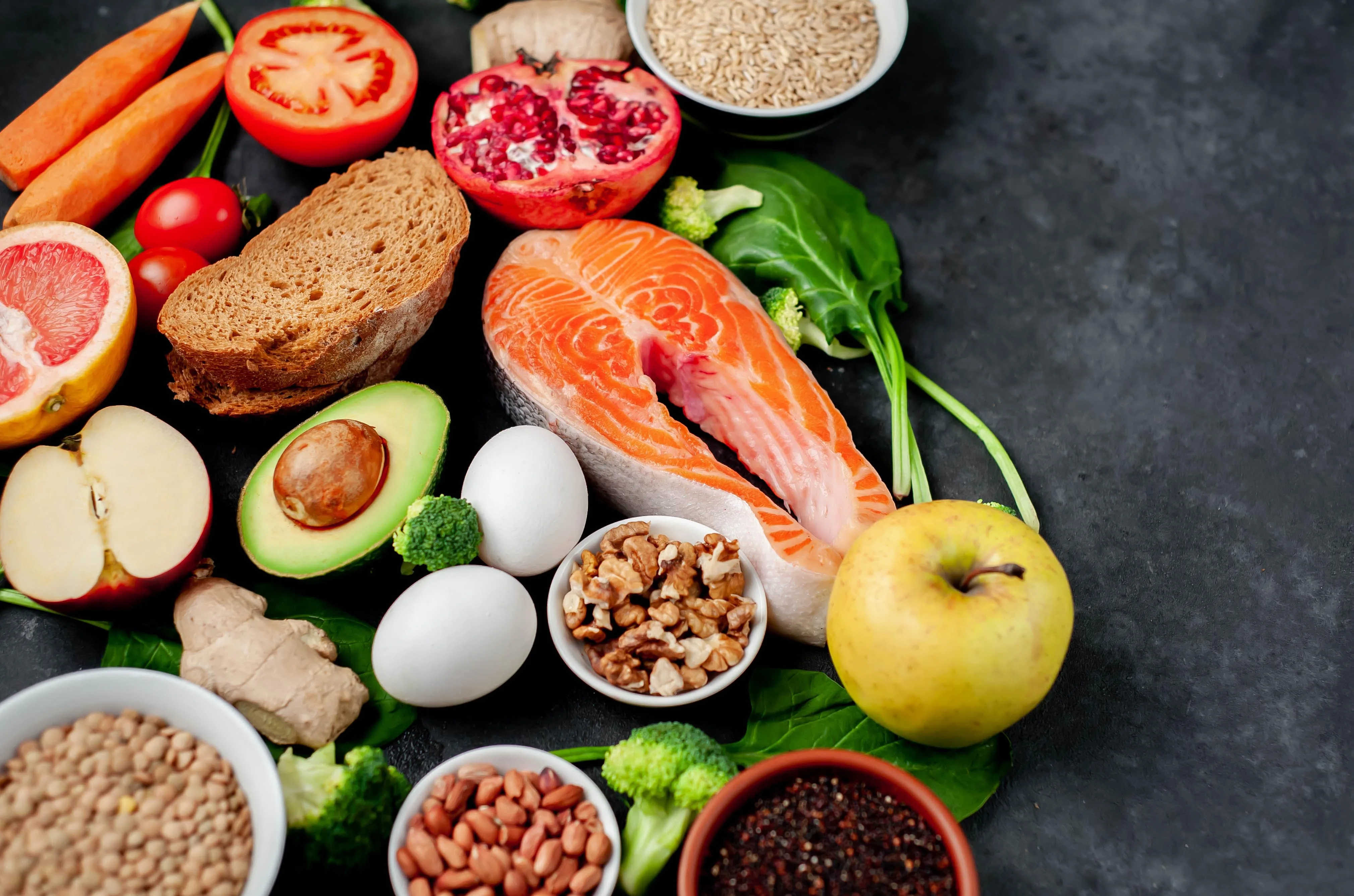
Food choices are central to cardiovascular health. A diet rich in vegetables, fruits, whole grains, and healthy proteins lowers disease risk. One reason is the glycaemic load (GL) of foods, which explains part of the effect. GL measures not only how quickly a food raises blood sugar, but also how much carbohydrate it provides in a typical serving. Low-GL foods help stabilise blood sugar, support healthy cholesterol, and lower the risk of diabetes — all important for heart health. Research involving over 130,000 people found those eating more low-GL foods were less likely to suffer heart attacks, strokes, or early death. Heart-smart picks:
  • Vegetables: spinach, kale, broccoli, carrots, tomatoes, cucumbers
  • Fruits: avocado, berries, oranges, guava, prickly pear, papaya
  • Whole grains: barley, bulgur, buckwheat, millet, oats, quinoa, sorghum
  • Legumes: lentils, black beans, chickpeas
  • Nuts, milk, and yoghurt
Limit: refined carbs and sugars such as white bread, white rice, white pasta, mandazi, cakes, sodas. Extra heart-healthy tips (American Heart Association): eat a variety of produce, choose plant-based and seafood proteins, use liquid oils instead of tropical oils, minimise processed foods, reduce salt, and limit alcohol.

Superfoods for your heart

Certain plant foods offer added support. Matcha, rich in green tea catechins, helps protect blood vessels and cholesterol levels. Beetroot powder supplies natural nitrates that relax blood vessels and improve circulation. Stinging nettle, often taken as tea, may reduce inflammation linked to cardiovascular strain. Hibiscus tea has been shown to help maintain healthy blood pressure. These easy additions to smoothies, teas or even baked goods make heart-friendly nutrition simple.

Safety first

Supplements and superfoods can be powerful allies for your heart, but they aren’t a replacement for prescribed medication or professional care. Always speak with your healthcare provider before starting anything new, especially if you’re taking blood pressure medication, anticoagulants, or have existing health conditions. Pregnant and breastfeeding women should also seek advice first. Remember that more is not always better — follow recommended servings and give your body time to adjust. Combined with a balanced diet, movement, sleep, and stress management, these natural supports can help you look after your heart. Don’t miss a beat when it comes to protecting your heart.

References

Coenzyme Q10 1. Mayo Clinic. Coenzyme Q10. 2. National Center for Complementary and Integrative Health (NCCIH). Coenzyme Q10: In Depth. 3. Madmani ME, et al. "Coenzyme Q10 for heart failure." Cochrane Database of Systematic Reviews. 2014. 4. Rosenfeldt F, et al. "Coenzyme Q10 in the treatment of hypertension: a meta-analysis of the clinical trials." J Hum Hypertens. 2007. Resveratrol 5. Mayo Clinic. Resveratrol. 6. Berman AY, et al. "Resveratrol and health — A comprehensive review of human clinical trials." Nutrients. 2017. 7. National Center for Complementary and Integrative Health (NCCIH). Resveratrol: What You Need To Know. Aged Garlic Extract 8. Ried K, et al. "Aged garlic extract reduces blood pressure in hypertensives: a dose–response trial." Eur J Clin Nutr. 2013. 9. Morihara N, et al. "Aged garlic extract enhances production of nitric oxide in endothelial cells and improves arterial elasticity in humans." Nutrition. 2007. Bell Blood Pressure Formula 10. Bell Lifestyle Products. Blood Pressure Formula Product Information. 11. U.S. National Library of Medicine. Garlic — MedlinePlus Supplements. Low-GI diet and cardiovascular health 12. Jenkins DJ, et al. "Glycemic index: overview of implications in health and disease." Am J Clin Nutr. 2002. 13. Jenkins DJ, et al. "Glycemic index, glycemic load, and cardiovascular disease and mortality." N Engl J Med. 2021. 14. Cleveland HeartLab. Can a Low-Glycemic Diet Help Your Heart? 2021. 15. American Heart Association. Life’s Essential 8: Eating Better for Heart Health. Superfoods 16. Kuriyama S, et al. "Green tea consumption and mortality due to cardiovascular disease, cancer, and all causes in Japan: the Ohsaki study." JAMA. 2006. 17. Khan N, Mukhtar H. "Tea and health: studies in humans." Curr Pharm Des. 2013. 18. Siervo M, et al. "Inorganic nitrate and beetroot juice supplementation reduces blood pressure in adults: a systematic review and meta-analysis." J Nutr. 2013. 19. Clifford T, et al. "The potential benefits of red beetroot supplementation in health and disease." Nutrients. 2015. 20. Chrubasik JE, et al. "Urtica dioica for treating benign prostatic hyperplasia: a systematic review." Planta Med. 2007. 21. European Medicines Agency. Assessment report on Urtica dioica L., folium. 2012. 22. McKay DL, et al. "Hibiscus sabdariffa L. tea (tisane) lowers blood pressure in prehypertensive and mildly hypertensive adults." J Nutr. 2010. 23. Hopkins AL, et al. "Hibiscus sabdariffa L. in the treatment of hypertension and hyperlipidemia: a comprehensive review of animal and human studies." Fitoterapia. 2013.