Turkey tail mushroom (Trametes versicolor) is a common, colorful, shelf-like fungus that grows on dead wood, known for its distinctive concentric rings resembling a turkey's tail feathers and velvety texture. It’s also a medicinal mushroom that has bee...
1 min Read|by huadmin
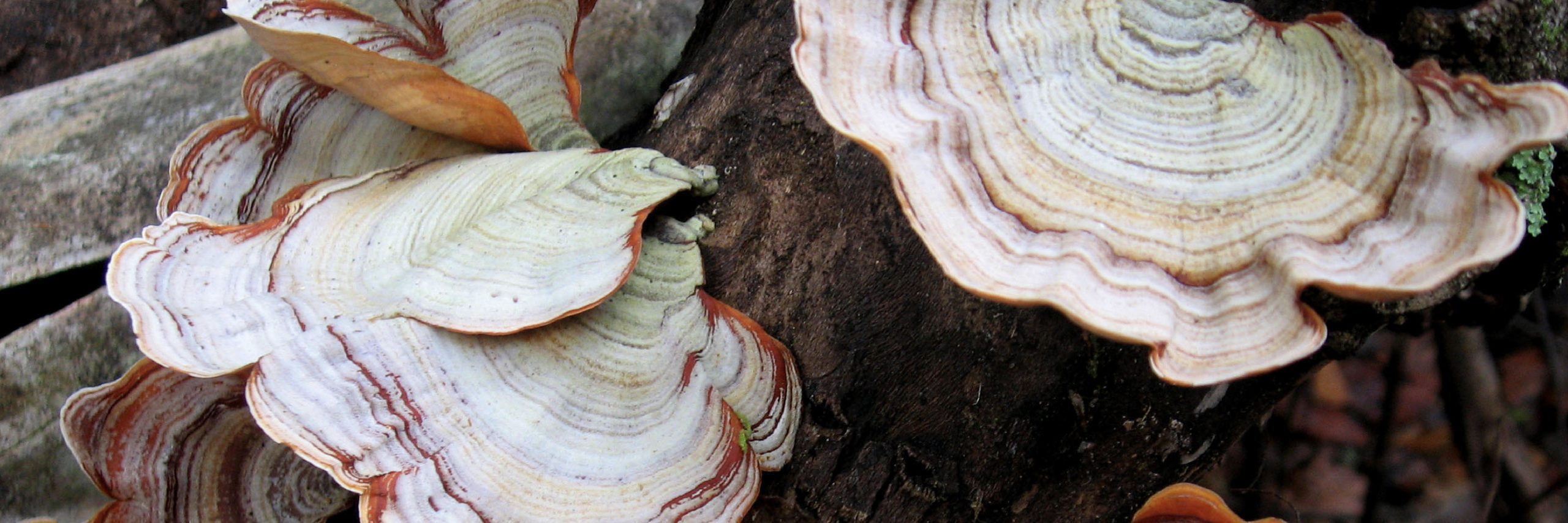
Turkey tail mushroom (Trametes versicolor) is a common, colorful, shelf-like fungus that grows on dead wood, known for its distinctive concentric rings resembling a turkey's tail feathers and velvety texture. It’s also a medicinal mushroom that has been widely studied for its immune-modulating and gut-health properties. Turkey tail’s benefits stem from its unique polysaccharides, rather than vitamins or minerals. These components include: Polysaccharopeptides (PSK and PSP), which are protein-bound sugars with strong immune-boosting and anti-cancer potential. Beta-glucans, which are complex carbohydrates that modulate immune response, and Polyphenols, which are antioxidants found in the mushroom. Evidence-based benefits.
  1. Cancer support and adjunct Therapy
This is the most well-documented use. In several countries, including Japan, PSK (a proprietary turkey tail extract) is an approved prescription drug used alongside standard treatments like chemotherapy and radiation. It doesn’t kill cancer but helps the immune system recognize and attack the cancer cells. Large-scale meta-analyses have shown that patients with gastric, colorectal, and lung cancers who received PSK along with chemotherapy had significantly higher survival rates compared to those who received chemotherapy alone.
  1. Immune System Modulation
From intense research, turkey tail is considered an immunomodulator. Clinical trials have shown that turkey tail can increase the count and activity of Natural Killer (NK) cells and T-cells. This makes it useful for people with suppressed immune systems, such as those recovering from intense medical treatments or chronic viral infections.
  1. Gut Microbiome Health.
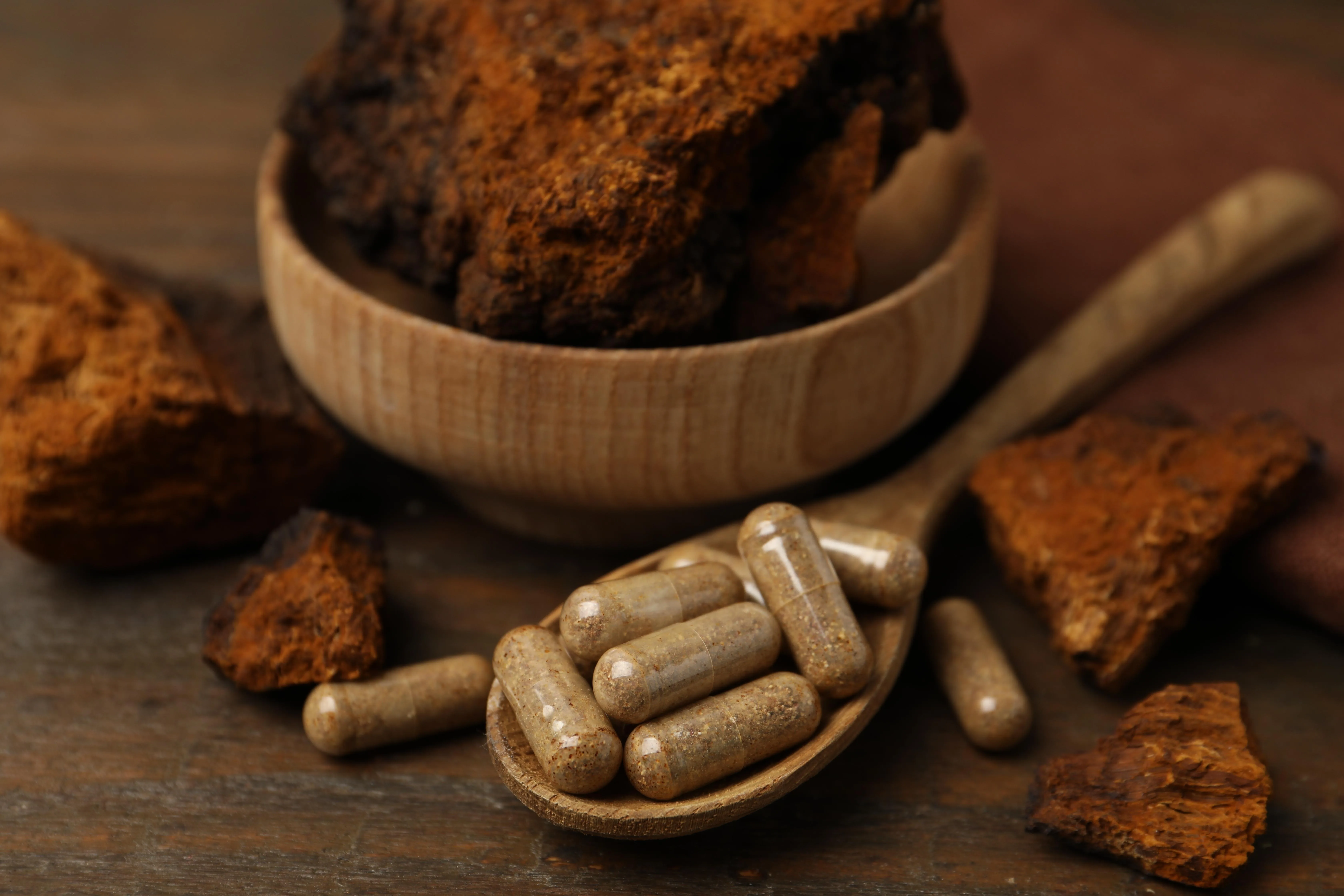
Research in recent times has suggested that turkey tail acts as a prebiotic, which is food for the good bacteria in the gut. A study found that turkey tail extract could favorably shift the balance of gut bacteria by increasing beneficial strains (like Bifidobacterium) and suppressing potentially harmful ones (like Staphylococcus). How to use and safety considerations. Turkey tail mushrooms are tough and leathery; they are not usually eaten like the normal mushrooms that we can easily cook. Instead, they are processed into forms that make their beneficial compounds more "bioavailable". Common ways to take turkey tail include: in teas and broths, powders, capsules, and tinctures. Safety considerations to consider would be allergic reactions, digestive shifts, medical interactions, and quality matters. In case of any of this intake should be discontinued. Overall, turkey tail has also been revealed to have wound healing, antidiabetic, antimicrobial, antifibrotic, neurotrophic, and anti-inflammatory effects, among other therapeutic efficacies. It is one of the supplements that is a must include in our healthy lifestyle journey.