
A new book that is out claims that almost no-one needs to develop Alzheimer’s. Less than one percent of cases are caused by genes and amyloid deposits, the targets for new drug treatments, it proposes, are neither the cause nor the cure. With all the focus (and money) being invested in a ‘cure’ through drug development, this book offers hope and practical guidance with the message that, for 99% of people, Alzheimer’s is preventable. “Becoming an Alzheimer’s patient is almost always a choice.” says neurologist Dr David Perlmutter, a member of the Alzheimer’s Prevention Expert Group, who also believes that diet and lifestyle, much more than genes, is driving the increase in Alzheimer’s. He advises those wishing to dementia- proof themselves to read the book.
“Alzheimer’s is the consequence of a ‘perfect storm’ – comprising a negative diet, lifestyle and environmental factors that affect either the structure, the function, or the utilisation of the brain”, says Patrick Holford author of Alzheimer’s: Prevention is the Cure and Chair of the Alzheimer’s Prevention Expert Group. Every single known risk factor affects one of these, and it is the combinations of these risk factors, which are under our control, that lead to cognitive decline, often first experienced as brain fog and forgetfulness.”
The book comes out of a major global Alzheimer’s prevention project of the charity foodforthebrain.org, which has now tested the cognitive function of over 400,000 via a free online test. Once completed it’s followed by a comprehensive diet and lifestyle questionnaire that calculates future risk and advises you how to lower it. People can return time and again to revisit the test to benchmark their progress.
“We are seeing declining cognitive function from the age of 18” says Holford, who founded the charity to prevent Alzheimer’s. “The overall trend is a steady decline in cognitive function from early twenties with most starting to show significant cognitive impairment in their 70’s and 80’s. But this decline can not only be arrested, it can be reversed with the right diet, supplements and lifestyle choices.”
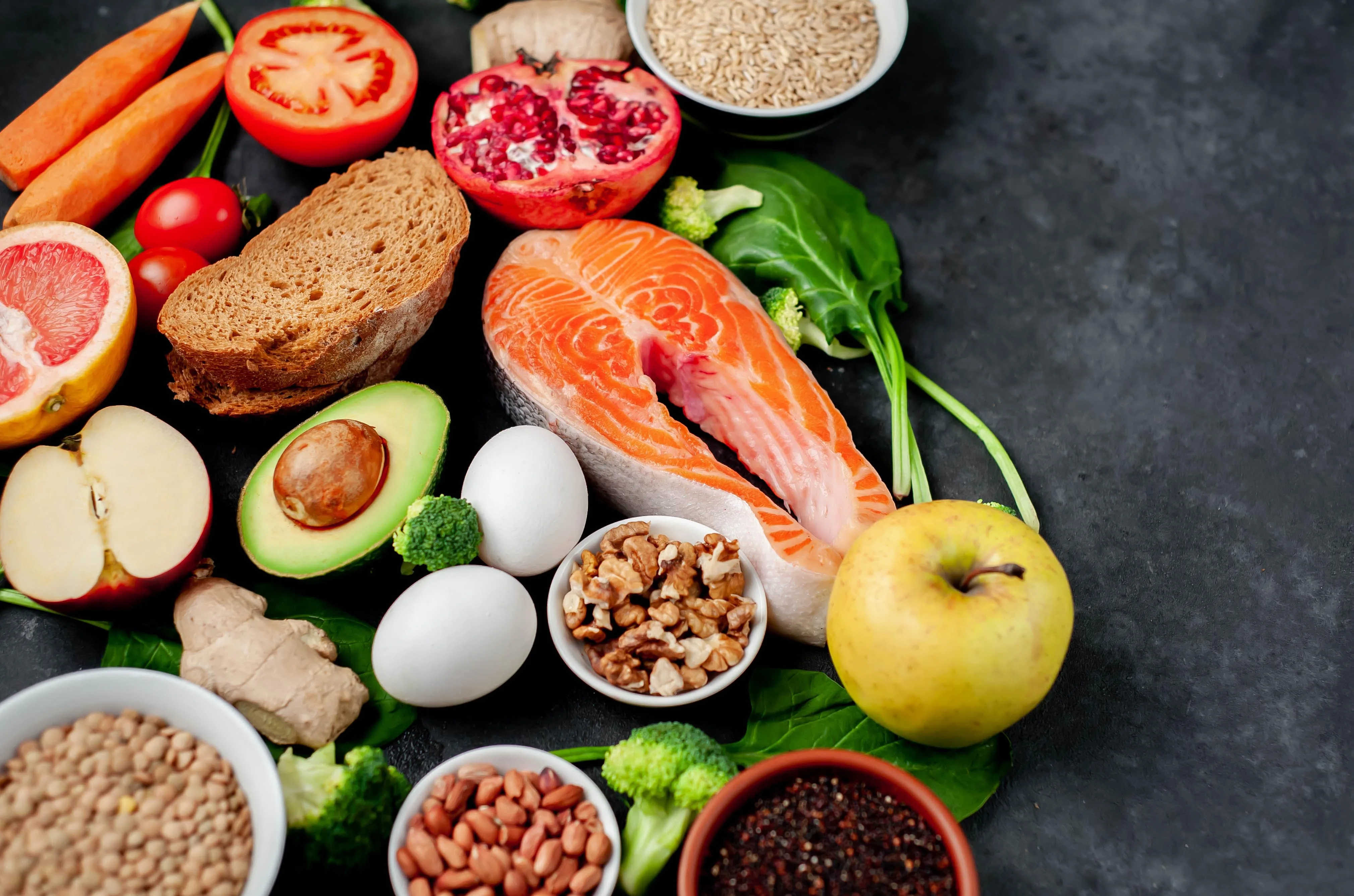
The book explains all known risk factors we can change, and the extent to which doing so will reduce future risk. Particularly important are what Holford calls ‘the four horsemen of the brain health apocalypse’ – lack of brain fats, B vitamins, antioxidants and too much sugar and refined foods. Increasing your intake of omega-3 from fish and fish oil supplements cuts risk by 20%, as does optimising your vitamin D level. Those who supplement vitamin D have a third less risk of dementia.
The single biggest and easily eliminated risk factor is lack of B vitamins driving up a toxic amino acid in the blood, called homocysteine. “This book rightly promotes homocysteine lowering B vitamins and omega-3 fatty acids as important keys to such prevention.”
Says Joshua Miller, Professor of Nutritional Science at Rutgers University, USA.
The body of evidence that is available is beyond question and yet those invested in making money from a drug cure continue to ignore this crucial marker. Holford, who has dedicated his life to researching Alzheimer’s prevention, is supported by the world’s most eminent scientists in the field including Professor David Smith from the University of Oxford “We urgently need to adopt the approach proposed in this book: find the best ways to prevent the disease processes that lead to dementia.” He says. “The potential benefits are huge both in personal and in economic terms. The book must lead to a change in official policies!”
Associate Professor in Health Economics at the University of Oxford, Apostolos Tsiachristas, says just testing homocysteine and lowering it with a 10p a day B vitamin supplement “is predicted to save the UK economy approximately £60 million per year”. It was also estimated it would promote healthy longevity, adding 14 years to life expectancy.151
“We’ve been trying to get the health service to take prevention seriously for over 20 years. Instead, through our work at foodforthebrain.org we inform, educate, ultimately empower individuals to make up their own minds and to take charge of their Alzheimer’s risk and this more than anything was my reason for writing this book.” Says Holford.
“We also provide people with a home-test kit for homocysteine, vitamin D and omega-3 index which GPs rarely test for. If the omega-3 index is below 8%, which it is for many, that not only predicts cognitive decline but actual brain volume. Below 5% predicts significant risk for developing dementia later in life. The government recommendation to have a serving of oily fish a week is inadequate to prevent Alzheimer’s. Only one in five even achieve this.” Research in Holland finds those with poor omega-3, vitamin D and B vitamin status have more than four times the risk for dementia later in life.
The test kit also measures HbA1c, which GPs use to diagnose diabetes. Eating less sugar, refined and ultra-processed foods, as well as less carbohydrates overall, also cuts risk by about 20%. “Alzheimer’s can be caused by messed up metabolism, which is why diabetics have double the risk.” Says Holford.
The other big risk reducer is increasing intake of fruits and vegetables rich in antioxidants, as well as supplementing vitamin C. Those in the top third of antioxidant intake have half the risk of cognitive decline, according to a study of 2,716 people over age 60.[ii] The blood test also measures a person’s antioxidant status.
Getting your diet right is only half the story, says Holford. “Minimising alcohol, not smoking, keeping fit, having an active social and intellectual lifestyle are also vital parts of dementia-proofing. So too is getting enough sleep, not being too stressed and being able to hear and see. Having cataracts increases risk but having cataract corrective surgery reduces risk. Women also need to support hormonal health after the menopause. Often ‘natural’ HRT makes a big difference.”
The book is available from foodforthebrain.org/books. Profits goes towards support this prevention project. NOTES TO EDITORS
ABOUT ALZHEIMER’S:PREVENTION IS THE CURE
The book is published on May 1st, available from foodforthebrain.org/books, Amazon and in Kindle and Audible. £12.99 (240 pages).
ABOUT THE ALZHEIMER’S PREVENTION EXPERT GROUP
The Alzheimer’s Prevention Expert Group (APEG) is a voluntary group of scientists and professors, all experts in an aspect relating to the prevention of cognitive decline, from leading Universities in the UK, US, Canada, EU and China. See foodforthebrain.org/apeg.
ABOUT ALZHEIMER’S PREVENTION DAY – May 20th
An initiative, within Alzheimer’s Awareness Week (19th to 23rd) , to give people the information and encouragement to take steps towards preventing Alzheimer’s. The alzheimersprevention.info website includes a 3-minute Alzheimer’s Prevention Check and a 30 second ‘selfie’ challenge to record and share something you do to help prevent Alzheimer’s. The website alzheimersprevention.info also includes 3-minute videos from world-leading dementia prevention experts, regarding important prevention steps.
ABOUT THE FOOD FOR THE BRAIN FOUNDATION
The Food for the Brain Foundation (foodforthebrain.org) is an educational and research charity (no.1116438), focussing on dementia prevention. It’s free online validated Cognitive Function Test, followed by the Dementia Risk Index questionnaire assessing eight drivers of dementia, then advising participants what to do. To take the test yourself visit www.foodforthebrain.org
NOTES TO EDITORS
ABOUT ALZHEIMER’S:PREVENTION IS THE CURE
The book is published on May 1st, available from foodforthebrain.org/books, Amazon and in Kindle and Audible. £12.99 (240 pages).
ABOUT THE ALZHEIMER’S PREVENTION EXPERT GROUP
The Alzheimer’s Prevention Expert Group (APEG) is a voluntary group of scientists and professors, all experts in an aspect relating to the prevention of cognitive decline, from leading Universities in the UK, US, Canada, EU and China. See foodforthebrain.org/apeg.
ABOUT ALZHEIMER’S PREVENTION DAY – May 20th
An initiative, within Alzheimer’s Awareness Week (19th to 23rd) , to give people the information and encouragement to take steps towards preventing Alzheimer’s. The alzheimersprevention.info website includes a 3-minute Alzheimer’s Prevention Check and a 30 second ‘selfie’ challenge to record and share something you do to help prevent Alzheimer’s. The website alzheimersprevention.info also includes 3-minute videos from world-leading dementia prevention experts, regarding important prevention steps.
ABOUT THE FOOD FOR THE BRAIN FOUNDATION
The Food for the Brain Foundation (foodforthebrain.org) is an educational and research charity (no.1116438), focussing on dementia prevention. It’s free online validated Cognitive Function Test, followed by the Dementia Risk Index questionnaire assessing eight drivers of dementia, then advising participants what to do. To take the test yourself visit www.foodforthebrain.org
NOTES TO EDITORS
ABOUT ALZHEIMER’S:PREVENTION IS THE CURE
The book is published on May 1st, available from foodforthebrain.org/books, Amazon and in Kindle and Audible. £12.99 (240 pages).
ABOUT THE ALZHEIMER’S PREVENTION EXPERT GROUP
The Alzheimer’s Prevention Expert Group (APEG) is a voluntary group of scientists and professors, all experts in an aspect relating to the prevention of cognitive decline, from leading Universities in the UK, US, Canada, EU and China. See foodforthebrain.org/apeg.
ABOUT ALZHEIMER’S PREVENTION DAY – May 20th
An initiative, within Alzheimer’s Awareness Week (19th to 23rd) , to give people the information and encouragement to take steps towards preventing Alzheimer’s. The alzheimersprevention.info website includes a 3-minute Alzheimer’s Prevention Check and a 30 second ‘selfie’ challenge to record and share something you do to help prevent Alzheimer’s. The website alzheimersprevention.info also includes 3-minute videos from world-leading dementia prevention experts, regarding important prevention steps.
ABOUT THE FOOD FOR THE BRAIN FOUNDATION
The Food for the Brain Foundation (foodforthebrain.org) is an educational and research charity (no.1116438), focussing on dementia prevention. It’s free online validated Cognitive Function Test, followed by the Dementia Risk Index questionnaire assessing eight drivers of dementia, then advising participants what to do. To take the test yourself visit www.foodforthebrain.org