
Polycystic ovary syndrome (PCOS) is a hormonal disorder that affects many women—estimates suggest between 6 to 13 percent during their reproductive years, and some studies indicate it could be as high as one in five. Living with PCOS can feel confusing and overwhelming at times. Symptoms vary widely from woman to woman, but some of the most common include irregular periods, difficulties conceiving, and changes in hair growth.
What is PCOS?
PCOS is called a syndrome because it’s not just one condition, but a cluster of symptoms that affect the body in different ways. It primarily impacts the ovaries, which produce eggs and hormones like estrogen and progesterone, but it can also have effects well beyond the reproductive system. If left unmanaged, PCOS may contribute to long-term health challenges, which is why awareness and supportive care are so important.What causes PCOS?
The exact cause isn’t fully understood, but several factors are believed to play a role. These include insulin resistance, which makes it harder for the body to use sugar effectively, hormonal imbalances such as higher levels of androgens, and genetic influences. Chronic low-grade inflammation and environmental factors may also contribute, making PCOS a complex condition with no single trigger.Common signs and symptoms
Because PCOS looks different for everyone, recognising it can be tricky. Some women experience irregular or missed periods, heavy bleeding, or infertility struggles. Others may notice excess hair growth on the face and body, hair thinning on the scalp, or skin that is oily and prone to acne. Weight gain—or sometimes difficulty losing weight—can also be part of the picture. Changes in skin pigmentation, fatigue, sleep disturbances, mood swings, and even headaches are not uncommon, showing just how wide-ranging the symptoms can be.Diet and nutrition
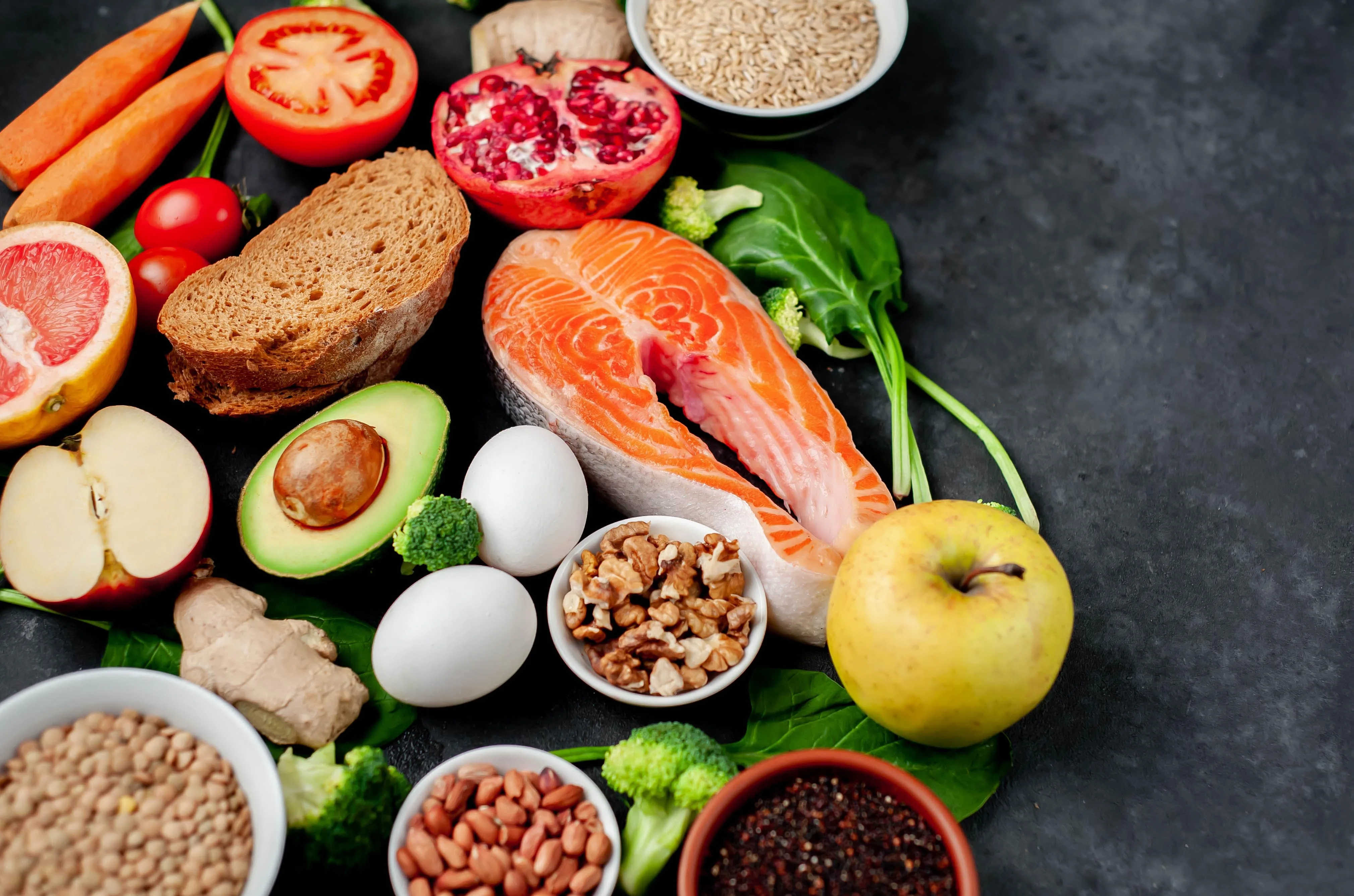
Food and lifestyle choices can have a big impact on how PCOS feels day to day. While there’s no one-size-fits-all diet, research shows that balanced nutrition and regular movement can ease many of the symptoms and improve overall wellbeing. Focusing on high-fibre foods like chia seeds, flax seeds, vegetables, berries, and whole grains can support better digestion and insulin sensitivity. Choosing low glycaemic index foods—such as quinoa, oats, brown rice, lentils, beans, chickpeas, broccoli, spinach, kale, and fruits like berries, apples, and oranges—helps regulate blood sugar levels. Lean proteins including chicken, turkey, eggs, fish, and tofu can keep you satisfied and maintain muscle. Anti-inflammatory foods like turmeric, ginger, leafy greens, and omega-3-rich sources are especially supportive. And don’t forget healthy fats from fatty fish, olive and flaxseed oil, avocado, nuts, and seeds, which play a role in hormone production. On the other hand, it’s wise to limit refined carbohydrates such as white bread, rice, ugali, pastries, and sugary cereals. Added sugars from fizzy drinks and desserts, along with highly processed or fried foods, can also make symptoms worse. Dairy products like butter, skim milk, yoghurt, and cheese may trigger reactions in some women, though not all. Oils high in trans fats or made from corn and certain vegetables may also fuel inflammation and are best avoided.Supplements
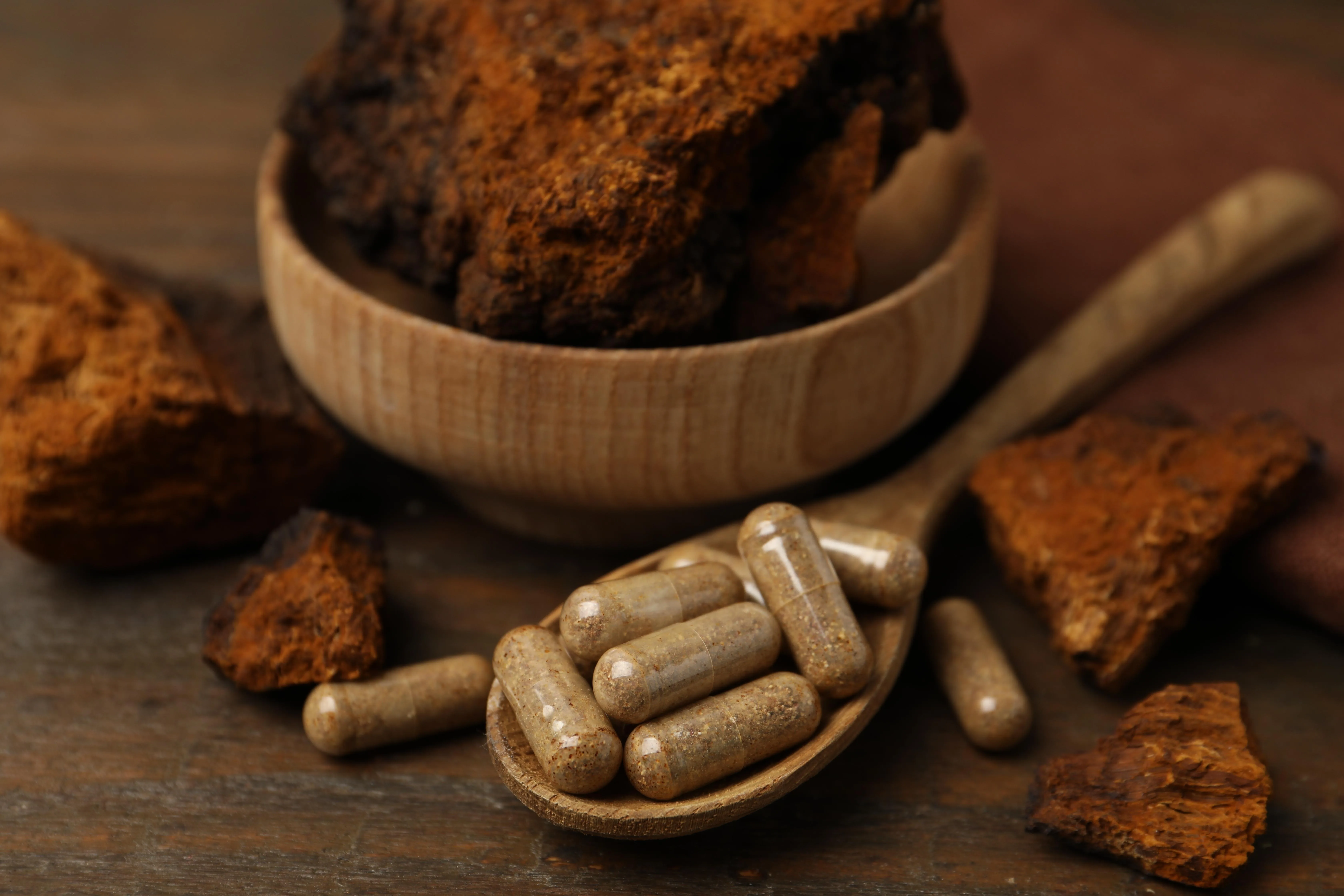
For many women, supplements can provide extra support:- Inositol (Myo-inositol, D-chiro-inositol): Improves insulin sensitivity and blood glucose regulation. It also supports ovulation and reduces testosterone.
- Vitamin D: Many women with PCOS are deficient in this vitamin. It helps regulate menstrual cycles, improve insulin sensitivity, and lower androgens.
- Omega-3 (fish oil): Helps reduce inflammation and supports mood and heart health.
- Magnesium: Reduces PMS symptoms and can improve sleep.
- Chromium: Supports blood sugar control and reduces sugar cravings, which may help with weight management.
- Zinc: Reduces acne and excess hair growth while supporting immune and reproductive health.
- Curcumin: Provides anti-inflammatory and antioxidant effects, which may help with PCOS-related pain.
- Berberine: Improves hormonal balance, boosts fertility, and supports metabolism.