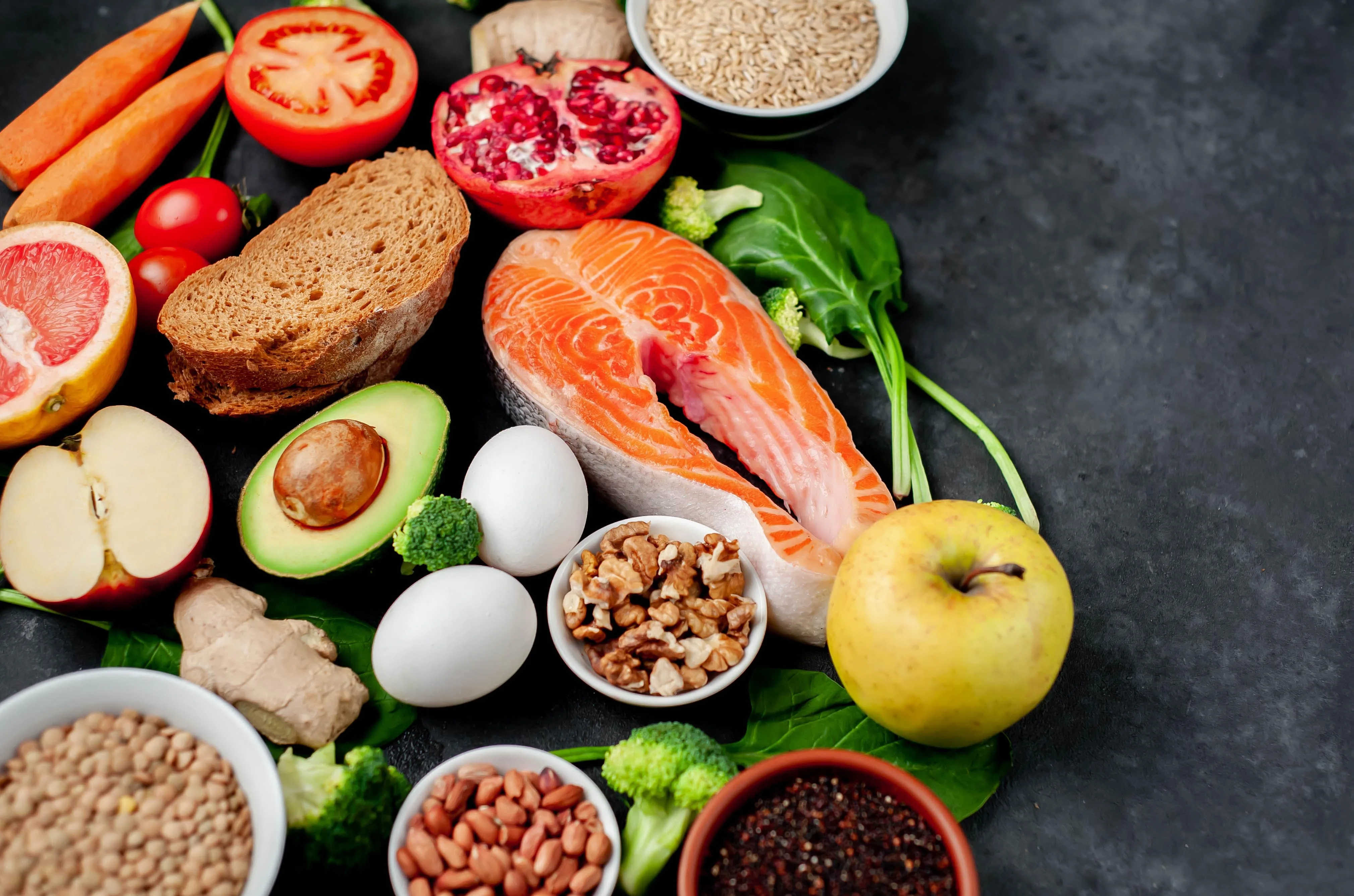
The majority of supplements today are created using synthetic nutrients and contain unnecessary fillers, binders and preservatives. At Wild Nutrition, they believe in a different way - Food-Grown. It ensures your body not only recognises but better abs...
1 min Read|by huadmin
The majority of supplements today are created using synthetic nutrients and contain unnecessary fillers, binders and preservatives. At Wild Nutrition, they believe in a different way - Food-Grown. It ensures your body not only recognises but better absorbs the natural nutrients - leading to potent and tangible results. This is especially important for fertility, pregnancy and postpartum when nutrient needs increase and the quality and form of nutrients can make a real difference to fertility and pregnancy outcomes. With over 10 years of experience making products for female health, Wild Nutrition knows how to support the complex biochemical processes that go into creating a new life. Preconception For many women preconception is the first time nutrition and supplements are considered factors in daily activities. Optimising your diet during pre-conception is not just important for the health of developing ovarian eggs and hormone production but can also have an impact on the future health of any children you may have. Even if you have an excellent diet, all women who are trying to conceive are advised to supplement their diet with 400mcg folic acid (folate), to protect against neural tube defects and Vitamin D, to ensure that your baby has strong bones and developing teeth. The key nutrients when trying to conceive (TTC) include: Folate (B9): Important for cellular division as it is a cofactor for DNA synthesis. It is often recommended to take three months pre-conception to build up stores in case of a successful pregnancy, this is due to its role in preventing neural tube defects such as spina bifida. Folates are naturally occurring in foods, such as leafy greens, whereas folic acid is a synthetic version of this nutrient which is often found in high-street multivitamins. Food Sources: Dark leafy green vegetables, brown rice, berries, beans, peas. Omega 3: An essential fatty acid, which helps to regulate hormones, is important for healthy ovulation and keeps the cell wall of an egg flexible to allow for fertilisation. It is also anti-inflammatory which helps to reduce inflammation in the ovaries and uterus, thereby promoting healthy reproductive function. Food Sources: Oily fish (salmon, mackerel, herring, sardines, anchovies). Also in walnuts, chia seeds, flaxseeds and hemp seeds but this is an ALA form of Omega 3 which needs to be converted by the body to DHA/EPA. Vitamin D: Many studies have shown that Vitamin D levels are linked to fertility and healthy pregnancy outcomes, with lower levels being linked to fertility issues. Food Sources: Found in small amounts in eggs, small, boned fish eg sardines and some mushrooms, but typically only 10% of our daily recommendation comes from food which makes supplementation key. Iodine: Required for the production of thyroid hormones, which in turn impacts the endocrine system. Low levels have been linked to a reduction in ovulation and adverse pregnancy outcomes. Food Sources: seafood, dairy, eggs, seaweed and some grains. B6: An essential nutrient for hormonal balance especially in keeping oestrogen and progesterone in balance. It is involved in the production of neurotransmitters, prostaglandins and red blood cells, all of which are involved in a healthy menstrual cycle. Food Sources: Whole grains, eggs, white fish, poultry, chickpeas and bananas. Zinc: An important nutrient for hormone balance, including oestrogen and progesterone. Zinc also contributes to healthy cell division which is required in early pregnancy. It is a key mineral for a healthy immune system which plays a direct role in fertility outcomes. Food Sources: Sunflower and pumpkin seeds, nuts, pulses, shellfish, lamb and whole grains. As well as optimising these nutrients through your diet it is also important to take a preconception supplement to ensure you are getting the nutrients at the right levels to support fertilisation, implantation and early pregnancy. Wild Nutrition have supplements to support your individual fertility journey: Fertility Support - a blend of botanicals, minerals and vitamins to provide prenatal nutritional support whilst trying to conceive, including;
  • The NHS recommended dose of 400ug of folic acid. Provided as the naturally occurring active and methylated folate forms. These forms are suitable for those who have the genetic variations MTHFR or any other methylation issues.
  • 400iu (10ug) Vitamin D, based on the latest clinical research.
  • Higher levels of B12 which supports methylation, an important biochemical process for fertility and early pregnancy and to support the utilisation of folate.
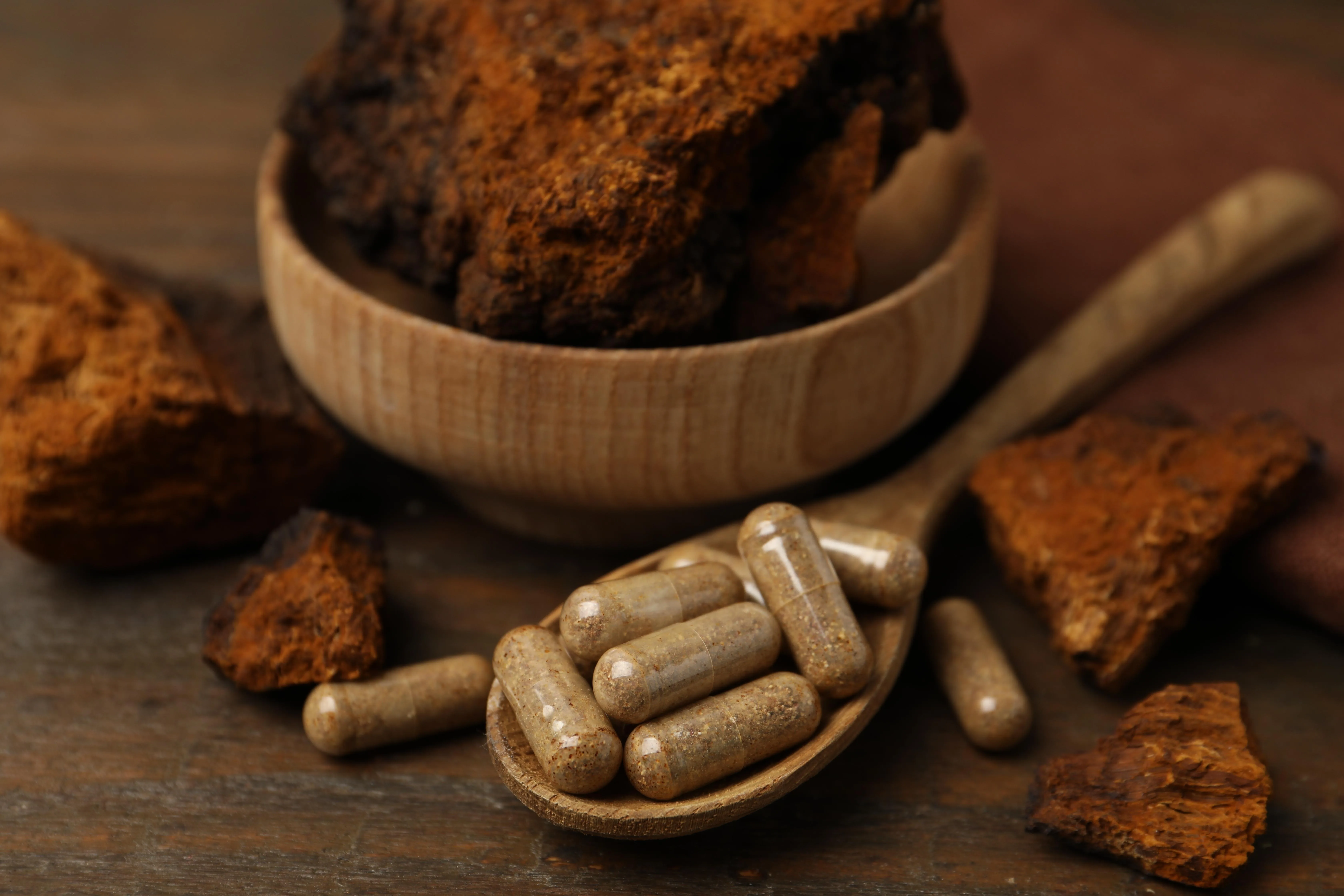
  • Cordyceps - a functional mushroom, used for centuries to support fertility in both men and women.
  • Immune system and antioxidant support including zinc, selenium and Vitamin C
  • Thyroid support including iodine and selenium. Thyroid health is inextricably linked to fertility.
  • Blood sugar stabilising nutrients chromium and inositol, are essential in helping to support hormone balance.
Pure Strength Omega 3 - An essential fatty acid of exceptional quality and purity, Pure Strength Omega 3 contains the optimal body preferred 2:1 ratio of 800mg EPA (Eicosapentaenoic Acid) and 400mg DHA (Docosahexaenoic Acid). Sourced from sustainable Alaskan Pollock, it has MSC certification and a TOTOX score of 5, the recommended TOTOX score is below 26 making it one of the cleanest products on the market. TOTOX is the scale that measures freshness and purity which is especially important in fertility, pregnancy and breastfeeding. Pregnancy When you have just found out you are pregnant, there might be excitement and/or fear. Coupled with physiological and hormonal changes, especially in the early weeks of pregnancy, getting the right nutrients in can make a real difference to how you experience your pregnancy. First Trimester 0-12 weeks Your uterus is growing and will be around the size of a grapefruit by the end of the 12 weeks and you may feel some pressure on your bladder causing more frequent urination. Nausea, often one of the first pregnancy symptoms a woman notices, is in part caused by rapidly elevating levels of human chorionic gonadotropin (hCG). This hormone will continue to rise throughout the first trimester then reduce between weeks 12-14. Common first trimester symptoms include: nausea, headaches, sore breasts and insomnia, which are all largely due to the fluctuating hormone levels at this stage of pregnancy. Important nutrients for this stage of pregnancy include: folate to prevent neural tube defects, Iodine for thyroid production as the first 14 weeks of life your baby doesn't have its own thyroid so will rely on maternal stores, and zinc, which contributes to healthy cell division which is occurring rapidly throughout the first trimester, as well as supporting white blood cell production for your baby's growing immune system. Second Trimester 13-27 weeks You may have come into a bit of a groove in your pregnancy as you enter the second trimester. Hopefully some of the fatigue and nausea are starting to pass and your hormones should be levelling out. Women often feel that their energy increases during this trimester. You will likely see gradual growth throughout the second trimester and you might notice you suddenly ‘look pregnant’ with a growing bump and breasts. The second trimester is all about finding a good balance with your pregnancy diet and hopefully, your appetite has returned and nausea has subsided. Focus on variety where possible and make sure you are getting good quality sources of protein, healthy fats, complex carbohydrates and a colourful array of different fruits and vegetables. Avoiding things like excess sugar and ultra processed foods are also important in pregnancy as they can disrupt energy levels. Third Trimester 28-40 weeks Often known as the trimester of ‘growth’, your baby can triple in size during this last trimester, growing from approximately a butternut squash to a watermelon Physically you may find things more challenging due to reduced energy levels or physical barriers. Remember to slow down in this trimester, as your body's natural instinct at this stage is to preserve and build energy stores for labour, healing and milk production. Progesterone levels increase up to 10 times higher than other trimesters in the final trimester and this promotes placental growth and breast tissue maturation to allow milk production. It also promotes relaxed feelings that are often experienced during pregnancy. Thyroid hormone production also increases by 50% by the third trimester. This is to help the development of the foetal brain and to provide sufficient thyroid support for the mother. Common symptoms include: heartburn due to the growth of the baby increasing pressure and hormonal changes which relax muscles, constipation due to the physical size of the baby, increased progesterone levels and insomnia often due to nighttime kicks and the baby pressing on the bladder. Important nutrients for this stage include:
  • Iron: Undoubtedly important across all trimesters, but especially during the last three months as your baby will accumulate 2mg of iron a day. From 0-6 months, your baby will rely on these stores for oxygen transportation and lean muscle development.
  • Omega 3: Essential fatty acids are important to include in your diet, especially during pregnancy. DHA (a type of omega 3) is important for normal brain and eye development of your baby. If you are not getting enough Omega in your diet or through supplementation, the baby will pull on the mother’s supply, depleting maternal stores in the brain.
  • Magnesium: A key nutrient for muscle contractions during labour and postpartum, it is also linked to healthy blood pressure levels.
  • Vitamin K: This is the time to ensure you have good levels before birth as Vitamin K is a key player in effective blood clotting which is important during both vaginal and caesarean delivery.
  • Protein: Requirements go up to 50g+ per day on average during this last trimester to support the growth of your baby and to build energy stores in preparation for labour. It’s also key for keeping blood sugar stable..
Doing everything you can to support your pregnancy through diet will help but as pregnancy is a time of such increased need, you want to be sure you are supporting both yourself and your baby. This is where taking some pregnancy specific supplements can really help. Wild Nutrition have supplements to support your individual pregnancy journey: Pregnancy+New Mother Multi: A comprehensive blend of vitamins and minerals, providing nutritional support for you and your baby through all trimesters of your pregnancy, including:
  • 400ug of the NHS recommended dose of folic acid, as naturally occurring folate for healthy foetal growth and development.
  • 400iu (10ug) Vitamin D is recommended for pregnancy. Vitamin D is vital to support healthy bones and immune system system development.
  • 10mg of iron to support iron levels, which can become easily depleted in pregnancy especially during the 3rd trimester as maternal blood volume rapidly increases
  • Thyroid supporting nutrients including iodine and selenium. The embryo relies on the mother’s thyroid for the first 14 weeks of pregnancy, so optimal thyroid function is key for normal development
  • Immune supporting nutrients including zinc and vitamin C
  • Bone supporting nutrients including calcium, magnesium, vitamin D and vitamin K for mother and baby
Pregnancy+New Mother Omega 3: In pregnancy higher amounts of DHA are needed to support your baby’s eye and brain development, and your health too. That is why this product was formulated with a higher DHA dose (500 DHA: 250 EPA) , to give you the optimal ratio of EPA to DHA specifically for pregnancy. Like their Pure Strength Omega 3 this product is also sourced from sustainable Alaskan Pollock, has MSC certification and a TOTOX score of 5, a reminder that the recommended TOTOX score is below 26 making it one of the cleanest products on the market. TOTOX is the scale that measures freshness and purity which is especially important in fertility, pregnancy and breastfeeding. Pregnancy+New Mother Biotic: There is a lot of evidence to say that the health of the mother’s microbiome directly impacts that of the baby’s. That is why supporting the mother’s microbiome is so key in pregnancy. Our Pregnancy+New Mother Biotic is a unique blend of four well researched probiotic strains for pregnancy and new motherhood. Specifically formulated to support both mother and baby throughout all four trimesters, it provides 30 billion CFU per daily dose. Wild Nutrition have supplements to support your individual postpartum journey: Postpartum Your body will have been depleted by pregnancy and labour, yet needs to be in peak physical condition for the challenge of nurturing an infant. It is therefore vitally important to keep providing your body with higher levels of nutrients to support recovery from labour and, if you choose to, making sure you have all the right nutrients for breastfeeding that result in both good quality breast milk supply and in you not feeling depleted. The products we would recommend at this stage include: Breastfeeding Support- Formulated for mother and baby to support at a nutritionally demanding time. Energy-maintaining Vitamin B12 sits alongside cognition-supporting Iron and traditional breastfeeding botanicals Fenugreek and Stinging Nettle. You can start using this as soon as you have given birth. Your body will always prioritise the production and quality of breastmilk for the baby and if there isn’t adequate nutrients available your body will pull from your stores. This is why it’s so important to keep your nutrient levels up, for both yourself and your baby. Continue taking the Pregnancy+New Mother Multi, whether you choose to breastfeed or not. If you don’t breastfeed it will aid in postpartum recovery and can be taken for the first 12 weeks after birth, otherwise known as the 4th trimester. If you are breastfeeding this product can be taken alongside the Breastfeeding Support to aid recovery for the first 12 weeks and then to continue to support nutrient levels for breastfeeding after that. Carrying on with Pregnancy+New Mother Omega 3 is also important postpartum if breastfeeding, as Omega 3 fats are an important component of breast milk. If you are not breastfeeding move back to the Pure Strength Omega 3. They will also help to support mother and baby after birth. Shop Wild Nutrition at Healthy U From preconception to postpartum, support your journey with Wild Nutrition’s expertly formulated supplements. Available in-store and online at Healthy U.