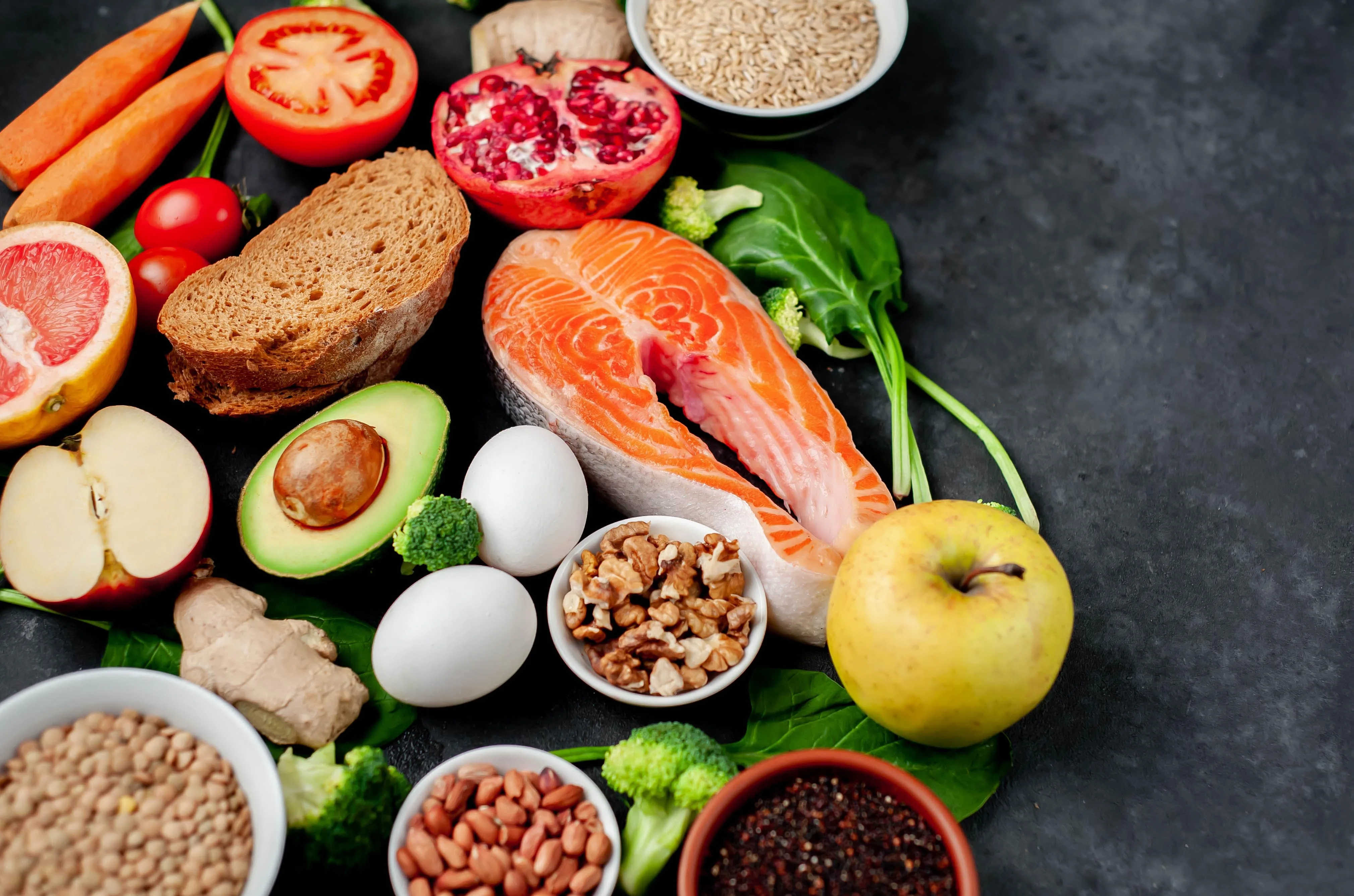

In today's fast-paced world, maintaining a balanced mood and sustained energy can be a challenge. Fortunately, science has revealed a powerful secret: what you eat directly impacts how you feel. The foods you consume can enhance brain function, stabilise mood, and keep stress at bay. In this blog, we’ll explore mood-boosting nutrients and practical dietary strategies to support emotional well-being.
The Science Behind Mood and Nutrition
Your mood is intricately linked to brain chemistry, and certain nutrients play a crucial role in neurotransmitter production. Serotonin, the "feel-good" neurotransmitter, helps regulate emotions, and it relies on nutrients like tryptophan and omega-3 fatty acids to function optimally. Additionally, maintaining stable blood sugar levels is essential for preventing energy crashes and mood swings.
Key Mood-Boosting Nutrients
1. Tryptophan – The Serotonin Booster
Tryptophan is an amino acid necessary for serotonin production. To naturally boost serotonin levels: Eat foods rich in tryptophan, such as turkey, chicken, cheese, beans, tofu, oats, and eggs. Pair tryptophan-rich foods with complex carbohydrates (like oats or whole grains) to enhance absorption.
2. Omega-3 Fatty Acids – Brain Fuel
Omega-3 fats are crucial for brain function, reducing inflammation, and supporting emotional stability. Studies show omega-3s may help combat depression. Consume omega-3-rich oily fish such as salmon, mackerel, sardines, herring, and trout two to three times a week. Add flaxseeds, chia seeds, walnuts, and hemp seeds to your diet for additional omega-3 support.
3. Blood Sugar Balance – The Foundation of Stable Moods
Rapid fluctuations in blood sugar can lead to mood swings and fatigue. Keeping blood sugar steady is essential for overall well-being. Follow a low glycemic load (GL) diet that includes fibre-rich whole foods like vegetables, legumes, and whole grains. Avoid refined sugar found in biscuits, cakes, sugary snacks, and processed foods with hidden sugars (syrups, dextrose, maltose). Reduce consumption of stimulants such as caffeine, alcohol, and cigarettes, which can disrupt mood regulation.
4. Chocolate – The Delicious Mood Lifter
Chocolate —especially dark chocolate—contains compounds that can naturally enhance mood and brain function. Here's why chocolate deserves a place in your happiness diet: Rich in antioxidants – Helps reduce oxidative stress and inflammation, which supports brain health. Contains serotonin precursors – Dark chocolate is packed with tryptophan, the amino acid needed for serotonin production. Boosts endorphins – The pleasure of eating chocolate triggers the release of endorphins, which are responsible for feelings of joy. Provides magnesium – Magnesium helps reduce stress and anxiety, making chocolate a comforting snack in times of tension.
5. Essential Brain-Friendly Supplements
In addition to a nutrient-rich diet, supplements can enhance mood stability and energy levels:
- Adaptogens (Ashwagandha, Lion’s mane, Tulsi, Rhodiola) – Helps the body cope with stress.
- B Vitamins – Crucial for energy production and mental clarity.
- Omega-3 Supplements – Beneficial for those who don’t consume enough fish.
- Probiotics – Supports gut health, which is closely linked to mental health.
- Magnesium – A natural muscle relaxant that can ease anxiety.
- Amino Acids (L-tryptophan, L-theanine) – Supports relaxation and positive mood.