
By Jadwell Muguro - Nutritionist at Healthy U
1. What is Movember and why is Healthy U supporting the cause?
Movember the month formerly known as November is when courageous and self-denying men around the world grow a moustache. Movember is the leading charity changing the face of men’s health on a global scale, focusing on mental health, suicide prevention, prostate cancer and testicular cancer. Healthy U being the leading pioneers in health and wellness across Africa, we give celebrate with the men this month. Being the leading pillars in the family system, we believe that the men should be supported through out this season be it financially, mentally as well as emotionally.
2. What are the most important supplements to support Men’s health, particularly prostate cancer and testicular cancer?
Cancer starts when cells in the body begin to grow out of control. Cells in nearly any part of the body can become cancer cells and can then spread to other areas of the body.
With a good lifestyle behaviour in combination with several supplements, we can reduce most of the cancerous cases in men. Some of the supplements include:
-
- Coenzyme Q10 plus Coenzyme A (90mg) daily – These aids in cellular oxygenation. With the combination of Coenzyme A, it supports the immune system’s detoxification of many dangerous substances.
- Colostrum- Promotes accelerated healing and boosts the immune system
- Garlic (Kyolic from wakunaga0- 2 capsules 3 times daily) - Helps to break down testosterone. Has been shown to slow cancer cell growth
- Inositol-has powerful anti-cancer properties, possesses natural killer cell activity
- Selenium (200mcg daily) - powerful radical scavenger and a protector against cancer
- Melatonin 2-3 mg daily -a powerful antioxidant that aids in sleep
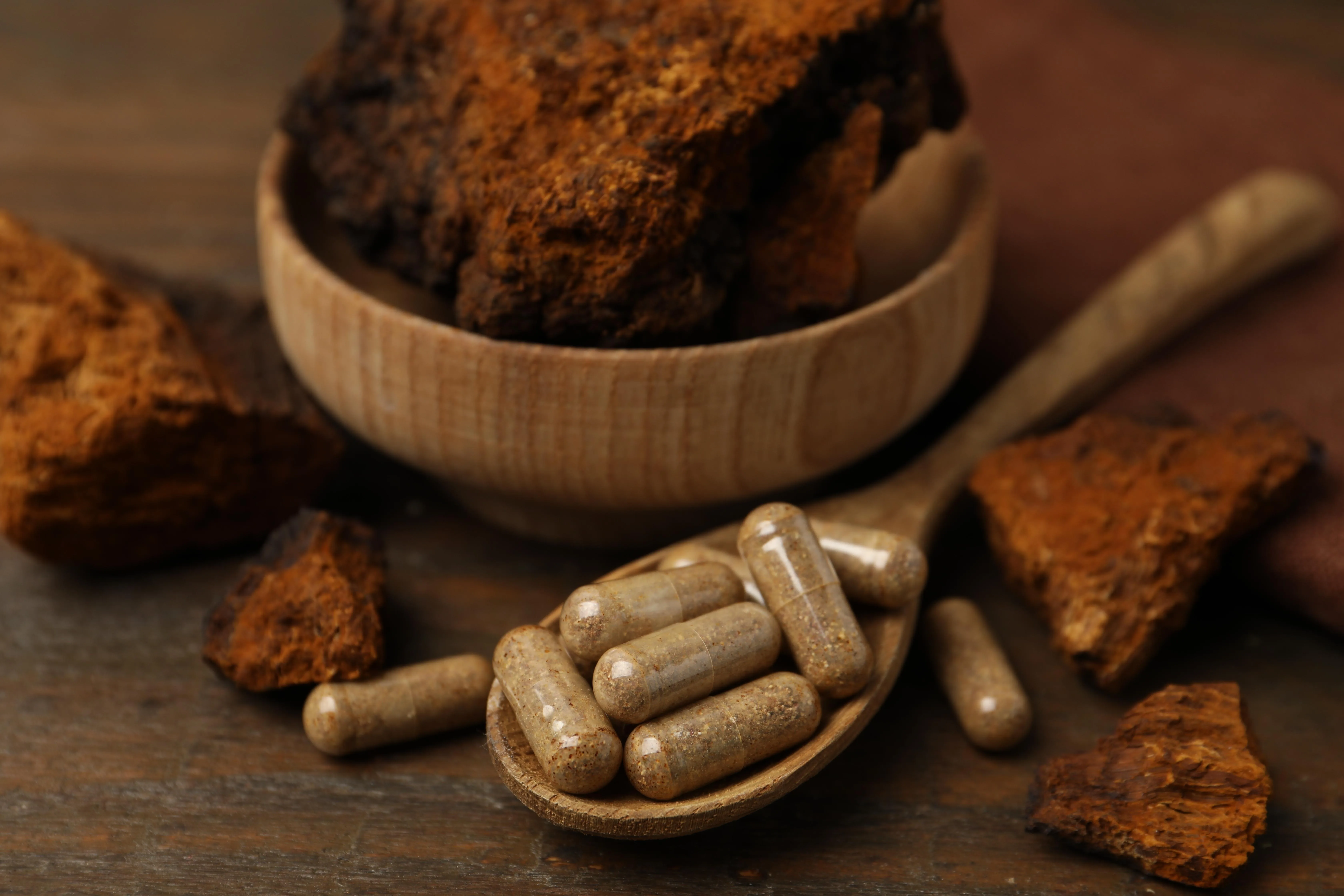
- Maitake extract 4-8grams daily -inhibits the growth and spread of cancerous tumours.
-
- Eat enough protein at every meal. Not only does protein provide essential amino acids that your body can’t make on its own, but your body also needs it to produce protein-derived hormones — also known as peptide hormones. For example, protein intake influences hormones that control appetite and food intake, communicating information about energy status to your brain
- Engage in regular exercise. Physical activity strongly influences hormonal health. Aside from improving blood flow to your muscles, exercise increases hormone receptor sensitivity, meaning that it enhances the delivery of nutrients and hormone signals. A major benefit of exerciseis its ability to reduce insulin levels and increase insulin sensitivity
-
- Maintain a moderate weight. Weight gain is directly associated with hormonal imbalances that may lead to complications in insulin sensitivity and reproductive health. Obesity is strongly related to lower levels of the reproductive hormone testosterone in men and contributes to a lack of ovulation in women, both of which are common causes of infertility
- Lower your sugar intake. Minimizing added sugar intake may be instrumental in optimizing hormone function and avoiding obesity, diabetes, and other diseases.
- Try stress reduction techniques. Stress harms your hormones in several ways. The hormone cortisol is known as the stress hormone because it helps your body cope with long-term stress. Your body’s response to stress activates a cascade of events that leads to cortisol production. Once the stressor has passed, the response ends. However, chronic stress impairs the feedback mechanisms that return your hormonal systems to normal,stress reduction techniques such as meditation, yoga, and listening to relaxing music
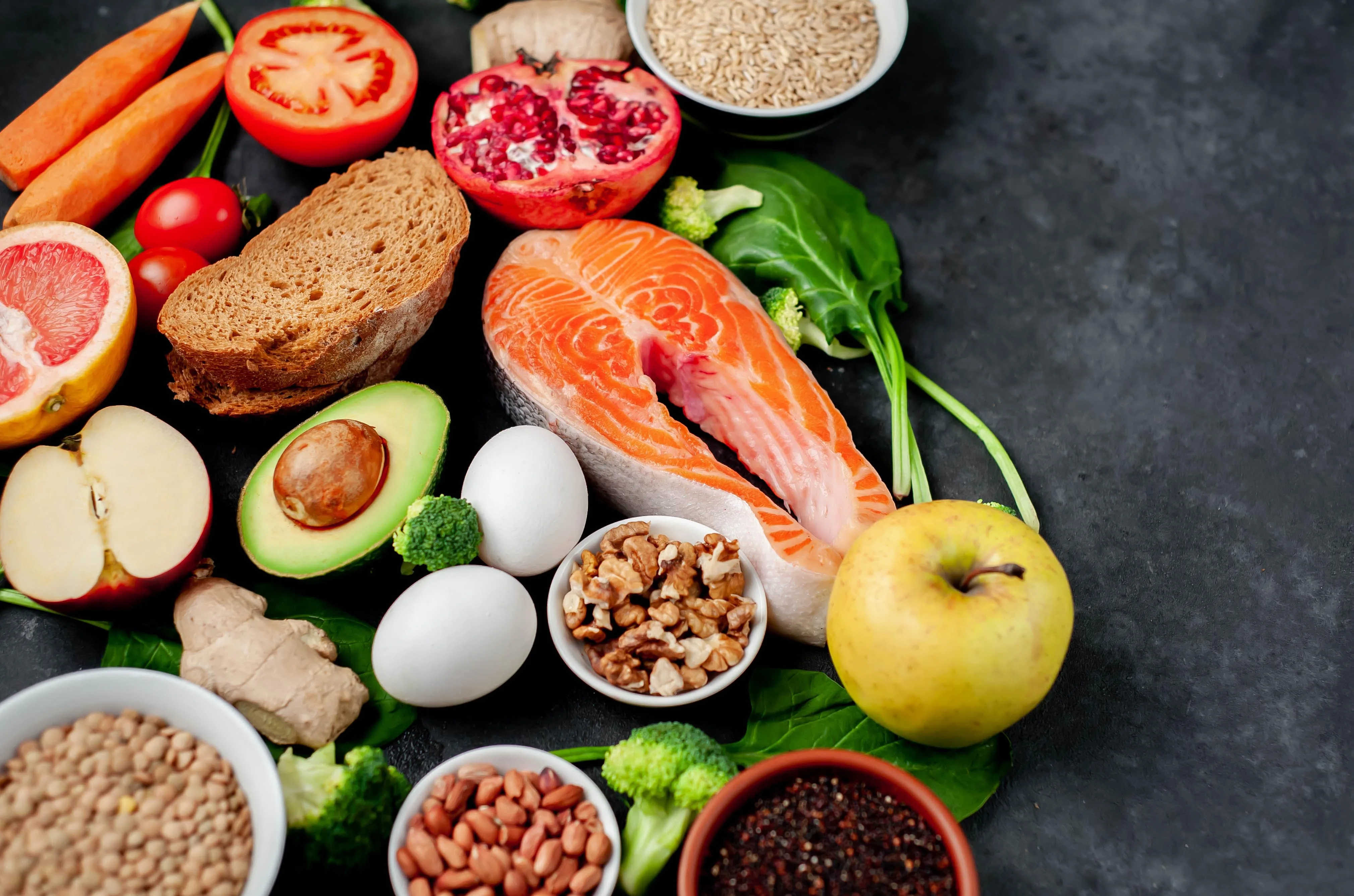
- Consume healthy fats. These healthy fats are found in pure MCT oil, avocados, almonds, peanuts, macadamia nuts, hazelnuts, fatty fish, and olive and coconut oils. Healthy fats such as omega-3s help increase insulin sensitivity by reducing inflammation and pro-inflammatory markers
- Follow a high fiber diet. Fiber is one of the main reasons whole plant foods are good for you. Growing evidence shows that adequate fiber intake may benefit your digestion and reduce your risk of chronic disease.
-
- Get more physical activity. If you’re currently inactive, start with gentle activities such as walking or biking. Choosing an activity that you enjoy may help increase your chances of sticking to it in the long term.
- Follow a healthy diet. Your diet affects every aspect of your health, including your mental health. Plus, not eating enough nutrient-dense whole foods may increase your risk of deficiencies in nutrients that are essential for regulating stress and mood, such as magnesium and B vitamins Minimizing your intake of highly processed foods and beverages and eating more whole foods such as vegetables, fruits, beans, fish, nuts, and seeds can help ensure that your body is properly nourished. In turn, this may improve your resilience to stress.
- Minimize phone use and screen time. Smartphones, computers, and tablets are an unavoidable part of everyday life for many people. A number of studies have linked excessive smartphone use and “iPhone addiction” with increased levels of stress and mental health disorders
- Consider supplements. Several vitamins and minerals play an important role in your body’s stress response and mood regulation. As such, a deficiency in one or more nutrients may affect your mental health and ability to cope with stress. For example, when you’re chronically stressed, your magnesium levels may become depleted.
- Practice self-care. Setting aside time to practice self-care may help reduce your stress levels. Practical examples include: Going for a walk, taking a bath, lighting candles, reading a good book, exercising, preparing a healthy meal,stretching before bed, getting a massage, practicing a hobby, using a diffuser with calming scents and practicing yoga
- Spend time with friends and family. Social support from friends and family may help you get through stressful times and cope with stress.
-
- Avoiding Sugar and Refined Snacks
- Getting Enough Sleep
- Stay Hydrated
- Eating a Clean Diet
- Getting Your Workout In
- Cutting Back on Alcohol
- Reach for the Dairy