If you’ve wandered through the health aisle or browsed wellness TikTok recently, you’ve probably seen psyllium husk popping up everywhere—from baking recipes to gut?health routines. But what exactly is it, and how does it fit into a balanced approach t...
1 min Read|by huadmin
If you’ve wandered through the health aisle or browsed wellness TikTok recently, you’ve probably seen psyllium husk popping up everywhere—from baking recipes to gut?health routines. But what exactly is it, and how does it fit into a balanced approach to digestive health? Here’s a simple, evidence-based breakdown. What is psyllium husk? Psyllium husk is a natural fibre supplement made from the outer coating of the seeds of Plantago ovata, a plant traditionally grown in India and the Middle East. Unlike many modern “functional fibres,” psyllium is not synthetic or isolated in a lab—it is a concentrated source of soluble fibre. When mixed with water, it forms a thick gel (you can actually see it swell in a glass), which is why it’s sometimes used in recipes as an egg replacer or to add texture. How psyllium supports digestive health Psyllium husk’s gel-forming ability is what gives it its most recognised benefits:
  1. Helps support regular bowel movements
The soluble fibre absorbs water and increases stool bulk, supporting comfortable, regular movements. Interestingly, studies show psyllium can help with both constipation and loose stools, making it a useful balance-restoring supplement for many people.
  1. Supports feelings of fullness
Because it swells in the stomach, psyllium may help slow digestion slightly and increase satiety, which some people find helpful for appetite regulation.
  1. Helps manage post-meal blood sugar response
A number of clinical studies have shown that soluble fibres such as psyllium can help reduce the rise in blood glucose after meals by slowing carbohydrate absorption.
  1. Supports healthy cholesterol levels
The gel binds to bile acids in the gut, helping the body excrete them. This process may contribute to reductions in LDL (“bad”) cholesterol when used consistently. What psyllium does not do This part is often missed online. Psyllium is a useful functional supplement, but it doesn’t replace a varied, fibre?rich diet. It does not:
  • provide antioxidant polyphenols
  • offer a diversity of plant fibres
  • feed the gut microbiome in the way whole foods do
  • supply vitamins, minerals, or phytonutrients
  • tighten gut lining junctions or lower inflammation directly
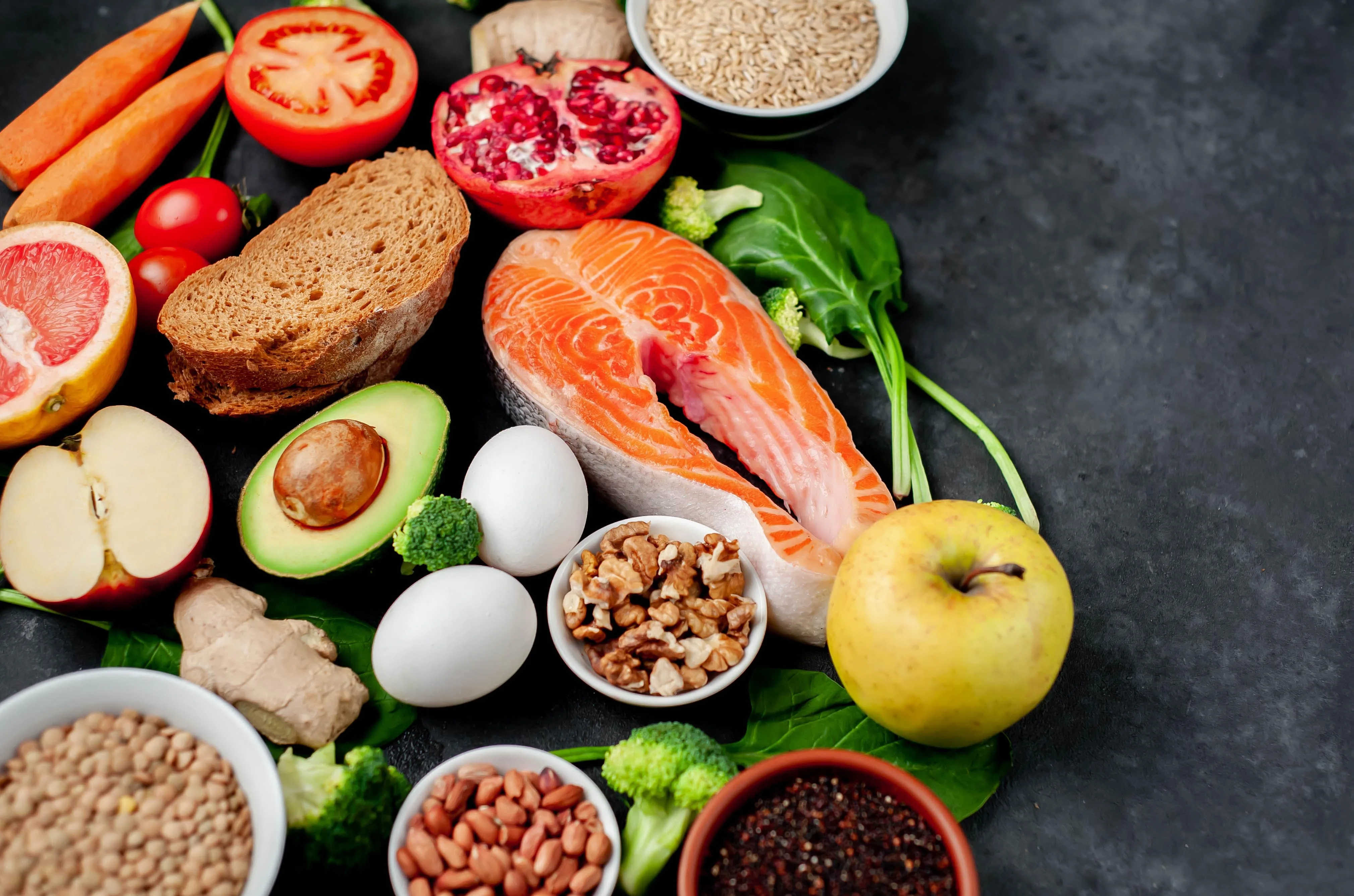
Psyllium is one single fibre type, whereas the gut thrives on diversity—think oats, beans, lentils, vegetables, nuts, seeds, herbs, fruits. In other words: psyllium can support digestion, but only whole plant foods can nourish the gut ecosystem. How to use psyllium husk safely
  • Start low: ½–1 teaspoon per day
  • Drink plenty of water: psyllium absorbs a lot of fluid
  • Increase gradually to avoid bloating
  • Take it away from medications unless advised otherwise (it can slow absorption)
For many people, it works best as a top-up before considering laxatives or medication. The bottom line Psyllium can be a great addition for digestive comfort, cholesterol management, and balanced blood sugar—but it isn’t a shortcut to gut health. Think of it as a helping hand, not a replacement for the colourful, diverse plants your microbiome loves. If you’d like to explore psyllium, you can find it under Healthy U’s fibre and gut-support range here: https://www.healthyu.co.ke/product/naturalli-psyllium-husk-100g/ Sources: European Journal of Clinical Nutrition, 2020 meta-analysis NHS guidance on soluble fibre