
Endometriosis silently affects one in ten women, often leading them through a frustrating journey of misdiagnoses and misunderstood pain. Despite its prevalence, endometriosis remains a condition clouded in mystery, with limited treatment options available. However, amidst this complexity, emerging research sheds light on the potential of nutrition to alleviate symptoms and improve quality of life for those with endometriosis. This March in honour of Endometriosis Awareness Month we delve into the intricacies of endometriosis and uncover how nutritional interventions can play a pivotal role in managing its symptoms.
Understanding Endometriosis
Endometriosis manifests when tissue resembling the uterine lining grows beyond the womb, commonly on the external surface of the uterus, the ovaries, fallopian tubes, abdominal wall or intestines. The precise cause remains elusive, with several theories proposed to explain its origins. Symptoms vary but often encompass pelvic pain, abnormal menstrual bleeding, painful urination or bowel movements, fatigue, bloating, constipation, painful intercourse and fertility complications. The psychological toll, including anxiety and depression, further compounds the challenges faced by individuals with endometriosis.
Nutrition and Endometriosis
Nutrition emerges as a potential ally in managing endometriosis symptoms by influencing estrogen levels and mitigating inflammation. While research on this connection is ongoing, preliminary studies indicate promising outcomes for nutritional interventions in alleviating pain and discomfort associated with endometriosis. Certain foods can exacerbate inflammation, worsening symptoms, while others possess anti-inflammatory properties that may alleviate discomfort and improve overall quality of life.
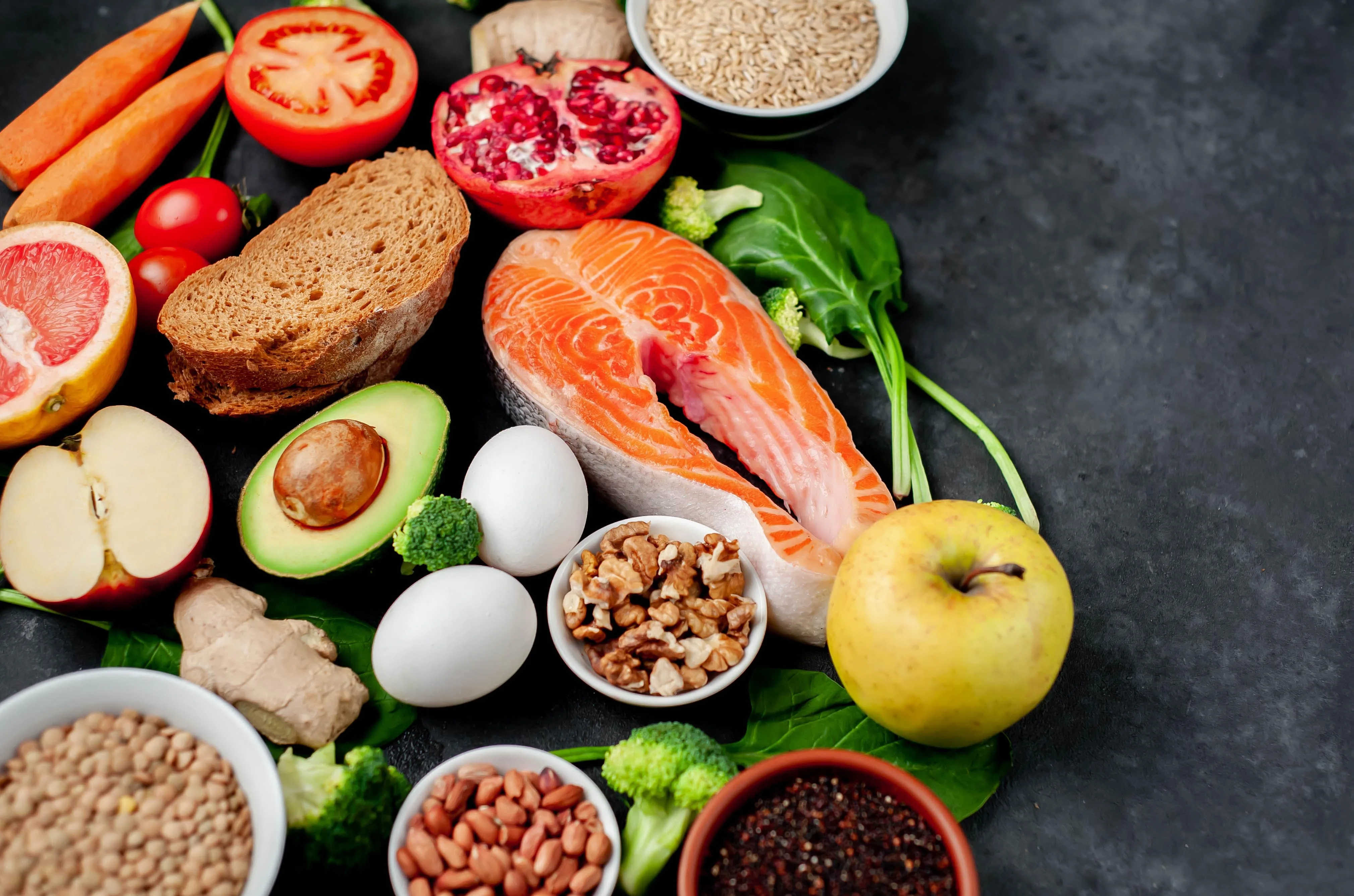
Omega-3 fatty acids demonstrate a protective effect, with higher intake associated with reduced risk of endometriosis. Sources such as fatty fish, flax seeds, and chia seeds offer valuable omega-3 supplementation. Vitamin D deficiency correlates with increased endometriosis risk and symptom severity highlighting the importance of adequate sun exposure, intake through diet or supplementation. Magnesium, abundant in leafy greens, nuts, and seeds (especially almond and pumpkins), holds promise in pain management and
mood regulation, both significant aspects of endometriosis symptomatology. Antioxidants found in berries combat oxidative stress and antioxidant vitamins have been shown to alleviate symptoms such as dysmenorrhea and pelvic pain. Fibre-rich foods aid in estrogen metabolism and promote regular bowel movements, essential for hormone balance and symptom control.
Foods to limit or avoid, and foods to include in your diet
Certain dietary components exacerbate endometriosis symptoms and warrant restriction, including red meats, high-fat dairy, refined sugars, and caffeine. These foods can trigger inflammatory responses and hormonal imbalances, worsening discomfort and pain.
Emphasize the intake of whole foods abundant in omega-3 fatty acids, fibre, vitamins including Vitamin D, minerals including magnesium, and antioxidants. Stay vigilant about hidden inflammatory ingredients lurking in processed foods by reading food labels. Opt for minimally processed alternatives to minimize exposure to these triggers, and limit your intake of red meat to a maximum of three portions per week.
Tools to implement a nutrient-rich diet
Start prioritising meal planning. It’s a great tool to help you integrate nutritional meals into your daily life. It not only helps you stay on track with your eating but takes away some of the stress associated with putting together impromptu or ad hoc meals.
Seek personalised guidance and support through a dietitian or nutritionist. They can tailor dietary recommendations to suit your unique needs and preferences, helping you optimise symptom management and enhance your overall well-being.
In addition to dietary modifications, adopting lifestyle practices such as stress management, regular exercise, and adequate sleep can complement nutritional strategies in managing endometriosis symptoms.
Endometriosis poses a multifaceted challenge to women's health, but with informed dietary choices and holistic lifestyle approaches, its impact can be mitigated. Let us navigate this journey together, empowering women to prioritize their vitality and resilience in the face of endometriosis. Remember, consultation with healthcare professionals remains paramount in crafting personalised strategies for managing this complex condition. Together, we can nourish wellness and pave the path towards a brighter, pain-free future for those affected by endometriosis.
Endometriosis silently affects one in ten women, often leading them through a frustrating journey of misdiagnoses and misunderstood pain. Despite its prevalence, endometriosis remains a condition clouded in mystery, with limited treatment options avail...