
Gut health has become a wellness buzzword. From powders to cleanses, the promise of a “reset” for your digestion seems to pop up everywhere. In some cases, there are methods that can temporarily “reset” the gut, but unless they’re followed by healthy eating and lifestyle habits, the effects won’t last. A healthy gut doesn’t come from a single product or a week-long plan—it’s the result of small, consistent choices that slowly but surely reshape your inner ecosystem.
Making your number twos a number one priority might be one of the smartest health moves you can make. Your gut is home to trillions of microbes—bacteria, fungi, and even viruses—known collectively as the gut microbiome. The balance and diversity of these microbes matter more than you might think. They support digestion, regulate metabolism, help your immune system, and even influence your mood. Around 70% of the immune system is located in the gut, so when your microbiome is thriving, the rest of you benefits too.
Why there’s no quick fix
The idea of a quick gut “reset” is appealing, but it doesn’t match how the microbiome works. These trillions of microbes aren’t a single organ you can cleanse—they’re a living, ever-shifting ecosystem. Just like a forest or a coral reef, stability and resilience depend on balance and biodiversity. When that balance is disrupted by antibiotics, or by longer-term patterns of stress, alcohol use, and ultra-processed food, it takes time to rebuild.
Research shows that your microbiome can respond to dietary changes within a few days, but these shifts are often small and short-lived. Long-term improvements—like greater microbial diversity or a stronger population of “good” bacteria—require weeks, months, and even years of repeated exposure to the right foods and habits. That’s why no single supplement, cleanse, or superfood can transform your gut. The real change comes from sustained patterns.
What really helps your gut thrive
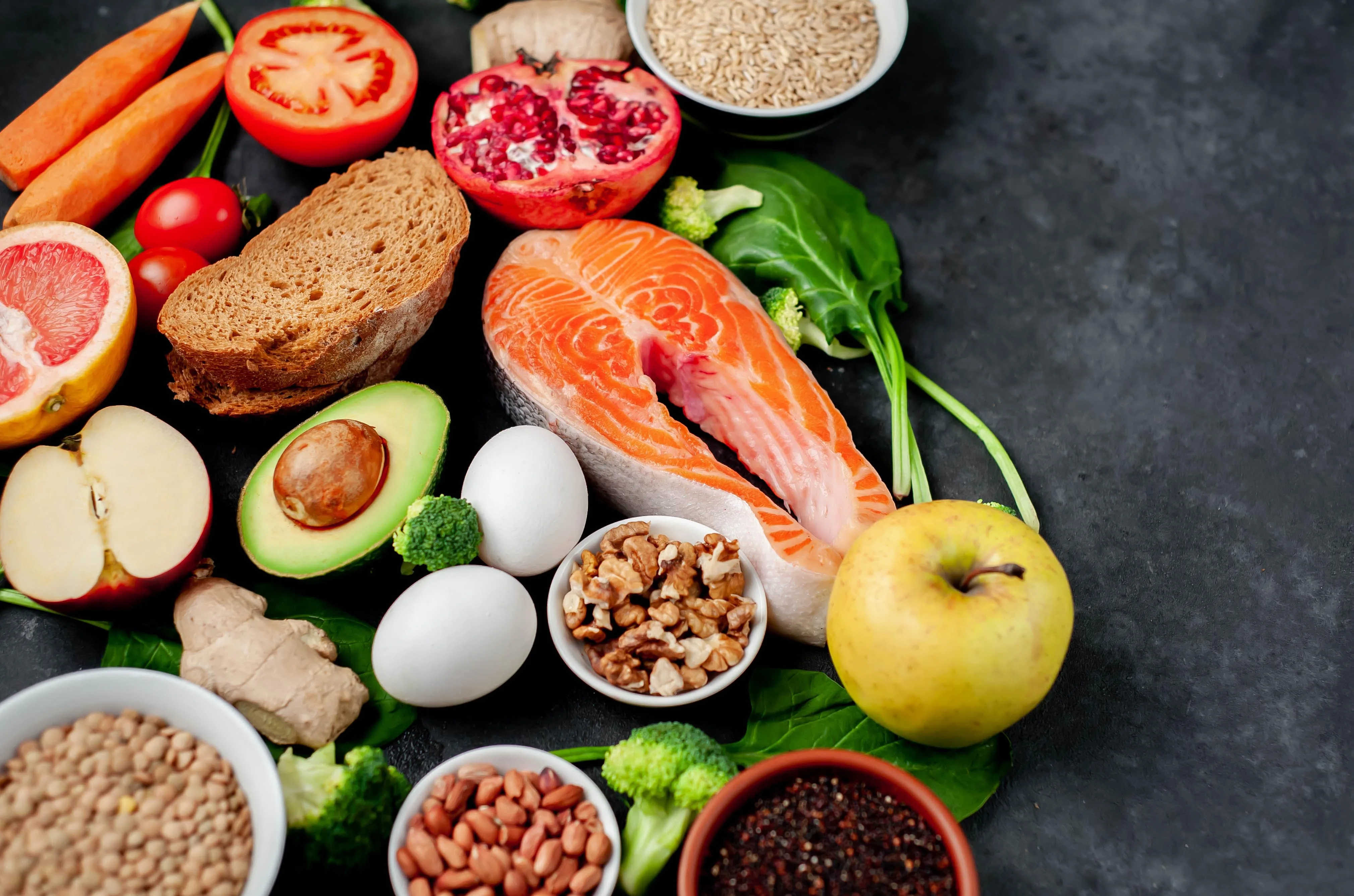
So what does that look like in practice? Variety is key. People with the healthiest guts tend to eat a wide range of plant foods—fruits, vegetables, nuts, seeds, legumes, and whole grains. These provide fibre and natural compounds such as polyphenols, which act as fuel for “good” microbes. Some of these foods are especially rich in prebiotic fibres, like beans, lentils, onions, garlic, and whole grains, which give your gut bacteria the fuel they thrive on. Probiotic foods—such as yoghurt, kefir, kimchi, and sauerkraut—add live cultures that can enrich diversity. Together, they help beneficial bacteria establish themselves and thrive.
A healthy gut also benefits from how you live, not just what you eat. Getting good sleep supports microbial diversity and allows your gut lining and microbes to carry out their natural repair and reset processes overnight. Regular exercise, even at a gentle pace, helps maintain microbial balance and is linked to greater diversity. Finding ways to ease stress, limiting alcohol, and steering clear of smoking all make a big difference, too. And don’t underestimate the power of the outdoors: every time you’re in nature, you’re exposed to a wider range of microbes that can strengthen your gut ecosystem.
The long game
It can be tempting to look for dramatic results, especially if you’ve been stress eating or relying on convenience foods. A cleanse might offer a starting point, but it’s about the consistency that comes afterwards. Adding an extra serving of vegetables, swapping refined grains for whole ones, or slowly introducing more legumes and nuts into your meals are choices that, over weeks and months, add up to a healthier, more balanced microbiome.
After all, you’re not just feeding yourself—you’re hosting trillions of tiny dinner guests who repay you with good health.
Gut health has become a wellness buzzword. From powders to cleanses, the promise of a “reset” for your digestion seems to pop up everywhere. In some cases, there are methods that can temporarily “reset” the gut, but unless they’re followed by healthy e...